
Understanding the Hidden Dangers in Your Home
When it comes to protecting your family, some of the biggest threats aren’t always visible to the naked eye. Mold risks in homes represent one of these silent dangers that can affect your health long before you even realize there’s a problem.
Mold is actually a type of fungus that plays an important role in nature, breaking down leaves, wood, and other plant debris. But when it finds its way indoors, it’s a different story. Mold reproduces through tiny spores that float through the air, landing on damp surfaces where they can quickly establish new colonies. The concerning part? These unwelcome houseguests can begin growing within just 24-48 hours of water exposure.
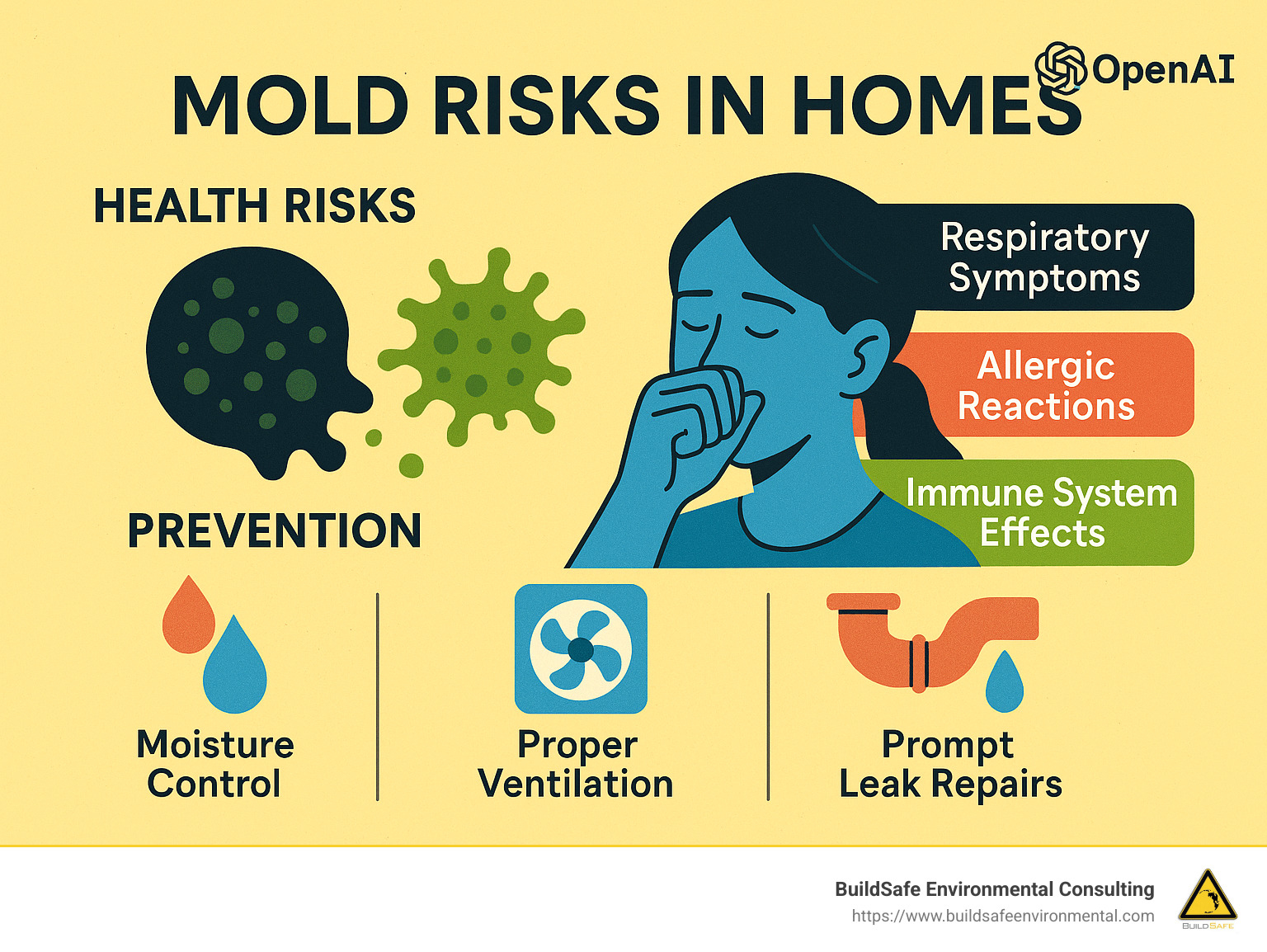
What makes indoor mold particularly troublesome is how it impacts our health. Respiratory issues like coughing, wheezing, and even asthma attacks can be triggered by mold exposure. Many people experience allergic reactions including sneezing, runny nose, and itchy eyes when mold spores are present. Some molds even produce mycotoxins that can cause more serious health effects with prolonged exposure.
Not everyone reacts to mold in the same way. Children, elderly individuals, and people with compromised immune systems face significantly greater risks when exposed to household mold. Their bodies simply don’t have the same defenses to ward off the negative effects.
“The key to mold control is moisture control,” states the Environmental Protection Agency, highlighting what we at BuildSafe Environmental Consulting emphasize to all our Colorado clients. Keeping indoor humidity below 50% dramatically reduces the likelihood of mold growth in your home.
The statistics paint a concerning picture. Approximately one in six homes contains some form of mold growth, while public buildings average 14 instances of mold per structure. What’s even more troubling is that mold often hides in places you can’t easily see—behind walls, under carpets, or in crawl spaces where moisture problems exist. That musty, earthy smell is frequently your first clue that something’s wrong, appearing before any visible signs.
I’m Craig Luckey from BuildSafe Environmental Consulting, and I’ve spent years helping homeowners identify and address mold risks in homes. My experience has shown that early detection combined with proper moisture control provides the most effective protection for your family’s health. By understanding these hidden dangers, you’re already taking the first step toward a healthier home environment.
Understanding Mold & Its Indoor Life Cycle

Ever wonder how something so tiny can cause such big problems in your home? Mold might be doing its job perfectly in the forest, but when it decides to move into your bathroom or basement, it quickly becomes an unwelcome houseguest. Let’s unpack how these fascinating but troublesome organisms work, and why understanding them is your first defense against mold risks in homes.
What Is Mold? Fungi Basics and Growth Conditions
Mold is essentially nature’s recycling system gone rogue indoors. Unlike the plants in your garden, mold doesn’t make its own food through photosynthesis. Instead, it works more like a microscopic decomposer, breaking down organic materials by releasing enzymes that turn your home’s materials into its next meal.
These fungi are remarkably adaptable creatures. They thrive in temperatures between 40–100°F, which unfortunately means they feel right at home in the same comfortable environments we create for ourselves. What mold really needs to flourish is a good meal (any organic material like wood, paper, or even dust), a drink (moisture from leaks or high humidity), some fresh air (oxygen), and a comfortable temperature.
The New York State Department of Health puts it simply: “Molds, like most fungi, break down plant and animal matter in the environment.” That’s fantastic when they’re decomposing fallen trees in the forest – not so great when they’re decomposing your drywall.
Why Does Mold Grow in Houses Within 24–48 Hours
Here’s the part that catches many homeowners off guard – mold is incredibly quick to establish itself. According to both the EPA and CDC, mold can begin growing within just 24–48 hours after water exposure. This rapid colonization is why that small water leak you’ve been meaning to fix shouldn’t wait until next weekend.
In my years of inspecting Colorado homes, I’ve seen countless situations where homeowners were shocked by how quickly mold appeared. One particularly memorable case involved a Fort Collins family who experienced a minor roof leak during a spring storm. They assumed our dry Colorado climate would take care of the moisture naturally. Three weeks later, they called us about a mysterious musty smell, only to find a thriving mold colony had developed in their attic insulation.
The most common scenarios that roll out the welcome mat for mold include:
Plumbing problems like that slow drip under your kitchen sink, roof leaks during our Colorado thunderstorms, flooding events from natural disasters or appliance failures, and poor ventilation in moisture-heavy rooms like bathrooms and laundry areas. Even condensation on cold surfaces and high indoor humidity levels above 60% can create perfect mold-growing conditions without any visible water present.
Our unique Colorado climate presents special challenges. While our naturally dry air does provide some protection against mold risks in homes, it can also create a false sense of security. When water intrusion does occur, many homeowners don’t recognize the urgency of thoroughly drying affected materials, which can lead to surprising mold findies weeks later.
The science is clear on this point – controlling moisture is the single most effective way to prevent mold growth. As the EPA notes in their guide to mold, moisture, and your home, keeping indoor humidity below 60% (ideally between 30-50%) significantly reduces the risk of mold establishing colonies in your home.
Those tiny mold spores are always floating around us – they’re just waiting for the right conditions to settle down and start a family. By understanding how mold grows and what it needs to thrive, you’re already one step ahead in keeping your home healthy and mold-free.
Mold Risks in Homes: Health Effects and Vulnerable Groups
When it comes to your family’s health, the hidden dangers of mold shouldn’t be overlooked. Mold risks in homes go far beyond unsightly stains on your walls—they can create serious health concerns that affect your quality of life, especially for certain members of your household.
Acute and Chronic Symptoms of Mold Exposure
Mold affects our bodies through three main types of compounds it produces. First, there are allergens—proteins that trigger immune responses similar to pollen allergies. Then there are irritants that inflame tissues they come into contact with. Most concerning are mycotoxins—potentially toxic compounds produced by certain mold species when they feel threatened.
When you’re exposed to these substances—whether breathing them in, touching them, or accidentally ingesting them—your body can react in various ways. In the short term, you might experience sneezing fits, a stuffy nose, or persistent coughing. Your eyes might become red, watery, and itchy, especially when you’re in affected areas of your home. Skin rashes can appear after contact with moldy surfaces, and those nagging headaches and unusual fatigue you’ve been experiencing? They could be your body’s response to mold.
For people with asthma, mold exposure often triggers flare-ups that make breathing even more difficult than usual. But what happens when exposure continues for months or years? The effects can become more serious and lasting. Your sinuses might remain perpetually inflamed, and respiratory problems can become a constant companion. Some people without previous breathing issues may even develop asthma after long-term exposure.
One of our Denver clients put it perfectly: “For months, I had a persistent cough and constant headaches. I tried everything from allergy medications to air purifiers. It wasn’t until BuildSafe found hidden mold behind my kitchen cabinets that I realized what was causing my symptoms. Within weeks of remediation, my health improved dramatically.”
Who Is Most at Risk: Children, Elderly, Immunocompromised
While mold can affect anyone, certain groups face significantly higher mold risks in homes. Children are particularly vulnerable because their immune systems and respiratory tracts are still developing. Research has linked childhood mold exposure to the development of asthma and other breathing conditions that can persist throughout life.
Our elderly loved ones also face heightened risks. As we age, our immune systems naturally become less robust, making it harder to fight off the effects of mold allergens. For seniors with pre-existing health conditions, mold exposure can worsen their symptoms and overall health.
Those with compromised immune systems need to be especially cautious. This includes people undergoing chemotherapy, transplant recipients, individuals with HIV/AIDS, and anyone taking medications that suppress immune function. For these individuals, mold exposure isn’t just about allergic reactions—it can potentially lead to serious infections as their bodies struggle to defend against invading mold spores.
If you or a family member already has asthma, COPD, or another respiratory condition, mold in your home can make breathing even more difficult. Pregnant women should also be careful, as some studies suggest potential risks to developing babies from prolonged maternal mold exposure.
People with genetic tendencies toward allergies—the medical term is “atopic individuals”—react more strongly to mold. This includes about 6-10% of the general population, but jumps to 15-50% among those with atopic conditions like eczema or hay fever.
Even our furry family members aren’t immune. Pets can suffer from respiratory distress and allergic reactions when exposed to household mold, sometimes showing symptoms before humans do.
Is Black Mold Really More Dangerous?
The term “black mold” often triggers fear, but the reality isn’t as straightforward as many think. Stachybotrys chartarum, commonly called black mold, is just one of many mold species that can appear dark in color.
“Black is a color, not a type. The CDC states that there is no one type of mold more dangerous than another.”
This misconception leads many homeowners to panic about dark-colored molds while potentially ignoring equally problematic lighter-colored species. Here’s how black mold compares to other common household molds:
| Mold Type | Appearance | Common Locations | Potential Health Effects |
|---|---|---|---|
| Stachybotrys chartarum (“Black Mold”) | Dark green or black, slimy texture | Water-damaged materials with high cellulose content (drywall, paper, wood) | Allergens, irritants, mycotoxins |
| Cladosporium | Olive green to brown or black, powder-like texture | Fabrics, wood surfaces, HVAC systems | Allergens, potential asthma trigger |
| Aspergillus | Various colors (yellow, green, white, black), velvety texture | Dust, foods, building materials | Allergens, potential for aspergillosis in vulnerable individuals |
| Penicillium | Blue-green, velvety texture | Water-damaged materials, especially fabrics and insulation | Allergens, some species produce mycotoxins |
| Alternaria | Dark green or brown with hair-like body | Damp areas, particularly bathrooms and below leaking sinks | Strong allergen, common trigger for asthma |
The most important thing to remember is that all molds deserve caution, regardless of their color. Instead of focusing solely on whether a mold is black, concentrate on addressing the root cause: finding the moisture source, stopping water intrusion, properly removing the mold, and preventing future growth.
Here in Colorado, our unique climate creates specific patterns of mold growth that differ from more humid regions. While our dry air provides some natural protection, it can also create a false sense of security that leads homeowners to underestimate potential mold risks in homes. When water problems do occur, acting quickly is essential to prevent these risks from affecting your family’s health.
Detecting a Mold Problem: Common Types, Entry Paths, Warning Signs

Ever walked into a room and caught that distinctive musty smell? That’s often your first clue that uninvited microscopic guests have made themselves at home. Catching mold problems early can save you both money and health concerns down the road. Let’s explore how to recognize when these fuzzy intruders have moved in and how they spread throughout your home.
Top Indoor Mold Species Homeowners Meet
When I inspect Colorado homes, I frequently encounter several common mold varieties. Each has its own “personality” and preferred living conditions.
Cladosporium is like that neighbor who shows up everywhere – it’s one of the most common molds both indoors and outdoors. With its olive-green to brown or black powder-like appearance, it loves hanging out on fabrics, wood surfaces, and hitching rides through your HVAC system. While not typically toxic, it can definitely trigger allergies.
The blue-green, velvety Penicillium has a complicated reputation – some species help create lifesaving antibiotics and delicious cheeses, while others produce troublesome mycotoxins. It particularly enjoys water-damaged fabrics and insulation.
Aspergillus is the chameleon of the mold world, with over 185 species appearing in various colors from yellow to green, white, or black. It commonly lurks in household dust, foods, and building materials. For most people, it causes typical allergic responses, but in those with compromised immune systems, it can lead to a condition called aspergillosis.
Do you have damp bathrooms or areas under leaky sinks? That dark green or brown, hair-like growth might be Alternaria – a particularly aggressive allergen and common asthma trigger.
Behind wallpaper or on painted surfaces, you might spot Aureobasidium with its distinctive pink, brown, or black coloration. Besides triggering allergies, in rare cases it can cause infections.
The infamous Stachybotrys chartarum (often called “black mold”) isn’t actually more dangerous than other types, despite its reputation. It appears dark green or black with a slimy texture and requires very wet conditions and materials rich in cellulose like drywall and wood.
Lastly, the wooly green Trichoderma enjoys making its home on damp carpets, wallpaper, and other wet surfaces. Some species produce mycotoxins and can cause storage rot in fruits.
For a deeper dive into household molds, check out our comprehensive guide on The 12 Most Common Types of Mold Found in Homes.
How Spores Enter and Spread Room to Room
Understanding how mold invades and colonizes your home helps explain why mold risks in homes can quickly escalate from a small problem to a whole-house issue.
Mold spores are nature’s perfect travelers – microscopic, lightweight, and incredibly resilient. They enter your home through open doors and windows, catching rides on the breeze. Your HVAC system can be an unwitting accomplice, especially without proper filtration. Even your daily comings and goings contribute, as spores hitch rides on clothing, shoes, bags, and even your pets’ fur. New houseplants or secondhand furniture can harbor stowaways, and construction materials stored in damp conditions might bring unwelcome guests before installation even begins.
Once inside, these opportunistic organisms spread with remarkable efficiency. Normal household air currents carry spores throughout your living spaces. Your HVAC system becomes an express highway, forcing spore-laden air into every connected room. Moisture patterns can create trails for mold to follow, and every time you or your pets move through the house, you may disturb settled spores, launching them back into the air to find new territory.
I’ll never forget a Longmont homeowner who told me, “We had a small mold issue in our bathroom that we ignored. Within months, we started noticing musty smells in adjacent bedrooms. The BuildSafe inspection revealed that the mold had spread through the wall cavity and into the shared HVAC duct, distributing spores throughout our second floor.” This story perfectly illustrates how quickly mold can colonize multiple areas from a single source.
Early Warning Signs of Mold Risks in Homes
Your home communicates with you – you just need to learn its language. When it comes to mold, here are the signals to watch for:
Your eyes can catch the most obvious signs – visible mold growth appearing fuzzy, slimy, or powdery on surfaces. Water stains or discoloration on walls, ceilings, or floors often indicate moisture problems that can lead to mold. When materials start warping, bulging, or peeling (like paint or wallpaper), that’s your home literally showing you that moisture is present behind the surface. Excessive condensation on windows, pipes, or walls provides the perfect breeding ground for mold spores.
Your nose might alert you first – that distinctive musty, earthy odor often described as smelling like “old socks” or “wet newspaper” is a telltale sign of mold growth, even when you can’t see it. If you notice family members experiencing increased allergic reactions when entering specific rooms, that might be your body’s alarm system detecting mold.
Environmental clues matter too. Consistently high humidity readings (above 60%), recent water events not properly dried, and poor ventilation in naturally humid areas like bathrooms and kitchens all create prime conditions for mold risks in homes to develop.
Want to become better at spotting these warning signs? Our guide on The Top 5 Signs of Mold in Your Home and How to Address Them offers more detailed insights.
Myths & Misconceptions About Mold Testing
There’s a lot of confusion surrounding mold testing, much of it fueled by dramatic media coverage and marketing claims. Let me clear up some common misconceptions.
Many homeowners believe they need to identify the exact type of mold to address it properly. In reality, the CDC explicitly states: “CDC does not recommend mold testing. No matter what type of mold is present, you should remove it.” The remediation approach remains similar regardless of species – find the moisture source, fix it, and remove the mold.
Those DIY mold test kits at the hardware store? They often provide misleading results, giving false positives or negatives without the context professional testing provides. They can’t identify moisture sources or detect hidden mold, which is often the real problem.
Another common misunderstanding is that air sampling alone provides a complete picture. In truth, comprehensive assessment requires multiple methods, including visual inspection and moisture mapping. Some homeowners believe all homes should undergo regular mold testing, but the focus should be on controlling moisture and addressing visible mold promptly rather than routine testing.
Finally, while a musty odor certainly indicates mold growth, it doesn’t necessarily mean you have dangerous species or extensive problems. Only professional assessment can determine the true scope of the issue.
In my years at BuildSafe Environmental Consulting, I’ve found that the most valuable approach isn’t identifying specific mold species – it’s thoroughly inspecting for moisture sources, visible mold, and potential hidden growth areas. This practical approach delivers the information homeowners actually need to solve their mold problems effectively.
Prevention & Remediation: From Moisture Control to Professional Cleanup
Let’s face it—nobody wants to deal with mold in their home. The good news? Most mold risks in homes can be prevented with proper moisture control, and even existing problems can be successfully remediated with the right approach. I’ve helped hundreds of Colorado homeowners tackle these issues, and I’m happy to share what really works.
Control the Moisture: Humidity, Leaks, Drying Timelines
I always tell my clients that fighting mold without controlling moisture is like trying to bail out a boat without plugging the leak. Moisture control isn’t just one part of mold prevention—it’s the foundation everything else is built on.
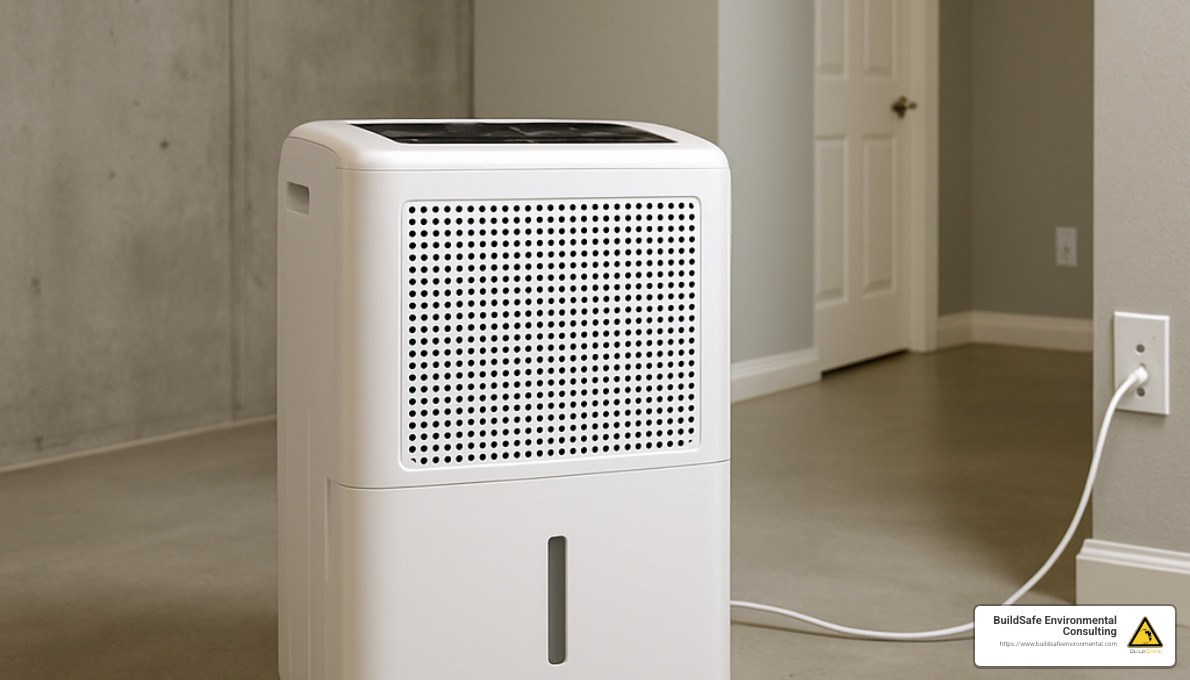
Your first line of defense is monitoring humidity levels throughout your home. Invest in an inexpensive hygrometer (humidity meter) and aim to keep indoor levels between 30–50%. When humidity creeps above 60%, mold starts getting ideas about moving in. In naturally damp areas like basements, a good dehumidifier can make all the difference.
Proper ventilation is equally crucial, especially in moisture-heavy rooms. Those bathroom exhaust fans aren’t just for eliminating odors—they’re removing moisture that could otherwise feed mold growth. Make sure they vent completely outside (not into your attic!) and actually use them during and after showers. The same goes for kitchen range hoods when cooking.
“The dehumidifier you recommended for our basement was a game-changer,” a Fort Collins client told me recently. “After struggling with recurring mold issues for years, we haven’t seen a spot since installing it and sealing those foundation cracks you pointed out. That was two years ago!”
When it comes to leaks, time is truly of the essence. That small water stain on your ceiling might seem minor, but it could be feeding a growing mold colony above. Fix plumbing issues, roof leaks, and appliance connections as soon as you notice them. The 24-48 hour rule is one I stress to everyone—if materials get wet, they need to be thoroughly dried within that window to prevent mold growth.
Don’t forget about exterior water management either. Properly functioning gutters, downspouts directed away from your foundation, and correct grading around your home can prevent moisture problems before they start. In Colorado’s climate, many homeowners don’t realize that improper sprinkler placement can regularly soak exterior walls and lead to interior moisture issues.
Condensation often flies under the radar as a moisture source. Those water droplets on cold pipes, windows, or exterior walls might seem harmless, but they provide plenty of moisture for mold growth. Insulating cold water pipes and improving wall insulation can dramatically reduce these issues.
Finally, don’t underestimate your HVAC system’s role in moisture control. Regular maintenance, timely filter changes, and considering integrated dehumidification options can significantly reduce mold risks in homes.
DIY Cleanup Checklist (<10 sq ft) & Protective Gear
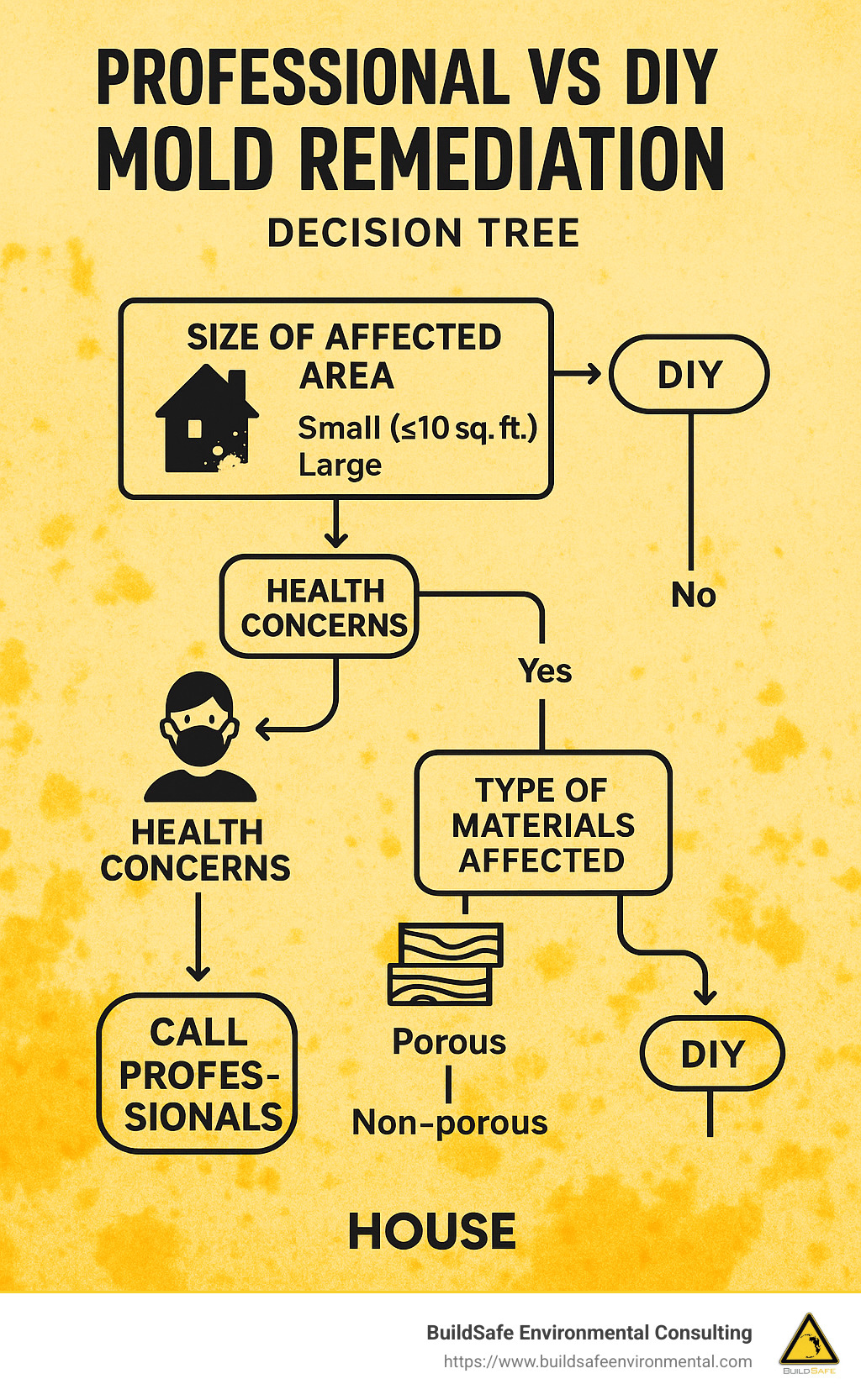
Found a small patch of mold? If it’s less than about 10 square feet (roughly a 3′ × 3′ area), you might be able to handle it yourself. But please—don’t just grab a bottle of bleach and start scrubbing. Proper protection and procedure matter.
First, gear up properly. This isn’t overkill; it’s protecting your health. You’ll need an N-95 respirator (or better), non-porous gloves that extend to mid-forearm, goggles without ventilation holes, and clothing that covers your arms and legs. Mold spores can irritate your lungs, skin, and eyes, so this protection is essential.
Before you clean anything, fix the moisture source. I’ve seen countless homeowners clean up mold only to have it return because they didn’t address why it grew in the first place. That leaky pipe, high humidity, or water intrusion needs to be resolved first.
For non-porous surfaces, a scrub brush and detergent solution often works well. If you’re dealing with bathroom tile or similar hard surfaces, a bleach solution (1 cup household bleach to 1 gallon of water) can be effective—but never mix bleach with ammonia or other cleaners, as this creates toxic fumes. And despite popular belief, bleach isn’t effective on porous materials like drywall or wood; these often need to be removed if significantly affected.
After cleaning, thorough drying is crucial. Use fans, dehumidifiers, or natural ventilation to ensure everything is completely dry. Once finished, dispose of cleaning materials in sealed heavy-duty plastic bags and HEPA vacuum the area to capture any lingering spores.
Wondering if your DIY cleanup was successful? The area should look clean, feel dry to the touch, and that musty odor should be gone. For more information about proper testing procedures, check out our article on Mold Testing: What to Expect and Why It’s Important.
When to Hire Certified Mold Professionals
There are definitely times when calling in the professionals isn’t just advisable—it’s necessary. As someone who’s seen hundreds of mold situations, I can tell you that DIY approaches have their limits.
Mold risks in homes become significantly more complex when the affected area exceeds 10 square feet, when structural elements are involved, or when the mold keeps coming back despite your best efforts. If you’re dealing with mold in your HVAC system, inside wall cavities, or under flooring, professional help is essential.
Health considerations should also guide your decision. If anyone in your home is experiencing symptoms that might be mold-related, or if vulnerable individuals like infants, elderly people, or those with compromised immune systems live in your home, professional remediation provides an important layer of protection.
Professional remediation follows a more comprehensive process than DIY cleanup. It typically begins with thorough inspection and assessment, including moisture mapping with specialized equipment. Professionals will establish proper containment to prevent spores from spreading to unaffected areas, often using negative air pressure and HEPA filtration.
The removal process is methodical, with safe handling of affected materials and proper cleaning of salvageable items. After remediation, thorough drying and restoration bring your home back to normal. At BuildSafe Environmental Consulting, we provide third-party verification services to ensure remediation has been properly completed, giving you confidence that the problem has been truly resolved. Learn more about our mold testing services.
Renters’ Rights and Resources
Renters face unique challenges with mold risks in homes since they don’t control building maintenance decisions. If you’re renting and find mold, understanding your rights and available resources is essential.
Most states, including Colorado, require landlords to maintain habitable living conditions through “warranty of habitability” laws. While Colorado doesn’t have specific mold legislation, state law (C.R.S. § 38-12-503) requires landlords to provide premises that are “fit for human habitation,” which courts have interpreted to include addressing significant mold problems.
Documentation is your strongest ally as a renter. Take dated photos of any visible mold, keep records of water intrusion events, and document any health symptoms that might be related. Most importantly, communicate with your landlord in writing—email with receipt confirmation or certified mail provides a paper trail that could prove valuable if the situation escalates.
A Denver renter shared her experience with me: “When I found mold in my apartment bathroom, my landlord dismissed it as ‘just mildew’ and suggested I use more bleach. I contacted BuildSafe for testing, which confirmed significant mold growth due to improper ventilation. With these test results in hand, my landlord finally agreed to proper remediation and installed an exhaust fan.”
If your landlord isn’t responsive, local resources can help. Your local health department, housing authority, or legal aid organizations often provide assistance specific to tenant issues. Don’t forget that landlords have specific obligations—they must repair leaks promptly, address water intrusion, maintain building systems that prevent moisture problems, and properly remediate mold once notified.
Addressing mold isn’t just about property maintenance—it’s about protecting your family’s health. Whether you own your home or rent, taking proactive steps to control moisture and address mold promptly is the best approach to maintaining a healthy living environment.
Conclusion
Managing mold risks in homes requires vigilance, education, and prompt action. Throughout this guide, we’ve explored the hidden dangers mold can present to your family and property. As we’ve seen, understanding mold is the first step toward creating a healthier home environment.
Mold is a persistent part of our natural world. Those tiny spores float everywhere, just waiting for the right conditions to settle down and multiply. When they find moisture and organic material in your home, they can transform from invisible particles to visible colonies in just 24-48 hours. This remarkable adaptability makes mold both fascinating and frustrating for homeowners.
The health impacts of mold exposure vary widely from person to person. Some might experience minor allergic reactions like sneezing or itchy eyes, while others—especially children, the elderly, or those with compromised immune systems—may develop serious respiratory issues. Your family’s health is too important to gamble with when it comes to mold exposure.
I’ve seen how moisture control is essential for preventing mold problems. Keeping your indoor humidity between 30-50% and addressing any water intrusion within that critical 24-48 hour window will prevent most mold issues before they start. Simple tools like hygrometers and dehumidifiers can make a significant difference in your home’s mold resistance.
Early detection truly matters when dealing with mold. Those musty odors, mysterious stains, or unexplained allergic reactions aren’t just annoyances—they’re warning signs that shouldn’t be ignored. By recognizing these indicators and taking quick action, you’ll minimize both health risks and potential damage to your property.
When mold does appear, proper remediation becomes crucial. Whether you’re handling a small problem yourself or calling in professionals for larger issues, following correct procedures ensures effective mold removal. DIY approaches work well for areas under 10 square feet, but larger problems require professional expertise to address safely.
At BuildSafe Environmental Consulting, we understand the unique concerns Colorado homeowners have about mold risks in homes. Our team provides expert testing, inspection, and third-party verification services across Denver, Longmont, Fort Collins, and surrounding areas. As independent consultants, we don’t perform remediation work ourselves, ensuring you receive unbiased assessments and recommendations you can trust.
Colorado’s distinctive climate creates both advantages and challenges for mold prevention. Our characteristically dry air helps reduce overall humidity, but it can also create a false sense of security that water intrusion will “dry out on its own.” The significant temperature fluctuations we experience can create unexpected condensation issues, particularly in older homes with inadequate insulation.
Addressing mold problems represents an investment in both your property value and your family’s health. The EPA, CDC, and other health authorities consistently emphasize that prompt action on moisture intrusion is the most cost-effective approach to preventing mold problems.
If you suspect mold in your home or want to ensure proper remediation after water damage, contact BuildSafe Environmental Consulting for professional testing and guidance. Our experienced team provides fast, reliable service to help you maintain a healthy indoor environment.
“After a pipe burst in our basement, we were concerned about potential mold growth behind walls. BuildSafe’s thorough testing gave us peace of mind that the remediation company had properly addressed all affected areas. Their third-party verification was exactly what we needed.” – BuildSafe client in Longmont
Don’t wait until mold risks in homes affect your family’s health. Take proactive steps today to identify, address, and prevent mold problems for a healthier home environment.