Key Takeaways
Professional mold remediation Denver services eliminate mold at the source and address underlying moisture issues to prevent costly regrowth.
Mold inspection and testing should be completed first to identify hidden contamination and ensure accurate, unbiased remediation plans.
Certified mold testing company results provide lab-verified data and post-remediation verification, protecting your health and indoor air quality.
Why Denver Homes Need Professional Mold Remediation
Quick Answer: Mold Remediation in Denver
- Average Cost: $1,500-$3,500 (varies by size/severity)
- Timeline: 1-5 days for complete remediation
- Best Companies: Look for IICRC certification and local experience
- Process Steps: Inspection, containment, filtration, removal, cleaning
- When to Call: Visible mold, musty odors, water damage, or health symptoms
- Denver-Specific: High altitude and climate fluctuations create unique mold challenges
Mold remediation Denver services are essential for protecting both your property and your family’s health in Colorado’s unique climate. With Denver’s high altitude, seasonal moisture fluctuations, and temperature swings, homes and businesses face distinct challenges when it comes to mold growth. Professional remediation doesn’t just remove visible mold—it addresses the root cause of moisture problems, prevents future growth, and ensures your indoor air quality remains safe.
Mold can begin growing within 48 hours after water exposure and spread rapidly throughout your property. What might start as a small spot in your bathroom can quickly become a major infestation affecting walls, ceilings, and even your HVAC system. The health implications can be serious, particularly for those with respiratory conditions, allergies, or compromised immune systems.
“Mold is not merely an ugly sight but also a health hazard in your home, necessitating immediate and professional removal to prevent respiratory diseases and structural damage,” notes one Denver remediation expert.
I’m Craig Luckey, and as a business owner with experience in environmental consulting and mold remediation Denver services, I’ve personally witnessed how quick, professional intervention can save homeowners from extensive property damage and health concerns.
Understanding Common Causes of Mold Growth in Denver
Denver’s mountain-adjacent location creates a perfect storm of conditions that can turn a small moisture issue into a full-blown mold problem. As residents of the Mile High City, we face unique challenges that can make our homes particularly susceptible to unwanted fungal guests.
I’ve seen countless Denver homeowners surprised by mold growth, even in seemingly dry homes. The truth is, our city’s distinctive environment requires special attention to keep properties mold-free.
“Most people do not realize how easily mold can form—just a small water leak or excess humidity can trigger rapid mold growth,” explains a mold remediation Denver specialist. This is particularly true in our region, where properties face distinctive environmental pressures.
Climate Factors Contributing to Mold Growth
Living a mile above sea level comes with some interesting challenges when it comes to managing moisture in our homes:
Denver’s high altitude creates thinner air that causes moisture to evaporate more quickly on surfaces—sounds good, right? Not exactly. This uneven drying can actually create hidden pockets of humidity perfect for mold growth in less ventilated areas.
Our famous temperature swings (sometimes 40+ degrees in a single day!) create ideal conditions for condensation as warm, moist air hits cold surfaces. This is especially problematic around windows, exterior walls, and in basements.
Winter in Denver brings persistent freeze-thaw cycles that can create ice dams on roofs. When these ice formations melt, water often finds its way into attics and walls, creating hidden moisture that’s perfect for mold development.
And let’s not forget our seasonal precipitation patterns—from spring downpours to summer thunderstorms—that can overwhelm drainage systems and find weaknesses in our home’s defenses.
David, a homeowner in Washington Park, shared his experience: “After our three-story home flooded during a particularly heavy spring storm, we found mold had started growing within days. The remediation team explained that Denver’s climate accelerated the growth.”
Common Moisture Sources in Homes and Businesses
Beyond our unique climate, several common household issues frequently contribute to mold problems in Denver properties:
Plumbing failures remain one of the leading causes of mold growth, especially in Denver’s historic neighborhoods where aging pipes may be hiding slow leaks behind walls or under floors. These hidden water sources create perfect conditions for mold to thrive undetected.
Poor ventilation is particularly problematic in Denver’s older homes, which weren’t designed with modern humidity management in mind. Bathrooms, kitchens, and attics without proper air circulation trap moisture that has nowhere to go except into your building materials.
Denver’s notorious hail storms regularly damage roofing, creating entry points for water that may not be immediately apparent until mold begins to grow. Similarly, our heavy winter snow can create ice dams that force water under shingles.
The clay soils common throughout the Denver metro area present another unique challenge. These soils expand dramatically when wet and contract when dry, potentially creating foundation cracks that allow water to seep into basements and crawl spaces.
Many Denver properties also suffer from improper grading, where the land around the foundation doesn’t slope away from the house adequately. This can lead to water pooling against foundation walls and eventually finding its way inside.
Based on our experience at BuildSafe Environmental Consulting, over 60% of basements in Denver have some form of moisture seepage, and approximately 38% of basements show signs of mold and fungus growth due to these moisture issues.
Understanding these Denver-specific challenges is the first step toward effective prevention and mold remediation. By identifying potential moisture sources early, homeowners can often address small issues before they require extensive remediation efforts.
Health Risks Associated with Mold Exposure
Mold exposure isn’t just about unsightly spots on your walls—it’s a genuine health concern affecting countless Denver residents every year. Understanding these health impacts helps explain why proper mold remediation Denver services aren’t just recommended—they’re essential for your family’s wellbeing.
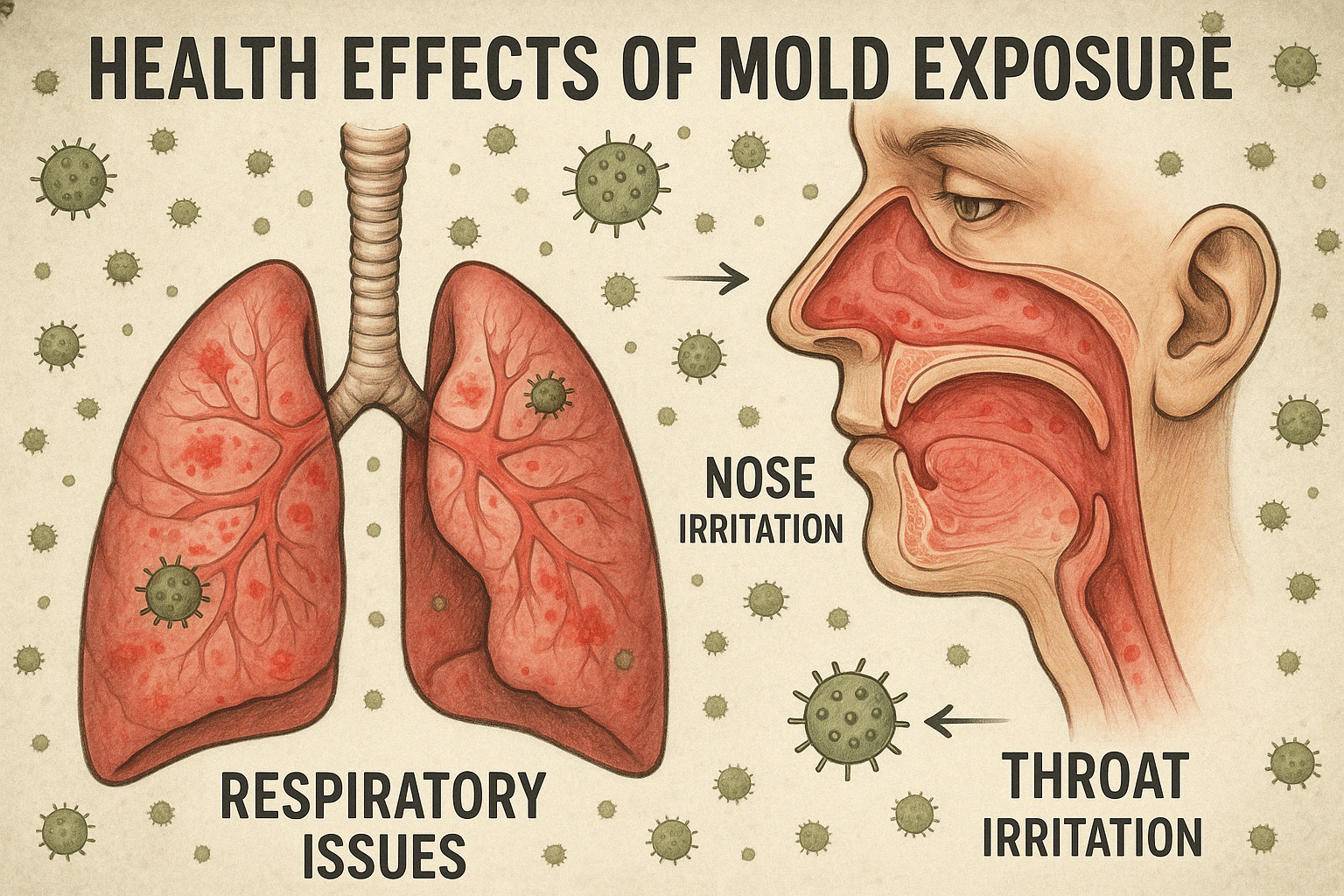
When mold grows in your home, it releases tiny spores into the air you breathe. These spores contain allergens, irritants, and sometimes potentially toxic substances called mycotoxins. Your body’s reaction to these unwelcome guests depends on your personal sensitivity and the specific types of mold present in your environment.
Many of my clients describe a range of symptoms that seemed mysterious until we finded mold in their homes. Respiratory problems like persistent coughing, wheezing, and that constant stuffy nose are often the first signs. Eye irritation is another common complaint—that redness, itching, and watering that just won’t go away with eye drops. Some people develop skin rashes or hives after mold exposure, while others experience debilitating headaches and unusual fatigue that interfere with daily life.
For anyone with asthma, mold can be particularly troublesome, often triggering more frequent and severe asthma attacks. I’ve worked with families who couldn’t understand why their child’s asthma suddenly worsened until we found hidden mold behind their basement walls. Many Denver residents also suffer from chronic sinusitis due to mold exposure, battling ongoing sinus infections that antibiotics just can’t seem to clear.
“After finding mold in our rental home, I called for professional remediation,” one Denver mom told me recently. “I had been experiencing persistent headaches and respiratory issues for months without understanding why. Within days of the remediation, my symptoms began to improve.”
The health stakes get even higher for certain vulnerable groups. Children, elderly individuals, and people with compromised immune systems face greater risks from mold exposure. And we need to talk about black mold (Stachybotrys chartarum). This greenish-black variety, which thrives on materials with high cellulose content, can produce mycotoxins that may lead to more serious health complications in some cases.
According to health experts, long-term exposure to certain molds might contribute to more severe health problems, making prompt mold remediation Denver services not just a property maintenance issue but a critical health intervention. The EPA has extensively documented these connections between mold and health issues, providing valuable resources for concerned homeowners and tenants through their Mold and Health Issues information portal.
What makes Denver’s situation unique is how our climate factors can accelerate mold growth while our high altitude can sometimes intensify respiratory symptoms. When you combine these regional factors with the universal health risks of mold exposure, the importance of quick, professional remediation becomes abundantly clear.
Signs That Indicate a Mold Problem
Spotting mold early can save you thousands in remediation costs and protect your family’s health. Here in Denver, our unique climate creates some sneaky conditions for mold growth that might not be obvious at first glance.
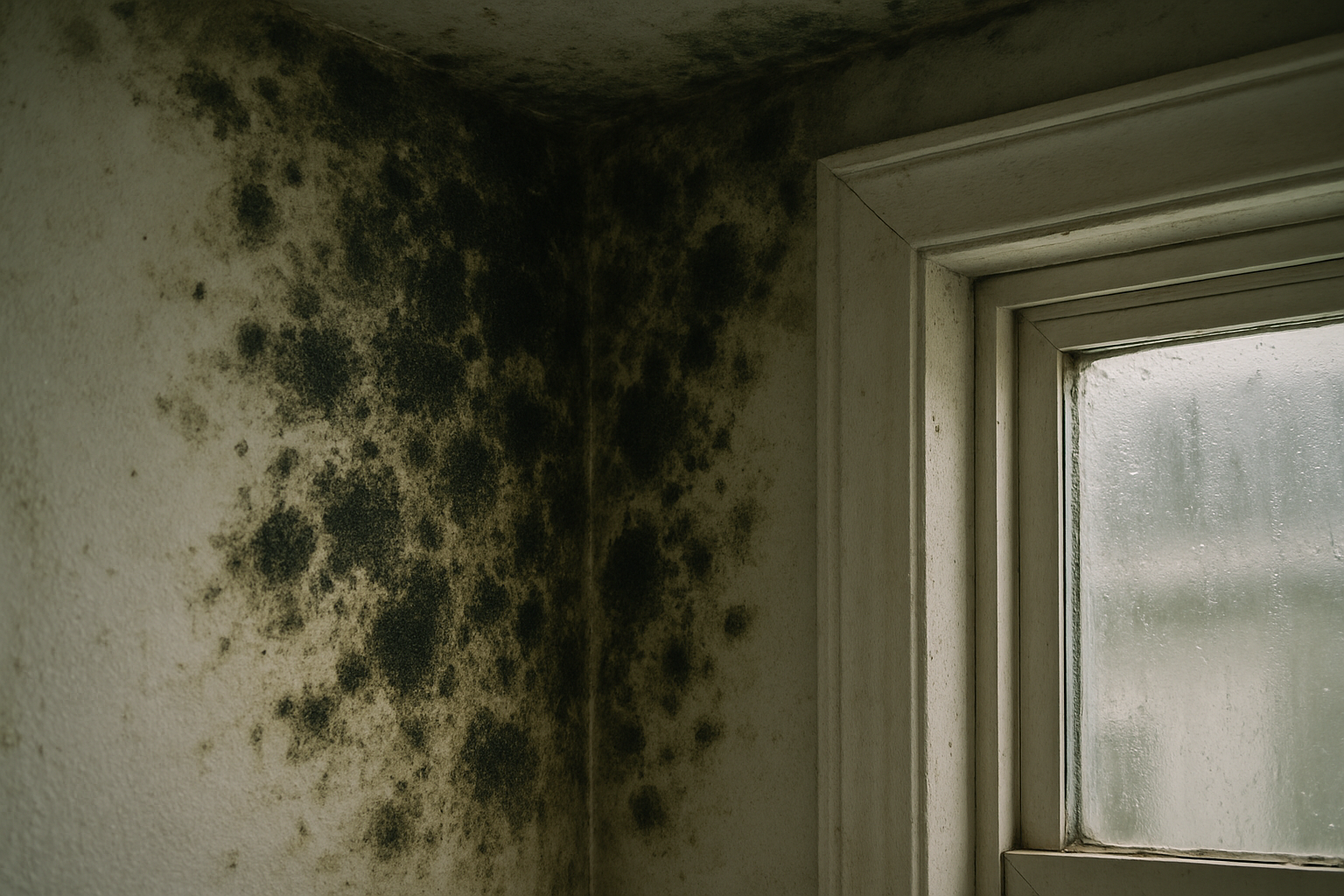
Visible and Hidden Indicators of Mold Infestation
That fuzzy black stuff in your shower corner? That’s just the tip of the iceberg when it comes to mold problems. The tricky part is that mold often hides where you can’t easily see it.
When I visit Denver homes, homeowners are often shocked to find mold growing behind seemingly perfect-looking walls. What gave it away? Sometimes it’s subtle clues like discoloration on surfaces – those black, green, or brownish spots that seem to appear out of nowhere. Other times it’s peeling or bubbling paint, which is practically mold’s way of waving a red flag that moisture is trapped behind the surface.
Water stains on your ceiling or walls are never a good sign. I remember visiting Charlotte’s home in Denver where she pointed out a small yellowish stain on her ceiling. “It’s probably nothing,” she said. When we checked the attic above, we found a significant mold colony thriving from a small roof leak.
Pay attention to warping or bulging materials too. When your previously flat drywall starts to look like the Rocky Mountain skyline, that’s moisture doing its work. And that crumbling drywall or deteriorating grout? That’s not just age – it’s often mold breaking down materials from the inside out.
Your nose can be your best detective tool. That musty, earthy smell – like wet cardboard or damp soil – is often mold’s calling card. As one Denver homeowner told me, “I couldn’t see anything wrong, but my basement smelled like an old library book. Turns out there was mold growing behind the entire finished wall.”
Notice your allergy symptoms flaring up when you enter certain rooms? Or persistent condensation on your windows? These are signals your home might be whispering, “I’ve got a mold problem.”
When to Get Professional Mold Testing
Sometimes the signs aren’t clear, and that’s when professional testing becomes invaluable. After helping thousands of Denver residents with mold remediation Denver services, I’ve identified key situations when testing is absolutely necessary:
After any significant water event – whether it’s a flooded basement during our spring snowmelt or a burst pipe during one of our famous freeze-thaw cycles – professional testing can catch mold before it becomes visible.
Many of my clients call after experiencing persistent health symptoms that mysteriously improve when they leave home. One Denver teacher noticed her chronic cough disappeared during school hours but returned each evening. Testing revealed mold in her bedroom wall from a small bathroom leak.
Professional testing is also crucial during real estate transactions. I can’t tell you how many times I’ve saved buyers from purchasing a home with hidden mold issues that would have cost thousands to remediate.
If you notice musty odors without visible mold, that’s your cue to call in professionals. Our specialized equipment can detect moisture behind walls and identify airborne mold spores that you’d never see with the naked eye.
At BuildSafe Environmental Consulting, we approach testing comprehensively, examining all areas including those rarely-visited corners of your home. We use moisture meters to identify problem areas and collect air and surface samples to determine exactly what types of mold are present and in what concentrations.
As Joe, one of our Denver inspectors with over 30 years of experience, always emphasizes: “I only do testing.” This matters because you want objective data from someone who doesn’t have a financial interest in finding a problem. That’s why we focus on accurate testing and leave remediation to other specialists – ensuring you get honest results every time.
Want to learn more about what to expect during professional mold testing? Check out our detailed guide on Mold Testing: What to Expect and Why It’s Important.
In Denver’s climate, early detection is your best defense against costly mold remediation Denver services down the road. Your nose, eyes, and health symptoms are trying to tell you something – it’s worth listening.
Mold Remediation Denver: Steps to a Mold-Free Property
When you find mold in your Denver home or business, it’s not just an unsightly nuisance—it’s a situation that calls for prompt, professional attention. The journey to a mold-free property involves much more than wiping away visible growth; it requires addressing root causes and implementing thorough removal strategies to prevent future problems.
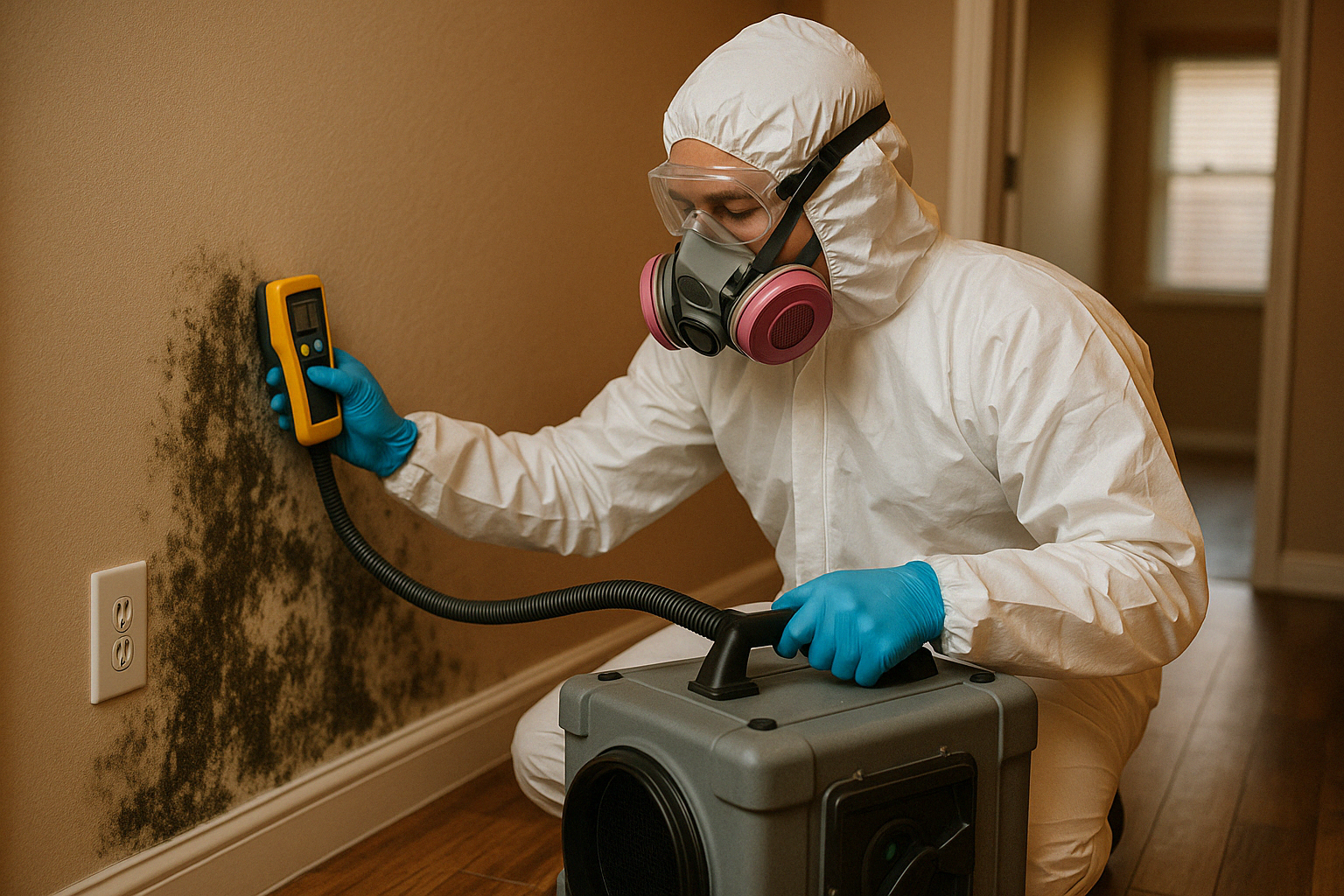
The Importance of Professional Mold Remediation in Denver
I’ve seen countless Denver homeowners attempt DIY mold removal only to call us weeks later when the problem returns—often worse than before. There’s a good reason why mold remediation Denver experts are worth their weight in gold.
Professional remediation isn’t just about cleaning what you can see. When you hire experienced professionals, you’re getting a comprehensive service that includes finding hidden mold growth lurking behind walls, under floors, and in your ventilation systems. These are places most homeowners never think to check, but where mold often thrives undetected.
Beyond just removal, professionals identify and fix the moisture sources causing mold growth in the first place. Without addressing these underlying issues, you’re essentially putting a bandage on a leaking pipe—the problem will inevitably return.
“We treat mold-damaged property as if it were our own,” a Denver remediation specialist told me recently. This care shows in the thorough containment procedures professionals implement to prevent mold spores from traveling to clean areas of your home during removal. They create physical barriers and use negative air pressure systems that keep spores contained—something that’s nearly impossible to achieve with DIY methods.
The health protection aspect can’t be overstated either. Trained professionals arrive with proper personal protective equipment and follow established protocols that minimize health risks during the remediation process. This is particularly important for families with young children, elderly members, or those with respiratory conditions.
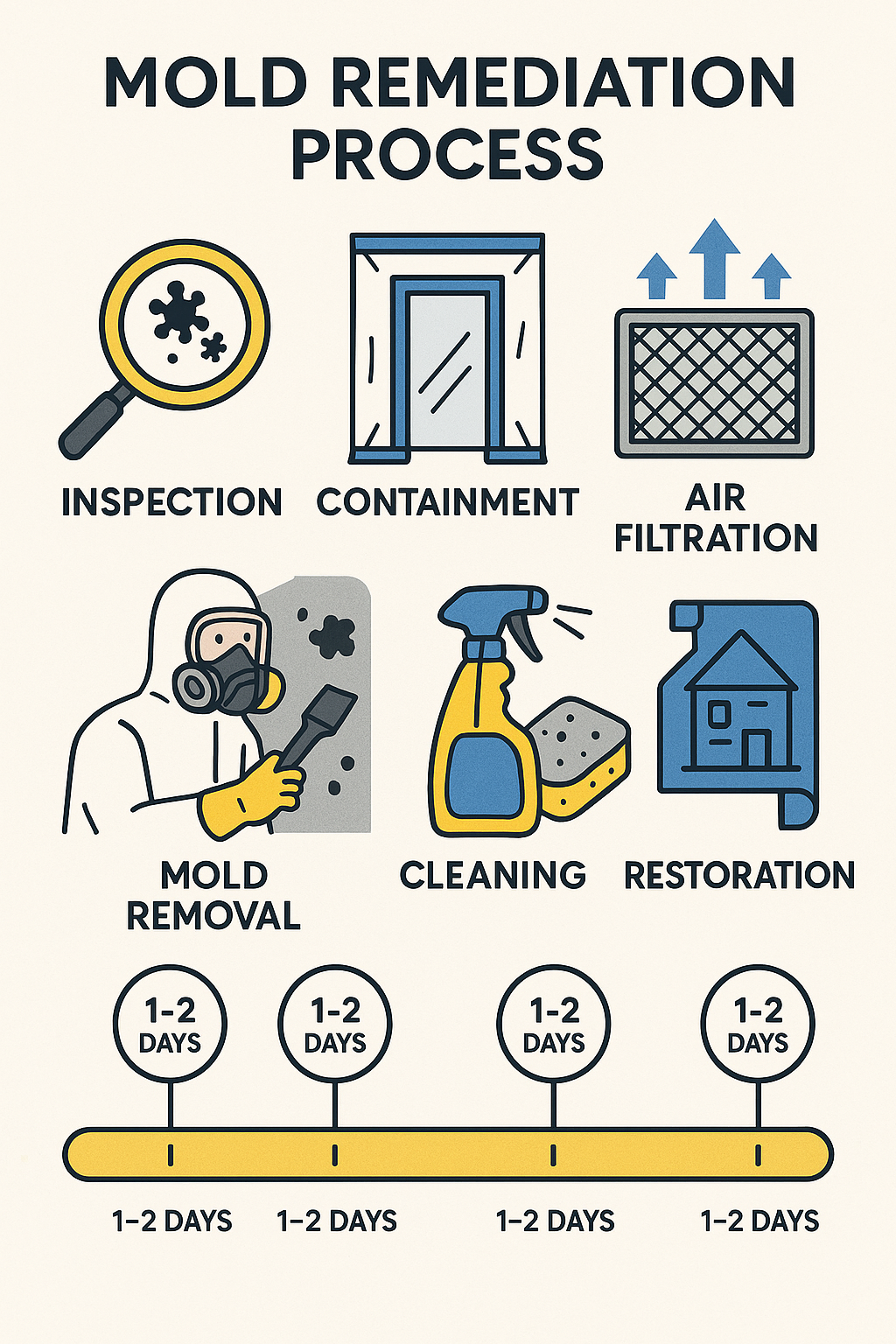
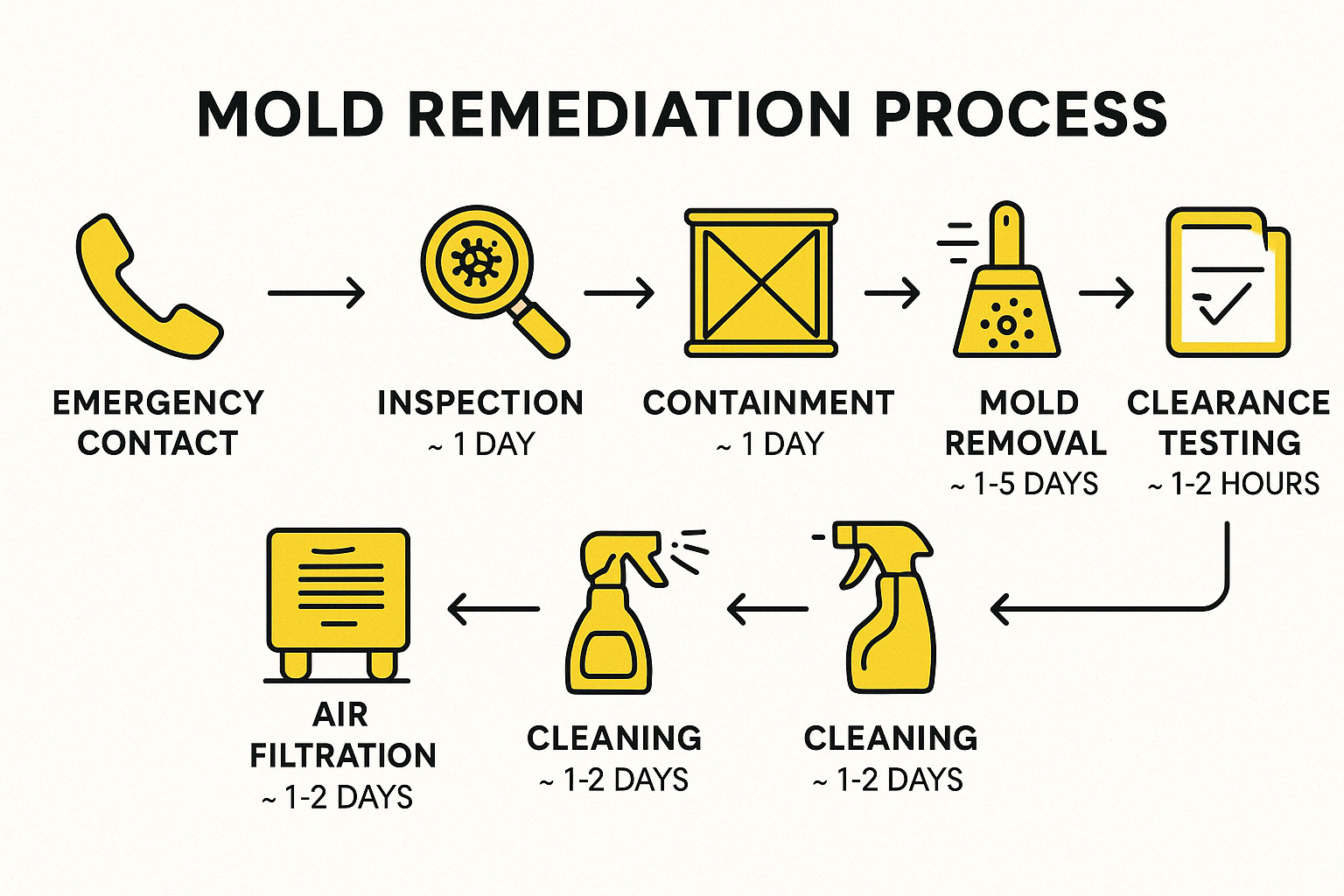
The typical mold remediation Denver process follows a carefully structured approach:
- When you call a remediation service, they’ll arrange a prompt inspection
- Professionals thoroughly assess the extent of mold damage and locate moisture sources
- Containment barriers are established to isolate affected areas
- Air filtration equipment is installed to capture airborne spores
- Mold removal begins, with affected materials either cleaned or removed
- Personal belongings are carefully cleaned using appropriate methods
- Finally, restoration brings your property back to pre-mold condition
Technologies and Methods Used in Mold Remediation Denver
The days of simply bleaching visible mold are long gone. Modern mold remediation Denver services employ sophisticated technologies that make remediation more effective and thorough than ever before.
Infrared cameras have revolutionized how we detect moisture problems. While they don’t directly “see” moisture, these cameras identify temperature differences that often indicate water issues hiding behind walls or ceilings. I remember inspecting a Denver townhome where the homeowner couldn’t figure out why mold kept returning to one bedroom wall. Our infrared scan revealed a tiny plumbing leak inside the wall that had gone undetected for months.
Once we suspect moisture, we confirm it with moisture meters that precisely measure the water content in building materials. These readings help us identify problem areas even when there are no visible signs of water damage or mold growth.
During the actual remediation, HEPA air filtration becomes our best friend. These powerful filters capture 99.97% of particles as small as 0.3 microns—including mold spores—helping to clean the air while we work. We pair these with negative air machines that create pressure differentials, ensuring that any disturbed spores flow into our filtration systems rather than spreading to clean areas of your home.
After physical removal, we apply professional-grade antimicrobial and antifungal treatments that eliminate lingering mold and help prevent new growth. Many Denver companies, including ours, now offer EPA-registered enzyme-based cleaners that break down mold at the molecular level without harsh chemicals—a great option for environmentally-conscious homeowners or those with chemical sensitivities.
Denver’s unique environment presents special challenges for mold remediation. As one local expert explained to me, “Denver’s high altitude affects drying times and requires adjustments to standard remediation protocols to ensure effective results.” This local knowledge makes a substantial difference in remediation success.
Kevin Z., a Denver hotel owner who faced significant water damage, shared his experience: “Airtestco helped me and my contractors to mitigate any potential mold issues after my hotel suffered water damage. He is fast, knowledgeable and honest. Airtestco will make sure your insurance company will not leave you ‘high and dry’ and it was the best decision I have made during my claim process.”
At BuildSafe Environmental Consulting, we understand that finding mold in your property can be stressful. That’s why we provide thorough mold testing to precisely identify the extent of your problem, followed by detailed recommendations for proper mold remediation. As a third-party testing service, we provide unbiased verification that ensures your remediation is done correctly the first time.
Choosing the Right Mold Remediation Company in Denver
Finding the perfect partner for your mold remediation Denver needs isn’t just about picking a name from a search result. It’s about finding professionals who understand our unique Denver climate challenges and will treat your home with the same care they’d give their own. With so many companies claiming to be experts, how do you separate the truly qualified from the rest?
What to Look for in a Professional Service
When I talk with Denver homeowners about finding reliable mold remediation services, I always emphasize the importance of proper credentials. Companies with IICRC certification (Institute of Inspection Cleaning and Restoration Certification) or NORMI certification (National Organization of Remediators and Mold Inspectors) have technicians who’ve undergone rigorous training in proper remediation techniques.
“Reputation matters,” a Denver remediation expert told me recently. “A company’s track record of successful remediation and satisfied customers speaks volumes about their expertise and reliability.” I couldn’t agree more – a company’s past performance is often your best indicator of future results.
Local experience matters tremendously in our Mile High City. Companies familiar with Denver’s unique altitude effects, seasonal moisture patterns, and typical building construction will spot issues that others might miss. They’ll understand how our dry climate can sometimes mask moisture problems until they become serious.
Look for transparency in their assessment approach. Quality providers don’t just glance around – they conduct thorough inspections using advanced technology like moisture meters and, when necessary, air sampling. They should be happy to explain what they’re doing and why at every step.
At BuildSafe Environmental Consulting, we’ve observed that the most trustworthy remediation companies accept third-party verification. Rather than marking their own homework, they welcome independent testing to confirm their work meets proper standards – a true sign of confidence and integrity.
Before signing any contract, verify that the company carries appropriate liability insurance and required local licenses. This protects both you and them if anything unexpected occurs during the remediation process.
Questions to Ask Potential Companies
When you’re interviewing mold remediation Denver companies, the right questions can reveal volumes about their expertise and approach. Think of this as a job interview – because that’s exactly what it is!
Start by asking, “What is your approach to identifying the moisture source?” Any company worth hiring will explain their inspection process in detail, emphasizing that finding and fixing the water source is the foundation of effective remediation.
“How will you contain the affected area during remediation?” Their answer should include specific details about negative air pressure systems and physical barriers to prevent cross-contamination. If they give vague answers here, consider it a red flag.
When discussing equipment and methods, listen for mentions of HEPA filtration, appropriate EPA-registered cleaning agents, and containment strategies. Professional-grade equipment makes a significant difference in remediation effectiveness.
One question that separates the best from the rest: “Do you perform or arrange for post-remediation verification testing?” Companies confident in their work welcome third-party verification that confirms they’ve successfully addressed the problem.
Ask about guarantees or warranties too. Reputable companies typically stand behind their work with some form of assurance that the remediation will be effective.
JEN B., a Denver homeowner who recently completed mold remediation, shared her experience: “Joe was outstanding! He went above and beyond for us. Joe immediately responded to us regarding our problem. Extremely knowledgeable about his work, he systematically evaluated the issue and pinpointed the resolution with a meticulous, well-thought out plan.”
Don’t forget practical questions about timelines and unexpected findings. How long will the remediation take? What happens if they find additional mold behind walls? How do they handle documentation for insurance claims? Clear answers to these questions indicate a company that has systems in place for common scenarios.
The right mold remediation Denver company will make you feel confident and informed throughout the process, treating your questions as opportunities to educate rather than obstacles to overcome. They understand that your home is your sanctuary, and their job is to help restore it to a safe, healthy environment where you can breathe easy – both literally and figuratively.
Are Mold Remediation Services Covered by Insurance in Denver?
When that dreaded mold appears in your Denver home, one of the first questions that comes to mind is: “Will my insurance cover this?” The answer isn’t always straightforward, and understanding how insurance policies handle mold can save you significant headaches and expenses.
Insurance coverage for mold remediation typically hinges on one crucial factor: what caused the mold in the first place. Let me walk you through what you need to know about getting coverage for mold remediation Denver services.
“I was absolutely panicked when I finded black mold in my basement after a pipe burst,” shares Maria, a Denver homeowner. “The remediation estimate was over $4,000, but thankfully my insurance covered most of it because they determined it resulted from a sudden plumbing failure.”
Most Denver homeowners find their insurance policies will cover mold remediation when the mold results from a “covered peril” – insurance-speak for specific incidents your policy protects against. For example:
When your insurance will likely cover mold remediation:
– Sudden pipe bursts during Denver’s freezing winter temperatures
– Unexpected appliance failures that release water
– Storm damage that allows water intrusion
– Accidental overflow from a properly maintained appliance
When your insurance probably won’t cover mold remediation:
– Ongoing leaks you’ve neglected to fix
– Humidity issues from poor ventilation
– Flooding (unless you have separate flood insurance)
– Construction defects that allow water intrusion
Navigating Insurance Claims for Mold Damage
Successfully navigating the insurance claim process for mold remediation Denver services requires preparation, documentation, and sometimes a bit of persistence. Here’s how to improve your chances of coverage:
Document everything thoroughly. The moment you find water damage or mold, take clear photos and videos. This visual evidence establishes the timeline and extent of damage before remediation begins.
Report promptly. Contact your insurance company immediately after finding water damage or mold. Delays can give insurance companies reason to deny claims, suggesting you didn’t take reasonable steps to prevent further damage.
Get professional assessment. Having a certified mold inspector document the extent and likely cause of the mold creates an official record that’s hard for insurance companies to dispute. At BuildSafe Environmental Consulting, we provide detailed reports that help homeowners substantiate legitimate claims.
Keep detailed records. Save every email, text message, report, and receipt related to your mold issue. Note the names and contact information of everyone you speak with at your insurance company. This paper trail can be invaluable if disputes arise.
Work with experienced professionals. Companies familiar with the insurance claim process can provide the proper documentation and sometimes communicate directly with adjusters. They know exactly what insurance companies need to process your claim.
Kevin Z., a Denver hotel owner who faced water damage, shared his experience: “Airtestco helped me and my contractors mitigate potential mold issues after my hotel suffered water damage. He made sure my insurance company didn’t leave me ‘high and dry’ – it was the best decision I made during my claim process.”
Sometimes, insurance companies initially deny legitimate claims. Don’t be discouraged if this happens. Request a written explanation for the denial and consider appealing the decision with additional documentation or clarification.
For complex or high-value claims, hiring a public adjuster who works on your behalf can significantly improve outcomes. These professionals understand insurance policy language and can advocate for maximum coverage under your policy terms.
The key to successful insurance claims for mold remediation Denver services is establishing that the mold resulted directly from a covered event and that you took reasonable steps to address the situation promptly. With proper documentation and professional support, many Denver homeowners successfully steer this challenging process and get the coverage they deserve.
Remember: The best approach is prevention. Reviewing your insurance policy before problems occur helps you understand what’s covered and what exclusions might apply to mold situations in your Denver property.
Differences Between Residential and Commercial Mold Remediation
When it comes to tackling mold problems, there’s a world of difference between fixing up a family home and addressing issues in a busy office building or retail space. While the enemy (mold) remains the same, the battlefield and strategies vary significantly.
Scale and Complexity: More Than Just Size
Residential mold remediation Denver projects typically involve focused work in specific areas—perhaps a bathroom with poor ventilation or a basement that flooded. The containment areas are usually straightforward, and the equipment needed fits the scale of a home environment.
By contrast, commercial remediation often feels like orchestrating a complex symphony. I remember a project we consulted on for a downtown Denver office building where the remediation team had to coordinate work across multiple floors while ensuring business operations could continue. The containment systems looked like something from a sci-fi movie—elaborate chambers with negative air pressure systems and multiple decontamination areas.
“In commercial settings, mold may spread in 72 hours or less, creating urgent health and operational risks,” notes a Denver remediation specialist I’ve worked with for years. This rapid timeline makes quick action even more critical in business environments.
Timing and Disruption Management
For homes, remediation typically takes 1-5 days and can usually happen during regular daytime hours. The family might need to relocate temporarily, but the disruption is relatively contained.
Commercial projects? That’s a different story entirely. Work often happens during evenings, weekends, or overnight to minimize business disruption. I’ve seen hotel remediations conducted floor by floor, with careful scheduling to ensure guests never encounter work areas. These projects can stretch into weeks for larger buildings, requiring meticulous planning and communication.
Regulatory Requirements and Documentation
Home remediation follows residential health codes, with documentation primarily needed for the homeowner and possibly their insurance company. It’s relatively straightforward.
Commercial mold remediation Denver services, however, must comply with a maze of regulations—OSHA requirements for worker safety, ADA considerations for accessibility, and sometimes industry-specific protocols for places like hospitals or food service establishments. The paperwork stack grows considerably taller, with detailed documentation needed to demonstrate regulatory compliance.
Stakeholder Management
For residential projects, you’re mainly dealing with the homeowner and perhaps tenants. Commercial remediation involves a web of stakeholders—property managers, business owners, employees, customers, and sometimes even media if it’s a high-profile location.
I recall a Denver retail mall project where the remediation team had to develop a comprehensive communication plan for store owners, shoppers, and mall management. The strategy included everything from signage to scheduled updates to ensure everyone remained informed without causing unnecessary alarm.
Insurance and Financial Considerations
The insurance process for home remediation typically involves a single homeowner’s policy with relatively straightforward claims procedures. Commercial policies often involve more complex coverage questions, higher stakes, and more rigorous documentation requirements.
At BuildSafe Environmental Consulting, we’ve found that providing detailed, professional assessment reports significantly improves outcomes for both residential and commercial clients dealing with insurance claims. Our third-party verification services ensure that remediation meets all applicable standards regardless of the property type.
Equipment and Techniques
While the fundamental principles of mold remediation Denver services remain consistent across property types, the scale and sophistication of equipment differ dramatically. Commercial projects require industrial-grade air scrubbers, larger containment systems, and sometimes specialized equipment for unique environments like server rooms or manufacturing facilities.
The post-remediation verification process also varies significantly. Residential clearance typically involves basic air and surface sampling, while commercial properties often require more extensive environmental testing protocols, especially in sensitive environments like healthcare facilities or schools.
What remains constant across both settings is the need for thorough, professional remediation that addresses not just the visible mold, but also identifies and corrects the underlying moisture issues. Whether it’s a family home or a sprawling office complex, cutting corners on mold remediation only leads to recurring problems and potentially serious health consequences down the road.
Preventing Mold Growth in Your Home or Business
Let’s face it—dealing with mold after it’s established itself in your home is like trying to put toothpaste back in the tube. It’s messy, frustrating, and usually expensive. The good news? A little prevention goes a long way, especially in Denver’s unique climate where our high altitude and dramatic weather patterns create special challenges for homeowners.

Maintenance and Inspection Tips
I can’t tell you how many times I’ve seen small, fixable issues turn into major mold problems simply because they were overlooked. In Denver’s environment, being proactive isn’t just smart—it’s essential.
Fix those leaks immediately. I know it’s tempting to put off that dripping faucet or small roof leak, but here’s the reality: mold can begin growing within 48 hours of water exposure. What seems minor today could become a major headache by the weekend.
Keep an eye on your humidity levels. Many Denver residents think our dry climate means humidity isn’t an issue, but that’s not always true. Your bathroom after a hot shower or your basement during spring rains can quickly become mold breeding grounds. Aim to keep indoor humidity between 30-50%—inexpensive humidity meters can help you monitor this.
One Denver homeowner recently told me, “I never thought we’d have mold issues in our dry climate until I found spots growing behind our washing machine. Now I check moisture-prone areas monthly.”
Those gutters and downspouts need your attention too. When clogged, they can send water cascading down your foundation—particularly problematic with Denver’s expanding clay soils. Clean them out each spring and fall, and make sure downspouts direct water at least five feet away from your foundation.
Your windows deserve special consideration in our climate. Denver’s dramatic temperature swings can deteriorate window seals faster than in other regions. Check them periodically, especially after extreme weather, and reseal as needed to prevent condensation and water infiltration.
After those impressive summer thunderstorms roll through, take a quick tour around your property. Check the attic, basement, and areas around windows for any signs of water entry. Catching these issues early can save you thousands in mold remediation Denver services down the road.
For more comprehensive guidance on keeping your home mold-free during humid weather, check out our detailed guide at More info about Mold Prevention.
The Role of Ventilation in Controlling Mold Growth
If moisture is mold’s best friend, ventilation is its worst enemy. Proper airflow prevents the damp, stagnant conditions where mold thrives, and it’s particularly important in Denver’s unique environment.
Bathroom fans aren’t just for eliminating odors. They’re your first line of defense against bathroom mold. Run them during showers and for at least 30 minutes afterward. If your fan sounds like a dying vacuum cleaner, it’s probably not moving enough air—consider an upgrade with a humidity sensor that runs automatically when needed.
Your kitchen needs proper ventilation too. Range hoods should vent to the outside, not just recirculate air through a filter. When cooking pasta or boiling water, that steam has to go somewhere—preferably not into your cabinets and walls where it can condense and create mold problems.
“I’ve seen countless Denver homes where improper ventilation led to serious mold issues,” explains our lead inspector at BuildSafe. “Especially in older homes near downtown that weren’t built with today’s moisture concerns in mind.”
Attic ventilation deserves special attention in our climate. During winter, warm air rising from your living spaces can hit cold roof decking and create condensation. Without proper ventilation, this moisture accumulates and can lead to mold growth and even roof damage. Soffit vents combined with ridge or gable vents create the continuous airflow needed to prevent these problems.
For those with finished basements—increasingly common in Denver homes—consider running a dehumidifier during spring and summer months. Even with proper exterior drainage, our seasonal moisture can create humidity levels that support mold growth in below-grade spaces.
Don’t overlook your HVAC system either. Regular maintenance of your heating and cooling equipment prevents condensation issues that can lead to mold growth within the system itself. Change filters according to manufacturer recommendations and have the system professionally inspected annually.
One often-overlooked tip that’s particularly relevant to Denver’s climate: avoid placing furniture directly against exterior walls, especially in winter. The temperature difference between the cold wall and warmer room can create condensation behind the furniture—a perfect spot for hidden mold growth.
For a deeper dive into ventilation strategies specific to mold prevention, visit our detailed guide at More info about Ventilation.
By implementing these practical preventive measures, you’ll significantly reduce your chances of ever needing to call for mold remediation Denver services. At BuildSafe Environmental Consulting, we’d much rather help you prevent mold problems than test for them after they’ve developed—though we’re here for you either way.
For additional guidance on maintaining healthy indoor air quality, the Centers for Disease Control and Prevention (CDC) offers excellent resources on mold prevention that complement our Denver-specific recommendations.
Frequently Asked Questions about Mold Remediation Denver
How quickly can mold spread in a property?
You might be surprised at just how quickly mold can take over your Denver home or business. Once moisture finds its way into your property, mold can begin growing in as little as 24-48 hours. What starts as a tiny spot can transform into a significant problem within a week.
“Mold can spread quickly through a property in as little as 48 hours,” one of our Denver remediation colleagues recently told me. This is why acting fast after water damage is absolutely crucial.
Denver’s unique climate creates the perfect storm for rapid mold growth. Our warm summer temperatures combined with trapped moisture in poorly ventilated spaces create ideal conditions for mold to thrive. Add in organic building materials like drywall and wood (which mold loves to eat), and you’ve got all the ingredients for a mold explosion. The situation gets even worse with hidden water leaks that silently feed mold colonies behind walls or under floors.
This rapid spread is precisely why professional mold remediation Denver services should be your first call when you find mold or experience significant water damage. The longer you wait, the more extensive (and expensive) the problem becomes.
Can I remove mold myself?
I understand the appeal of DIY mold removal—it seems like a way to save money, especially for small patches of mold. But before you grab that bottle of bleach, let me share some important considerations.
DIY mold removal comes with significant risks that many homeowners don’t realize until it’s too late. Without proper containment procedures, you might actually spread mold spores throughout your home while trying to clean them. It’s like trying to clean up dust by blowing on it—you just send it everywhere!
Surface cleaning often leaves mold alive and well in porous materials. You might remove what you can see, but the roots of the mold remain hidden within materials, ready to regrow. Even more concerning is that DIY approaches typically fail to identify and fix the underlying moisture problem that caused the mold in the first place.
There’s also the health aspect to consider. Without proper protective equipment, you expose yourself to concentrated mold spores during removal, which can trigger allergic reactions or respiratory issues. And those household cleaning products? Many aren’t actually effective at eliminating mold at its roots.
For very small areas (less than 10 square feet) of non-toxic mold on hard, non-porous surfaces like tile, DIY cleaning with appropriate precautions might be okay. But for larger areas, suspected toxic black mold, or situations where mold might be hiding in walls or ceilings, professional mold remediation Denver services are your safest bet.
What does the mold remediation process involve?
When you hire professionals for mold remediation Denver services, you’re getting a comprehensive solution that goes far beyond just wiping away visible mold. The process is thorough, systematic, and designed to not only remove existing mold but prevent its return.
The journey begins with a detailed initial assessment. Trained professionals carefully inspect your property to determine exactly how extensive the mold growth is and—crucially—identify where the moisture is coming from. Without fixing the water source, mold will simply return.
Next comes containment setup, where physical barriers and negative air pressure systems are installed to prevent mold spores from traveling to clean areas of your home. Think of it as creating a sealed bubble around the affected area. Within this containment, HEPA air scrubbers work continuously to capture airborne spores.
The removal phase is where the real change happens. Materials that can’t be effectively cleaned—like saturated drywall, carpeting, or insulation—are carefully removed and properly disposed of. Remaining surfaces are treated with specialized antimicrobial and antifungal products that eliminate mold at its roots.
After deep cleaning with HEPA vacuums and detailed surface cleaning, the restoration phase begins. This is where removed building materials are replaced and repairs are made to restore your property to its pre-mold condition. Most importantly, the underlying moisture issue that caused the mold growth is addressed to prevent recurrence.
At BuildSafe Environmental Consulting, we provide independent verification testing after remediation is complete. This third-party verification ensures that mold levels have truly returned to normal and that your property is safe for you and your family.
As one Denver remediation specialist puts it: “Our trained staff completely eradicates mold growth from your home or office. Guaranteed.” This confidence comes from following a proven, scientific process rather than quick-fix solutions.
When you consider the health implications of living with mold and the potential for property damage, professional remediation isn’t just an expense—it’s an investment in your health and home.
Conclusion
The battle against mold in Denver homes isn’t just about aesthetics—it’s about protecting your family’s health and your property’s value. Mold remediation Denver services play a crucial role in maintaining safe, healthy indoor environments, especially given Colorado’s unique climate challenges.
I’ve seen at BuildSafe Environmental Consulting how proper assessment and verification make all the difference in remediation success. When a job is done right, families can breathe easier—both literally and figuratively.
Think about what we’ve learned together about mold in Denver:
When water enters your home, you’re on a 48-hour countdown before mold begins its rapid spread. That small water stain on your ceiling today could become a major health hazard by the weekend. Quick action isn’t just recommended—it’s essential.
Visible mold is often just the tip of the iceberg. Effective mold remediation Denver specialists don’t just clean what you can see—they’re like detectives, tracking down the source of moisture that’s feeding the problem. Without addressing that leaky pipe or poor ventilation, you’ll find yourself facing the same issue again next month.
For anything beyond a small bathroom spot, professional help makes sense. I’ve talked with countless homeowners who tried the DIY route only to end up calling us later when the problem worsened. Professionals bring specialized equipment, proper containment protocols, and the expertise to handle the job safely and completely.
After remediation, verification is your peace of mind. Third-party testing confirms that remediation was successful and your property is truly safe again. At BuildSafe, this independent verification is the cornerstone of our service—we believe you deserve absolute certainty that your home is healthy.
Going forward, prevention becomes your best friend. Regular maintenance checks, proper ventilation (especially in bathrooms and kitchens), and quick responses to water intrusions will keep mold at bay. These simple habits can save you thousands in future remediation costs.
As David Krawitz, one of our clients, shared: “TJ is simply the best, diligent, thorough, meticulous, professional, knowledgeable, compassionate and dedicated. He has earned our highest possible recommendation.”
Living in Denver presents unique environmental challenges, but with the right knowledge and professional partnerships, you can maintain a healthy, mold-free home for years to come. The mountain air outside should be crisp and clean—and with proper vigilance, the air inside your home can be even better.
For more information about our mold testing services or to schedule an inspection, contact BuildSafe Environmental Consulting today. Our team of certified professionals is ready to help you ensure your property is safe, healthy, and mold-free. (As of 2025, these recommendations remain fully updated to reflect Denver’s current climate and industry practices.)