Understanding the Silent Threat in Your Home
Mold in the home health risks: are a serious concern for any homeowner or renter. While often overlooked until visible growth appears, mold can significantly impact your family’s health and your property’s integrity.
Key Health Risks of Indoor Mold Exposure:
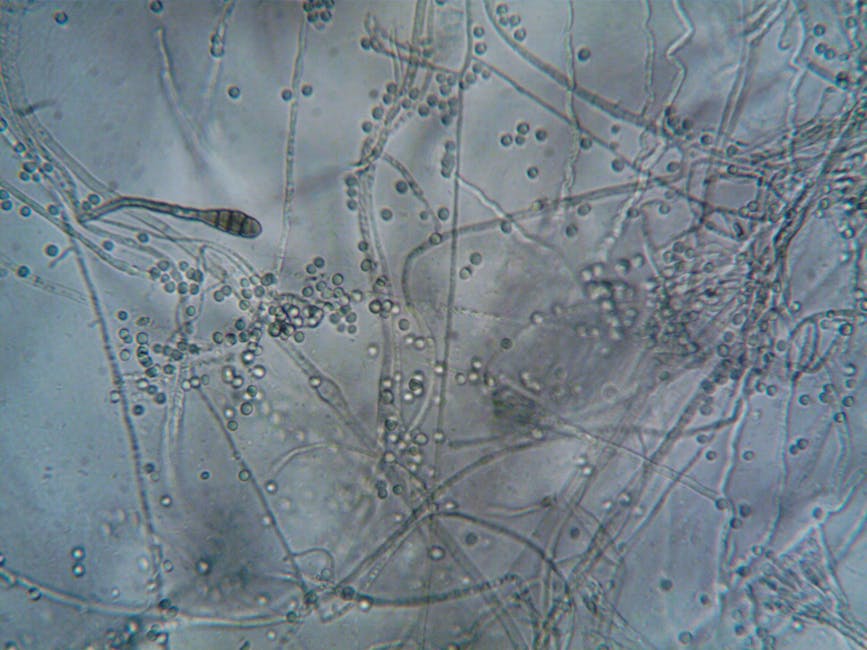
- Respiratory Problems: Coughing, wheezing, and asthma attacks
- Allergic Reactions: Sneezing, runny nose, red eyes, and skin rashes
- Irritation: Throat, eyes, and skin irritation even in non-allergic individuals
- More Serious Concerns: Possible lung infections in people with compromised immune systems
According to the Institute of Medicine, there is sufficient evidence linking indoor mold exposure to upper respiratory tract symptoms, cough, and wheeze in otherwise healthy people. A study of over 40,000 children found that almost 11% of those exposed to mold in their homes developed asthma, compared to 7% of unexposed children.
Mold thrives in damp environments and can begin growing within 24-48 hours of water exposure. The most common indoor molds include Cladosporium, Penicillium, and Aspergillus, with the infamous “black mold” (Stachybotrys chartarum) being less common but often causing more concern.
The truth is that any type of mold in significant quantities can pose health risks, especially when growing indoors where spores become concentrated. People with existing respiratory conditions, allergies, immune disorders, the very young, and the elderly face the highest risk.
I’m Craig Luckey, and as an environmental consultant with years of experience assessing mold in the home health risks, I’ve seen how proper identification and remediation can transform both homes and health outcomes. My background in environmental testing has taught me that addressing mold issues promptly can prevent both structural damage and serious health complications.
Mold 101: How It Enters and Thrives Indoors
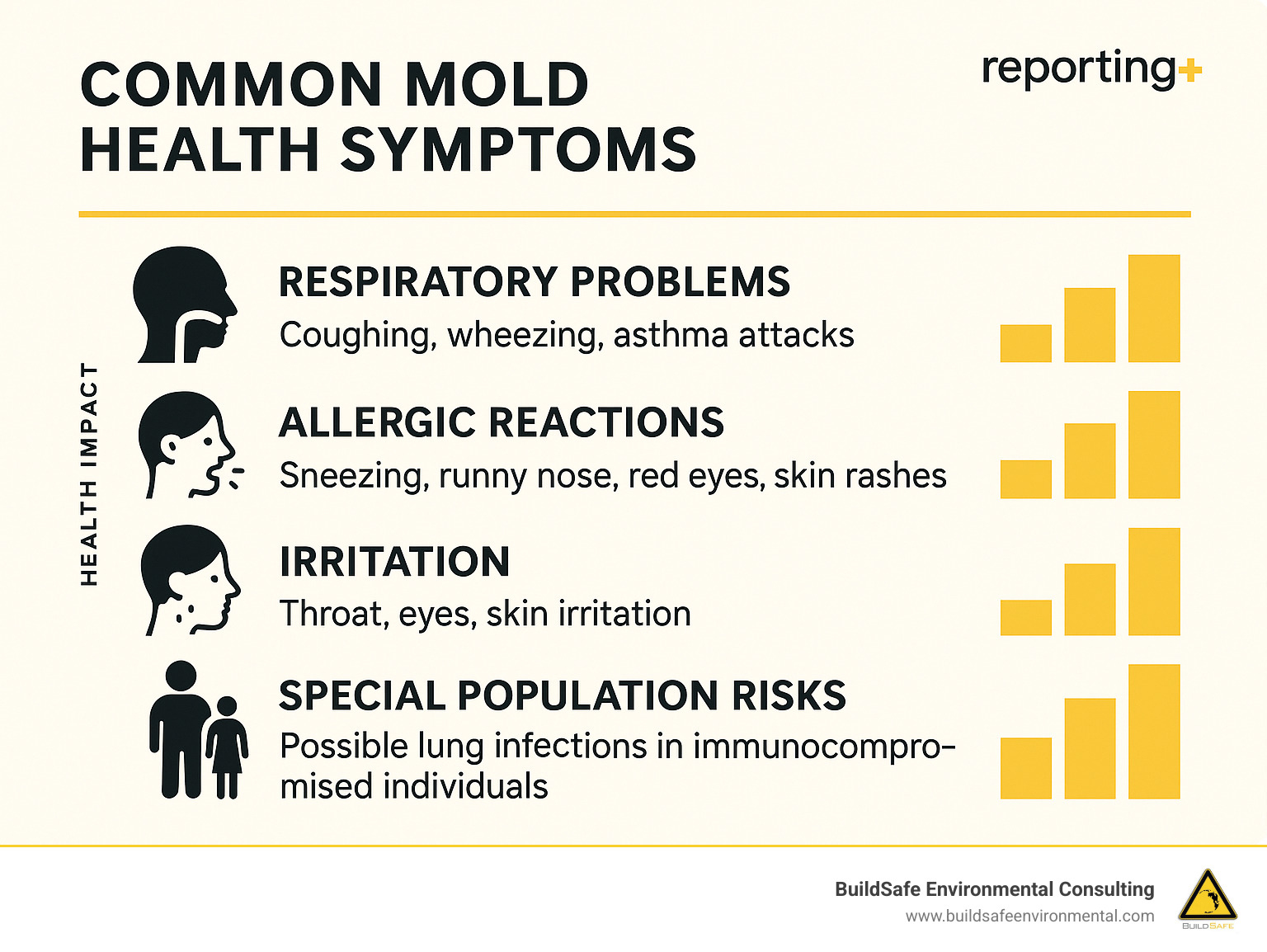
Ever wonder what mold really is? It’s actually a type of fungus that spreads by releasing tiny spores into the air—microscopic particles that float around us all the time, both inside and outside our homes. When these little travelers land on a damp spot with something to eat, they settle in and start multiplying.
Here in Colorado, we face some unique mold challenges. Our snowy winters, spring floods, and summer thunderstorms create plenty of opportunities for unwanted moisture to sneak into our homes. Yet our typically dry climate often fools homeowners into thinking moisture isn’t a concern. Add to that our modern energy-efficient homes with reduced ventilation, and you’ve got perfect conditions for mold when water does make an appearance.
Where Does Mold Come From?
Those invisible mold spores are constantly floating in the air around us. Every time you crack open a window on a beautiful Colorado day, you’re unknowingly inviting these microscopic visitors inside. Your HVAC system can act like a mold highway too, drawing outdoor spores through vents and into your living spaces.
Even your four-legged family members play a part—pets can carry mold spores on their fur, just as you might bring them home on your clothing after a hike in the mountains. Sometimes, the building materials used in your home already contain mold spores when they’re installed.
It’s worth noting that a 2017 study found mold present in every public building examined, with an average of 14 instances per building. Our homes are no different—these spores are simply part of our natural environment.
The Perfect Storm for Growth
While mold spores might be everywhere, they won’t start growing without the right conditions. Think of it as needing all the ingredients for a recipe:
Moisture is the most critical factor—without water, mold simply can’t grow. This moisture can come from obvious sources like leaks or flooding, but also from everyday activities like cooking, showering, or even breathing.
Food sources are plentiful in our homes. Mold isn’t picky—it’ll happily feed on wood, paper, carpet fibers, food scraps, and even the dust in your air ducts.
Comfortable temperatures between 40°F and 100°F make mold feel right at home—which, unfortunately, describes the temperature in most of our houses year-round.
Still air allows moisture to accumulate rather than evaporate, creating humid pockets where mold thrives.
Time is the final ingredient. Given all the above conditions, mold can begin growing in just 24-48 hours after water exposure.
The EPA suggests keeping indoor humidity below 60% (ideally between 30-50%) to discourage mold growth. When relative humidity creeps above 60%, your risk increases significantly. In Colorado’s climate, maintaining proper humidity can be tricky, especially during seasonal changes or in homes with basements or crawl spaces.
As the CDC plainly states, “Without water, mold cannot survive,” highlighting why moisture control is your number one defense.
That 24-48 hour window after water damage is critical. At BuildSafe Environmental Consulting, we often remind our clients that this brief period is your opportunity to prevent mold in the home health risks before they begin. Quickly drying water-damaged areas can mean the difference between a simple cleanup and an expensive remediation project that disrupts your life and potentially impacts your family’s health.
Mold in the Home Health Risks: Who Is at Risk & Symptoms
Mold in the home health risks touch all of us differently, like how siblings can eat the same meal but only one gets sick. Your health status, the type of mold lurking in your home, and how much time you spend breathing it in all play crucial roles in determining how your body might react.
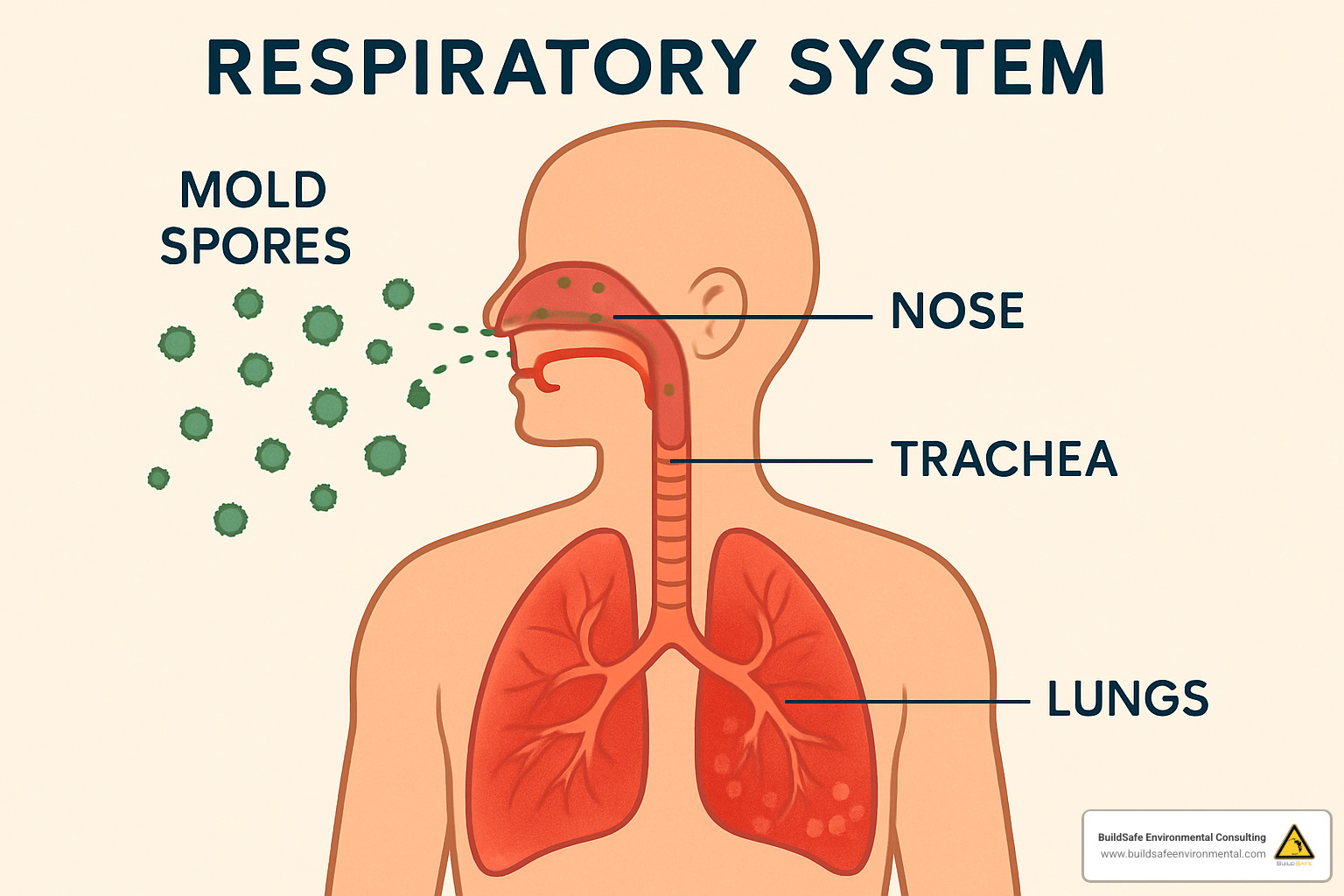
When mold spores enter your body, they can affect you in several ways. For many folks, they trigger allergic reactions – the sneezing and watery eyes we often associate with pollen season. But mold doesn’t stop there. It can also act as an irritant, making your skin, eyes, and throat uncomfortable even if you’re not typically sensitive to allergens. More concerning are the toxic effects from mycotoxins that certain molds produce, which might lead to more serious health issues. In rare cases, particularly for those with weakened immune systems, molds can even cause infections.
A sobering study from 2012 looking at 31 European countries found mold growing in one out of every six homes. That’s a lot of families potentially breathing in something that could make them sick.
Common Symptoms of Mold in the Home Health Risks
“I just thought I had a cold that wouldn’t go away,” Sarah from Nashville told us. She and her husband Gary had recently bought their first home when they noticed a persistent musty smell. “I started having these terrible headaches, and our son’s asthma got so much worse. We finally found widespread mold from poorly installed window flashing. After getting it professionally removed, our symptoms disappeared within weeks.”
Stories like Sarah’s are all too common in our line of work. The body often signals mold exposure through respiratory symptoms like wheezing, coughing, and feeling like you can’t catch your breath. Your nose might run constantly, or you might feel perpetually stuffed up with sinus congestion. Red, watery eyes are another telltale sign, as are unexplained rashes on your skin.
Many people also report sore throats that never seem to heal, persistent headaches, and a level of fatigue that feels out of proportion to their activity level. Perhaps most frustrating is the brain fog – that feeling where you walk into a room and immediately forget why you’re there, or struggle to find words in conversation.
Emerging research has even linked prolonged mold exposure to mental health concerns. A review of 19 different studies found connections between living with mold and increased stress, depression, and anxiety. Scientists are also finding that mold exposure can raise inflammatory markers in your blood, like C-reactive protein, potentially contributing to body-wide inflammation that affects multiple systems.
High-Risk Populations
While anyone can react negatively to mold, certain groups need to be especially vigilant.
Infants and young children top this list because their little lungs are still developing, making them more vulnerable to irritants in the air. At the other end of the age spectrum, elderly individuals face increased risk as their immune systems naturally become less robust with age.
If you already have asthma, COPD, or allergies, mold exposure often acts like throwing gasoline on a fire – dramatically worsening symptoms you’ve worked hard to keep under control. Those with compromised immune systems from conditions like HIV/AIDS, cancer treatment, or anti-rejection medications after organ transplants face particularly serious risks, including potential infections from mold that wouldn’t affect healthier individuals.
Interestingly, some people may be genetically predisposed to react more strongly to mold exposure. And pregnant women should take extra precautions, as some research hints at potential developmental concerns from significant exposure during pregnancy.
As the CDC plainly states, “people with asthma, allergies, or other breathing conditions may be more sensitive to mold.” In our experience at BuildSafe Environmental Consulting, these individuals often serve as the “canary in the coal mine” – their symptoms appearing first and most severely when mold is present, even in amounts that might not immediately affect others in the household.
Understanding these risks isn’t about creating fear, but empowering you to recognize potential problems early and take appropriate action to protect yourself and your loved ones. When it comes to mold in the home health risks, knowledge truly is your best defense.
Detecting Mold: Signs, Testing, and When to Call Experts
Identifying mold in your home is the first step toward addressing potential health risks. While some mold growth is obvious, other infestations may remain hidden behind walls, under floors, or in other concealed spaces.
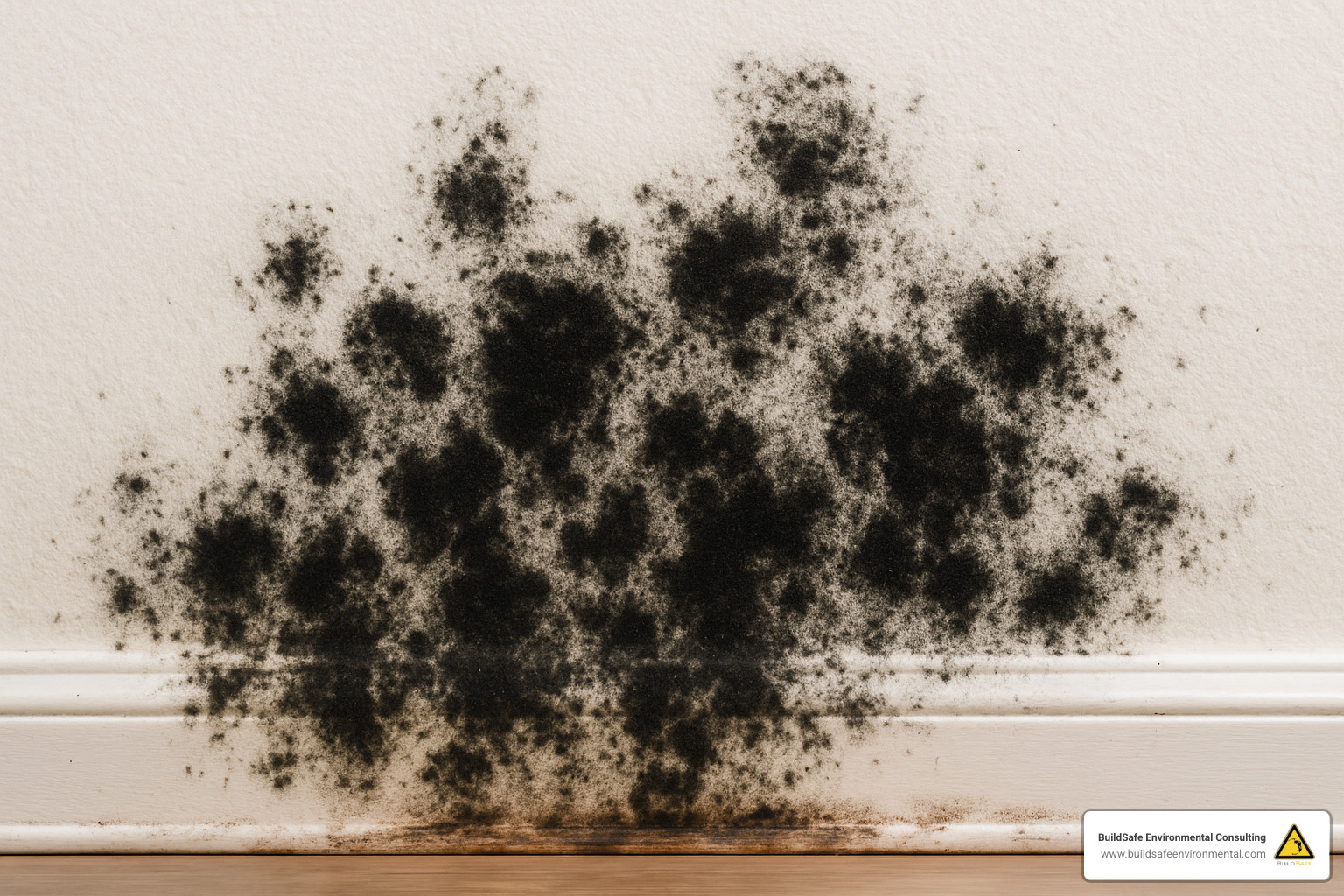
Visual & Olfactory Clues
You don’t need fancy equipment to spot the first signs of mold. Your eyes and nose are often your best tools. When I inspect homes, I’m always on the lookout for telltale discoloration—those black, green, white, or brown patches that signal trouble. The texture matters too; mold often appears fuzzy, velvety, or slimy on surfaces.
That distinctive musty smell is another giveaway. Many homeowners describe it as reminiscent of “old socks” or “wet newspaper.” If you notice this odor persisting in certain areas of your home, it’s worth investigating further.
As the CDC simply puts it: “Mold can look like spots of many different colors, and it can smell musty. If you see or smell mold, you should remove it.”
When checking your home, focus on moisture-prone areas first. Bathrooms (especially around showers), kitchens (particularly under sinks), basements, and the spaces around windows often harbor hidden growth. Don’t forget to look behind furniture against exterior walls and under carpets that might have gotten wet.
| DIY Mold Detection | Professional Assessment |
|---|---|
| Visual inspection | Advanced moisture meters |
| Smell identification | Thermal imaging cameras |
| Home test kits | Air sampling equipment |
| Limited to accessible areas | Can detect hidden mold |
| No species identification | Laboratory analysis of species |
| No quantitative measurement | Spore count quantification |
| Cost: $10-50 | Cost: $300-1000+ |
Is Testing Necessary for Mold in the Home Health Risks?
“Do I really need to test for mold?” It’s a question I hear almost daily, and the answer isn’t as straightforward as you might think.
Many health departments, including the CDC, don’t actually recommend routine mold testing. There’s solid reasoning behind this: we don’t have established federal standards for “acceptable” mold levels, mold spores are naturally present everywhere, and regardless of the type or amount of mold, the action remains the same—remove it and fix the moisture problem.
The New York State Department of Health takes a practical stance: “Testing is not recommended or required; instead, fix water problems and remove mold regardless of species.”
That said, at BuildSafe Environmental Consulting, we’ve seen many situations where professional mold testing provides valuable information. If you’re experiencing unexplained health symptoms that improve when you leave home, you might want confirmation that mold is the culprit. Testing can also provide essential documentation for insurance claims or real estate transactions.
I often meet homeowners who’ve tried DIY test kits with disappointing results. Most store-bought kits only confirm mold’s presence without telling you if levels are abnormal. As one of my colleagues bluntly puts it, “DIY mold testing kits are a waste of money and do not answer whether mold levels are normal or abnormal.”
Professional testing offers much more comprehensive information through air sampling, surface sampling, and moisture mapping. These methods can identify the extent of the problem and the specific species involved, which might matter if you’re dealing with health concerns.
One word of caution: be wary of ERMI (Environmental Relative Moldiness Index) testing for routine home assessment. The EPA notes this method was developed for research purposes and isn’t validated for determining if a home is safe.
If you’re wondering what professional testing entails, you can learn more about what to expect during professional mold testing on our blog.
Mold in the home health risks are too important to guess about. Whether you test or simply address visible problems, taking action quickly helps protect both your property and your family’s health.
Removing Mold Safely vs. Hiring the Pros
Once you’ve spotted mold in your home, you’ll need to decide whether to tackle it yourself or call in the experts. This choice really comes down to how big the problem is, what surfaces are affected, and your own health situation.
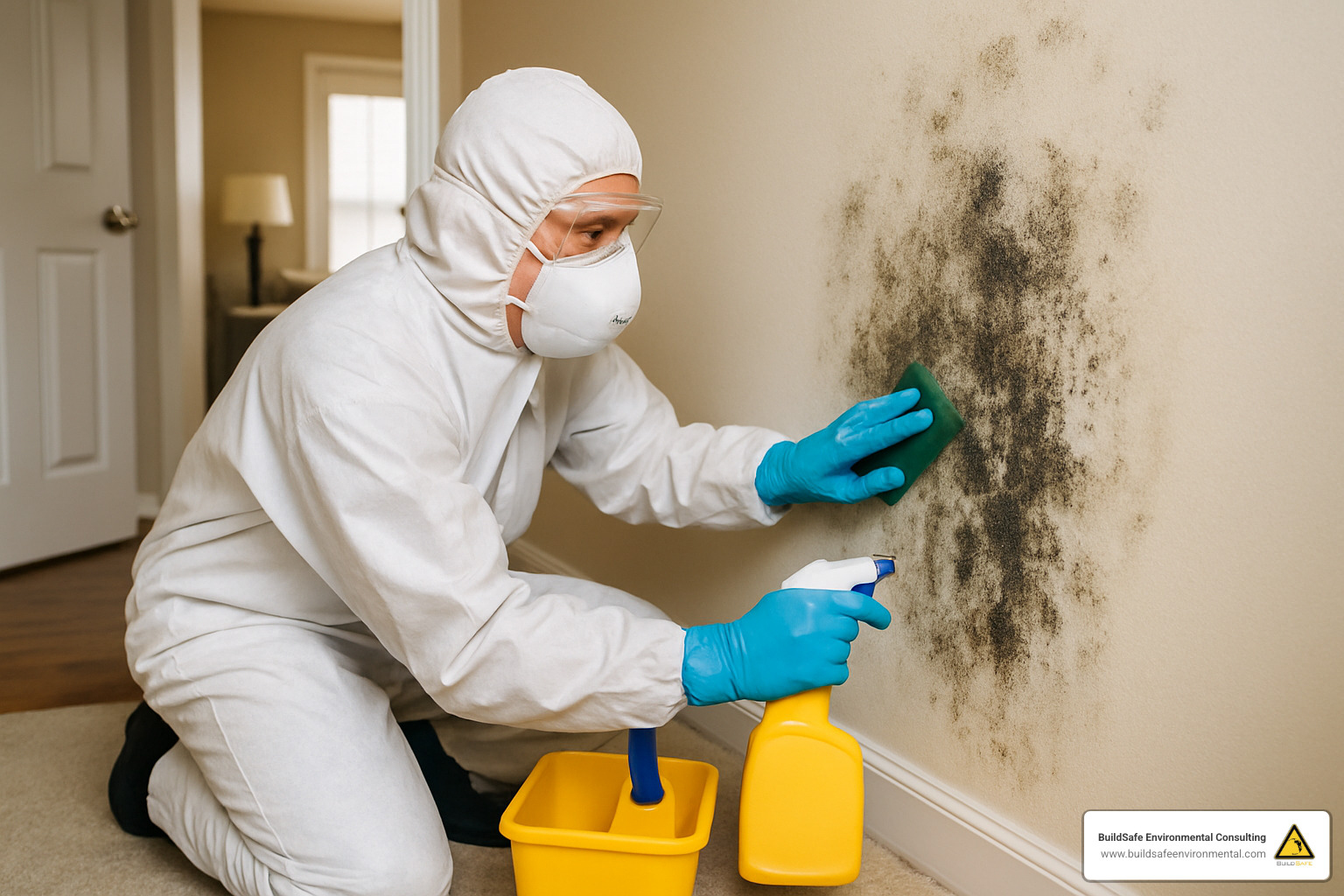
Safe DIY Cleanup Steps
For smaller mold problems (under about 10 square feet – think a patch roughly 3′ × 3′), you can often handle the cleanup yourself. Just remember, safety first!
Before you grab that scrub brush, make sure you’ve fixed the source of moisture. There’s no point cleaning mold if it’s just going to come right back because of that leaky pipe or humid basement.
When you’re ready to clean, close off the area from the rest of your home. You don’t want those spores traveling to other rooms while you’re disturbing them. Throw on some protection – an N-95 respirator (not just a dust mask), gloves, and eye protection. Your lungs will thank you later!
For hard, non-porous surfaces like glass, metal, or plastic, a simple solution of detergent and water often does the trick. If you prefer using bleach, mix about 1 cup of household bleach with a gallon of water. Just remember what my grandmother always said: “Never mix bleach with ammonia or other cleaners unless you fancy a trip to the emergency room!” Open those windows for fresh air while you’re at it.
Porous materials like carpet, ceiling tiles, and drywall present a bigger challenge. Truth be told, if they’re moldy, you’ll probably need to toss them. Mold sends its tiny tendrils deep into these materials, making complete removal nearly impossible. If you clean and the mold keeps coming back, that’s your sign these materials need to go.
After cleaning, drying thoroughly is crucial. Mold in the home health risks persist when moisture remains, so use fans, dehumidifiers, or whatever it takes to get everything bone dry.
When Professional Remediation Makes Sense
Sometimes DIY just won’t cut it. At BuildSafe Environmental Consulting, we’ve seen well-intentioned homeowners make situations worse by disturbing large mold problems without proper containment.
Professional help makes sense when:
The mold covers more than 10 square feet. That basketball-sized patch on your ceiling? Probably time to call someone.
You’re dealing with black water contamination (like sewage backups or flood water). These situations bring additional health hazards beyond just mold.
Your HVAC system has become a mold farm. Once mold gets into your heating and cooling system, it can spread spores throughout your entire home.
The mold has damaged structural elements like floor joists or wall studs. This isn’t just a cleaning issue anymore – it’s potentially compromising your home’s integrity.
Health concerns are in play. If you or family members have asthma, allergies, or immune system issues, exposure during cleanup could trigger serious health problems.
You’ve already tried cleaning it yourself, but the mold keeps saying “I’ll be back” like a fungal Terminator.
Professional mold remediation isn’t just someone showing up with stronger cleaning products. It’s a systematic process that begins with thorough inspection and assessment to find all affected areas and moisture sources. Proper containment keeps spores from spreading during removal. HEPA air filtration captures airborne spores, and professionals know which materials can be cleaned and which must be removed.
After the physical remediation, the area needs to be completely dried and restored with new materials as needed. And here’s where I’ll get on my soapbox for a moment: always get third-party verification after remediation. When the same company does both the cleanup and the testing, there’s an obvious conflict of interest. At BuildSafe, we specialize in this independent verification to ensure the job was done right.
For those interested in industry standards, the New York City Department of Health and Mental Hygiene provides excellent guidelines on assessment and remediation that many professionals nationwide follow.
The goal isn’t just to remove visible mold – it’s to create a healthy living environment free from mold in the home health risks. Sometimes that means bringing in the pros who have the training, equipment, and experience to handle the job safely and completely.
Preventing Mold and Staying Compliant
The best approach to mold in the home health risks is prevention. By controlling moisture and implementing proper home maintenance practices, you can significantly reduce the likelihood of mold growth.
Moisture-Proofing Your Home
When I visit homes in Colorado, I often tell homeowners that fighting mold is really about fighting moisture. Think of water as mold’s best friend – where one goes, the other follows.
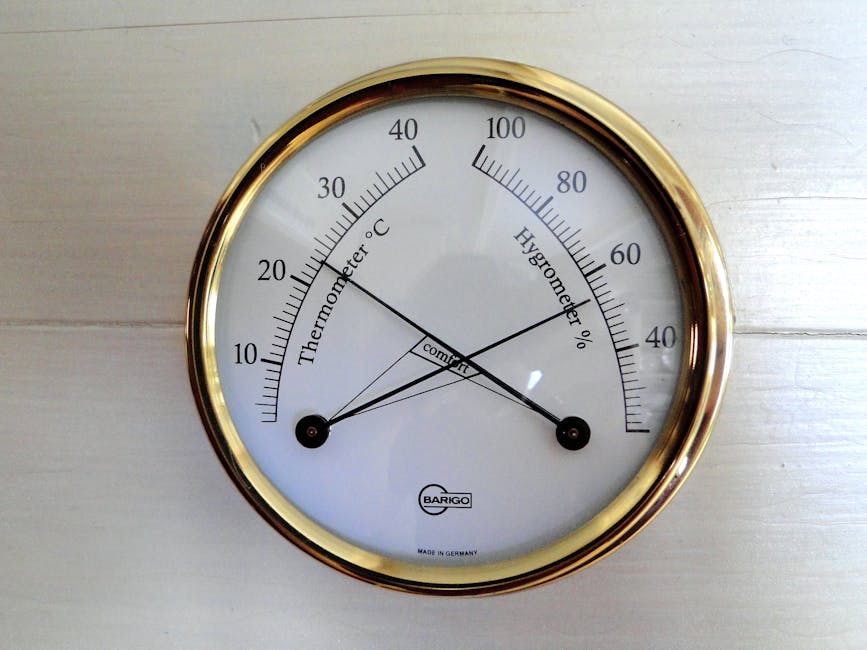
Controlling indoor humidity is your first line of defense. Aim to keep your home’s relative humidity between 30-50% – a hygrometer (like the one in the image above) can help you monitor this. In damper areas of your home, a dehumidifier can work wonders. During humid summer months, your air conditioner isn’t just keeping you cool – it’s also pulling moisture from the air.
Those bathroom exhaust fans aren’t just for removing odors! Running them during and after showers prevents steam from condensing on surfaces where mold loves to grow. The same goes for kitchen fans when cooking – they help vent moisture-laden air outside.
“I never realized how important my bathroom fan was until I skipped using it for a few weeks,” shared Maria, a Denver homeowner. “The ceiling paint started bubbling, and sure enough, there was mold starting to grow. Now I run it for at least 20 minutes after every shower.”
Water intrusion prevention is equally crucial. Those small roof or plumbing leaks you’ve been meaning to fix? They’re creating the perfect mold nursery. In Colorado’s climate, our rapid snowmelt and summer thunderstorms can overwhelm drainage systems if gutters aren’t clean and downspouts aren’t directing water away from your foundation.
The ground around your home should slope away from the foundation, not toward it. I’ve seen many homes where improper grading led to basement water issues – and where there’s water, mold often follows.
Improving ventilation throughout your home helps keep air moving and surfaces dry. When weather permits, open windows to create cross-ventilation. If you use a clothes dryer, make sure it vents outdoors rather than into an attic or crawlspace.
The EPA puts it perfectly: “The key to mold control is moisture control. If mold is a problem in your home, you must clean up the mold and eliminate sources of moisture.”
Consider using mold-resistant building materials during renovations or repairs. Mold-resistant drywall, paint with mold inhibitors, and appropriate insulation materials can provide an extra layer of protection, especially in bathrooms, kitchens, and basements.
Regular home maintenance might not be exciting, but it’s effective. Inspect your home periodically for leaks and moisture issues, paying special attention to areas where water naturally collects. Keep HVAC drip pans clean and flowing properly. And think twice before installing carpeting in moisture-prone areas like basements – hard flooring is typically a better choice.
In Colorado’s unique climate, we face special challenges that can sometimes mask ongoing moisture problems. Our dry conditions might make you think moisture isn’t an issue, but swamp coolers can introduce excess humidity, and our intense summer storms can quickly overwhelm drainage systems.
Learn more about the top signs of mold in your home
Know Your Rights as a Renter
Renting doesn’t mean you have to live with mold problems. Understanding your rights can help you address issues before they impact your health.
Landlords are responsible for providing habitable living conditions in most jurisdictions. This includes addressing mold problems that stem from structural issues like leaky roofs, faulty plumbing, or inadequate ventilation systems.
As a tenant, you have responsibilities too. Proper home maintenance falls partly on your shoulders – using bathroom fans, promptly reporting leaks, and maintaining reasonable cleanliness all help prevent mold growth. One property manager I work with says the biggest issue is unreported small leaks that turn into major mold problems over time.
If you spot mold in your rental, follow a clear communication protocol. Start by notifying your landlord in writing – a text message might seem convenient, but an email or letter creates a better paper trail. Take clear photos of the problem areas and keep records of all communications. Most reasonable landlords will address legitimate concerns, but they need a fair timeline to respond and arrange for remediation.
“After finding mold in my bathroom ceiling, I notified my landlord immediately with photos,” shared Chris, a tenant in Boulder. “They had a plumber fix the leak within 48 hours and scheduled remediation the following week. The key was documenting everything and understanding my rights.”
If your landlord fails to address significant mold problems, you have options for recourse. Your local health department can often provide guidance or even inspection services. Tenant rights organizations exist in many communities to offer advice specific to your situation. In cases where mold is causing health issues, consulting with an attorney might be appropriate.
While Colorado doesn’t have specific mold regulations for rental properties, the warranty of habitability laws require landlords to maintain properties in livable condition. This implicitly includes addressing significant mold problems that could affect health and safety.
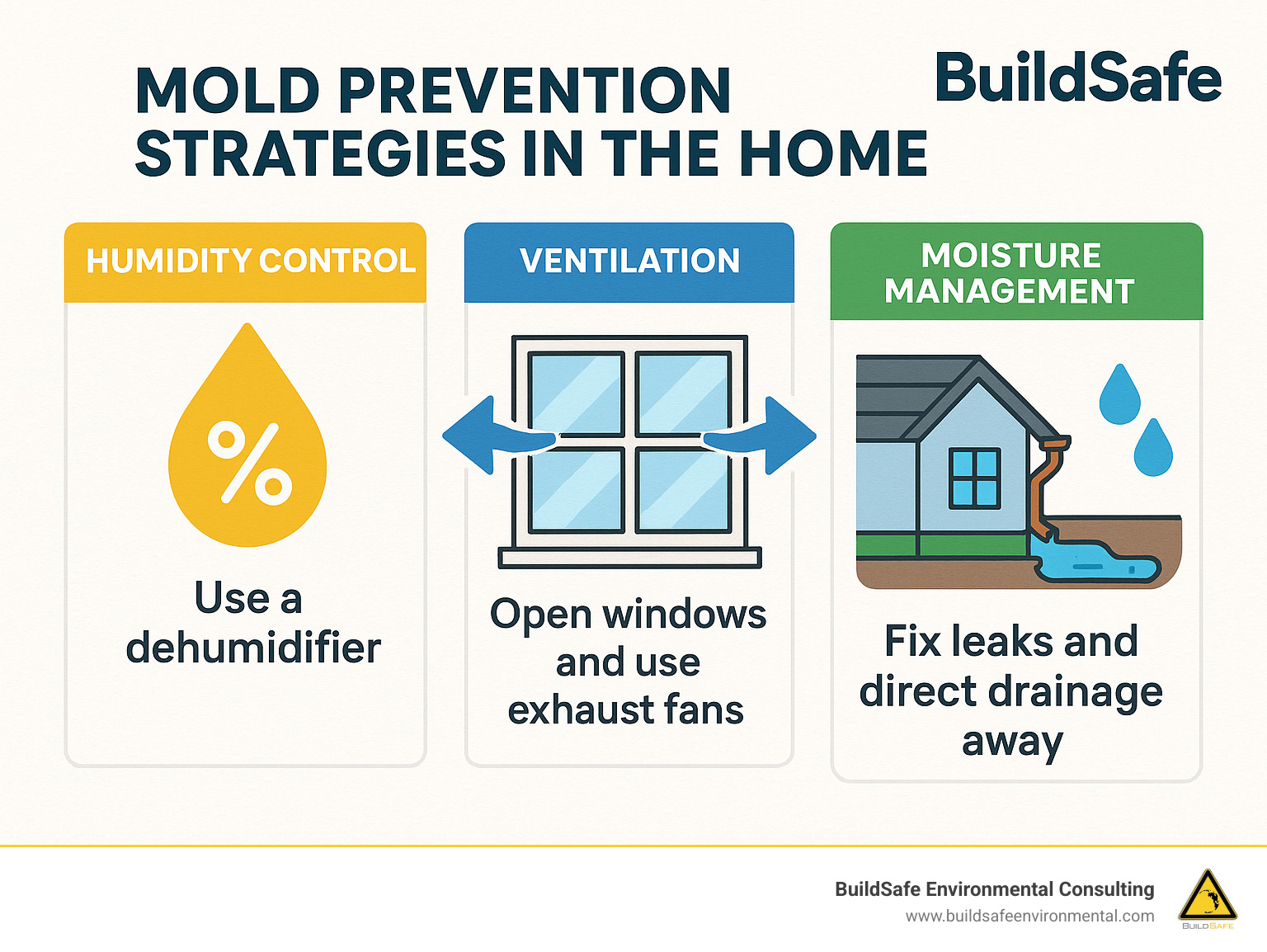
At BuildSafe Environmental Consulting, we believe that understanding how to prevent mold is just as important as knowing how to address it once it appears. By taking proactive steps to control moisture in your home, you’re not just preventing potential damage to your property – you’re protecting your family’s health.
Frequently Asked Questions about Mold in the Home Health Risks
What makes “black mold” different from other species?
When people hear “black mold,” many imagine a uniquely dangerous threat lurking in their homes. But is this reputation deserved? Not exactly.
The infamous black mold (Stachybotrys chartarum) certainly looks intimidating with its dark greenish-black color and slimy texture when wet. It typically grows on materials with high cellulose content—like drywall, wood, or paper—but only when these materials stay consistently damp for longer periods than many other molds require.
Despite what you might have heard, the Cleveland Clinic makes it clear: “Black mold is not more dangerous than other mold types despite its reputation.” While Stachybotrys can produce mycotoxins under certain conditions, so can many other less-feared mold species that might be growing in your home.
The CDC has even debunked one of the most frightening claims about black mold, stating there is “no evidence linking black mold exposure to acute idiopathic pulmonary hemorrhage in infants.”
The reality? Any substantial mold growth deserves attention, regardless of color. The extent of the growth and your individual sensitivity matter far more than whether the mold happens to be black. Don’t panic specifically about black mold—but do address all significant mold problems promptly.
How fast can mold begin to grow after a leak?
Water damage waits for no one. If you’ve experienced a leak or flood, the clock starts ticking immediately on potential mold in the home health risks.
Most people are shocked to learn that mold can begin growing in as little as 24-48 hours after a water event. You won’t see it yet, but microscopic growth has already begun. By the 1-2 week mark, visible colonies often appear, and after 2-3 weeks of favorable conditions, you could be facing extensive colonization.
“In flood situations, we’ve seen visible mold growth within 72 hours when no drying efforts were made,” shared one restoration professional we work with at BuildSafe. “That’s why we consider water damage an emergency requiring immediate response.”
Several factors affect how quickly mold takes hold:
– Warmer temperatures accelerate growth
– Higher humidity levels speed colonization
– Porous materials like drywall support faster growth
– Areas with poor ventilation create perfect conditions
The CDC puts it plainly: “Drying water-damaged areas and items within 24–48 hours is critical to preventing mold growth.”
This rapid timeline explains why water damage restoration companies respond with such urgency. That slow leak behind your dishwasher isn’t just a minor inconvenience—it’s a mold colony in waiting.
Can air purifiers solve mold in the home health risks?
Air purifiers are often marketed as a solution for mold problems, but they’re only part of the picture. Think of them as helpful assistants rather than complete solutions.
A quality HEPA air purifier can indeed capture airborne mold spores, which typically range from 1-30 microns in size. This can help reduce symptoms for sensitive individuals and improve overall air quality. But here’s what air purifiers can’t do: they cannot remove mold growing on surfaces, and they do not address the underlying moisture problem that’s causing the mold in the first place.
The Cleveland Clinic confirms this limitation: “Air purifiers remove spores from the air but cannot eliminate mold on surfaces.”
If you’re using air purifiers as part of your mold management strategy, keep these tips in mind for best results:
– Choose units with true HEPA filtration (not “HEPA-like”)
– Make sure the unit is properly sized for your space
– Replace filters regularly—clogged filters become ineffective
– Position units strategically in problem areas
– Keep them running consistently, especially during humid seasons
Air purifiers work best as part of a comprehensive approach that includes fixing moisture sources, removing existing mold, and maintaining appropriate humidity levels. They’re a helpful supplement to proper remediation—not a replacement for it.
In my years of environmental consulting, I’ve seen too many clients rely solely on air purifiers while active mold continued growing behind their walls. Address the source of the problem first, then let air purifiers help maintain the clean environment you’ve created.
Conclusion
Mold in the home health risks aren’t just a property issue—they’re a health concern that deserves our serious attention. Throughout this guide, we’ve explored how these microscopic invaders can affect everything from your next breath to your long-term health.
I’ve spent years helping Colorado homeowners understand and address mold problems, and if there’s one thing I’ve learned, it’s that knowledge truly is power when facing these challenges.
The journey through mold awareness starts with accepting a simple truth: mold spores are everywhere around us. They float through our open windows, hitch rides on our pets, and wait patiently for the right conditions to flourish. But while we can’t eliminate spores entirely, we absolutely can control whether they grow into colonies that threaten our health.
Your body’s response to mold exposure is uniquely yours. Some people notice nothing at all, while others—particularly children, elderly folks, those with asthma or compromised immune systems—may experience significant symptoms. This spectrum of sensitivity is why there’s no one-size-fits-all approach to mold problems.
The cornerstone of mold prevention is moisture management. As we like to say at BuildSafe: “No water, no mold.” Those first 24-48 hours after a water incident represent your golden opportunity to prevent a minor inconvenience from becoming a major health concern. A quick response to leaks, spills, or flooding can quite literally save you thousands of dollars and countless health worries.
While DIY approaches work for small mold issues, there’s real value in professional assessment when health symptoms persist, hidden mold is suspected, or you need documentation for insurance or real estate purposes. Our role as independent third-party testers means you get unbiased information without the inherent conflict of interest that comes when the same company both tests for and remediates mold.
Here in Colorado, our unique climate presents special challenges for mold management. Our dry air can mask moisture problems, while seasonal changes from winter snowmelt to summer thunderstorms create multiple opportunities for water intrusion. We understand these regional nuances and how they affect your home’s mold risk profile.
Mold in the home health risks become manageable when you’re armed with accurate information and proactive strategies. By understanding the warning signs, recognizing symptoms, and knowing when to call in professionals, you transform from reactive to proactive in protecting your indoor environment.
At BuildSafe Environmental Consulting, we’re committed to helping Colorado residents breathe easier—literally. Our fast, reliable environmental testing services provide the clarity you need to make informed decisions about your home and family’s health.
A healthy home isn’t just about what you can see—it’s also about what you can’t. When it comes to mold, addressing problems early isn’t just smart; it’s essential for creating the safe, healthy haven your family deserves.