Key Takeaways
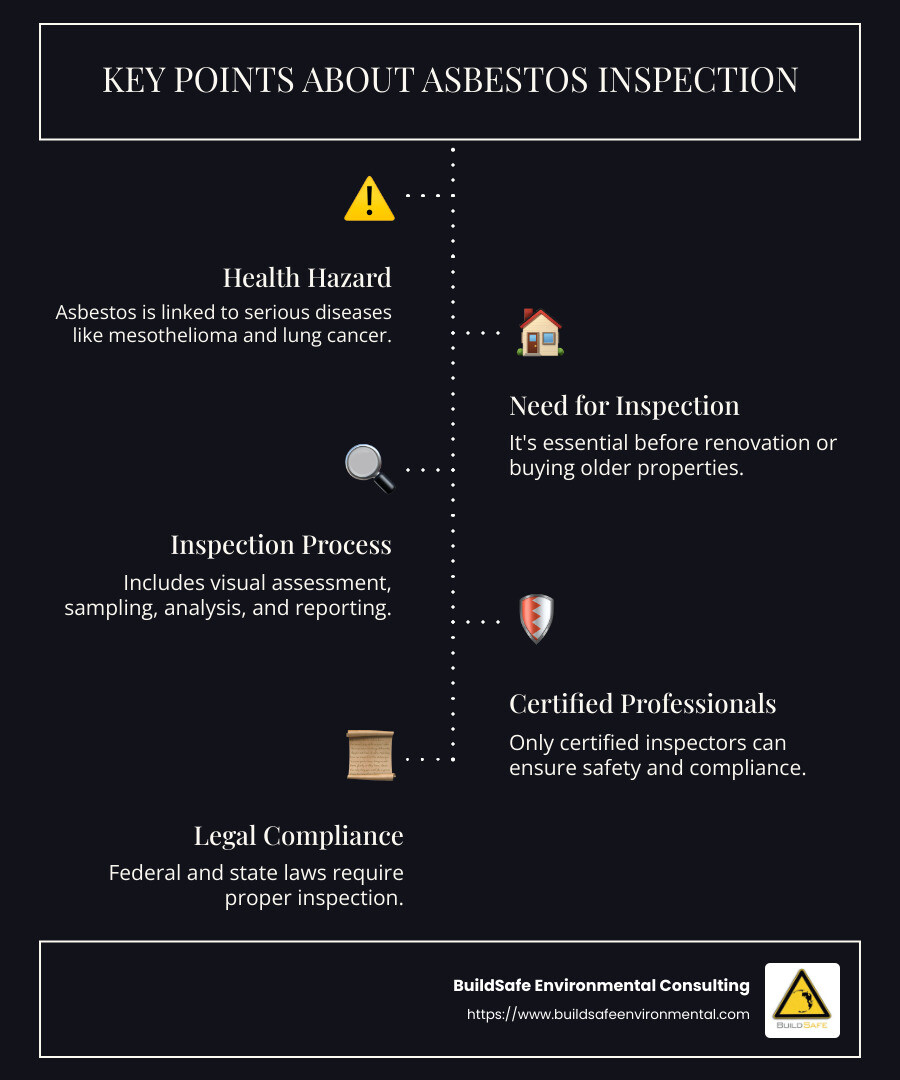
Asbestos inspection requirements ensure property owners identify hazardous materials before renovations, demolitions, or purchasing older buildings.
Certified asbestos inspection provides accurate testing and lab analysis to protect occupants from dangerous airborne fibers.
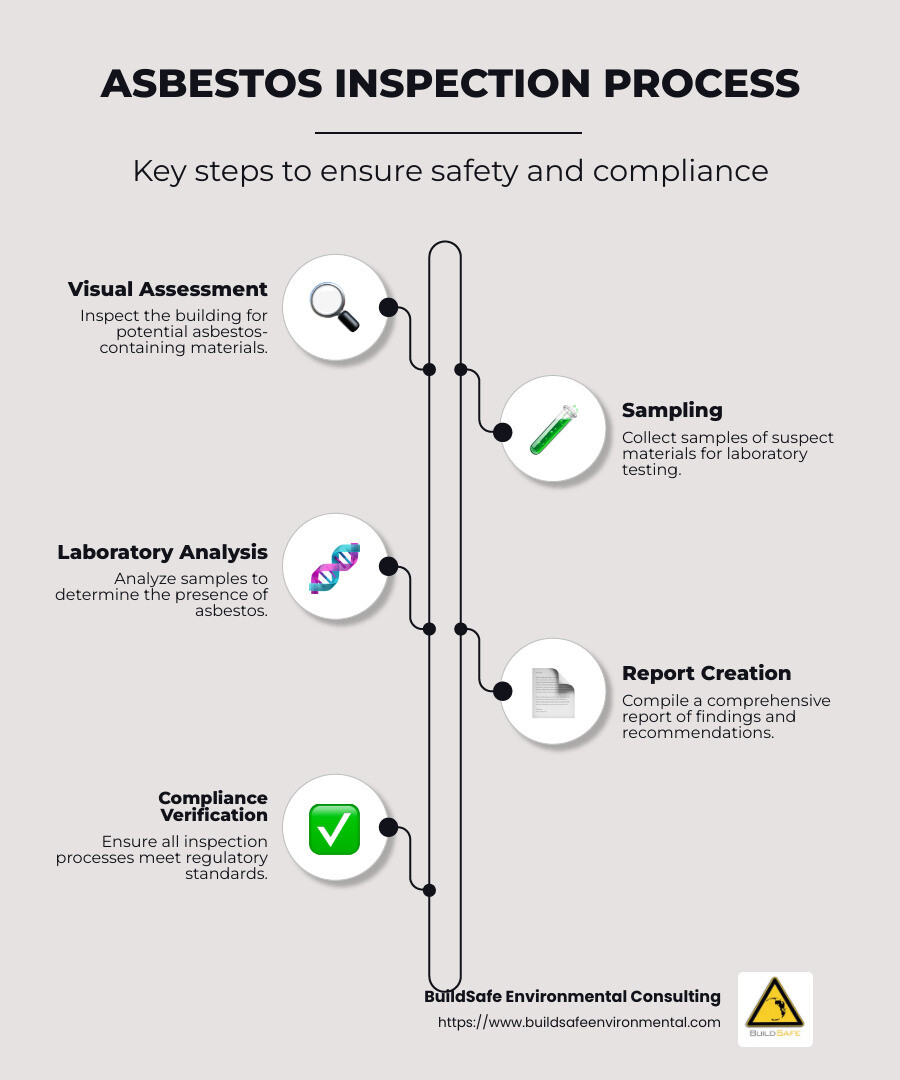
Asbestos inspection process includes visual assessment, sampling, and detailed reporting to help property owners make safe and compliant decisions.
Why Asbestos Inspection Is Essential for Your Home Safety
An asbestos inspection is a thorough examination of a building to identify materials containing hazardous asbestos fibers. It’s typically required before renovations, demolitions, or when buying older homes.
Here’s what you need to quickly know about asbestos inspections:
- What: Assessment identifying asbestos-containing materials (ACMs).
- When: Before renovations, demolitions, or property purchases (especially pre-1980 buildings).
- Who: Certified asbestos inspectors approved by local and federal agencies.
- Why: Protects your family’s health by preventing dangerous asbestos exposure.
- How Long: Inspections usually take hours to a few days; lab results take several additional days.
As a homeowner, asbestos isn’t something to take lightly. According to epidemiologist Marty Kanarek:
“You have to live with the legacy of the past, and the legacy here is all the asbestos is still in place. This epidemic is not going to end anytime soon.”
In this guide, we’ll simplify things and show you exactly what you need to know about asbestos inspections to keep your home and family safe.
I’m Craig Luckey, and as the owner of BuildSafe Environmental Consulting, I’ve performed hundreds of asbestos inspections across Colorado. My decade-long experience helps homeowners steer asbestos concerns quickly and effectively.
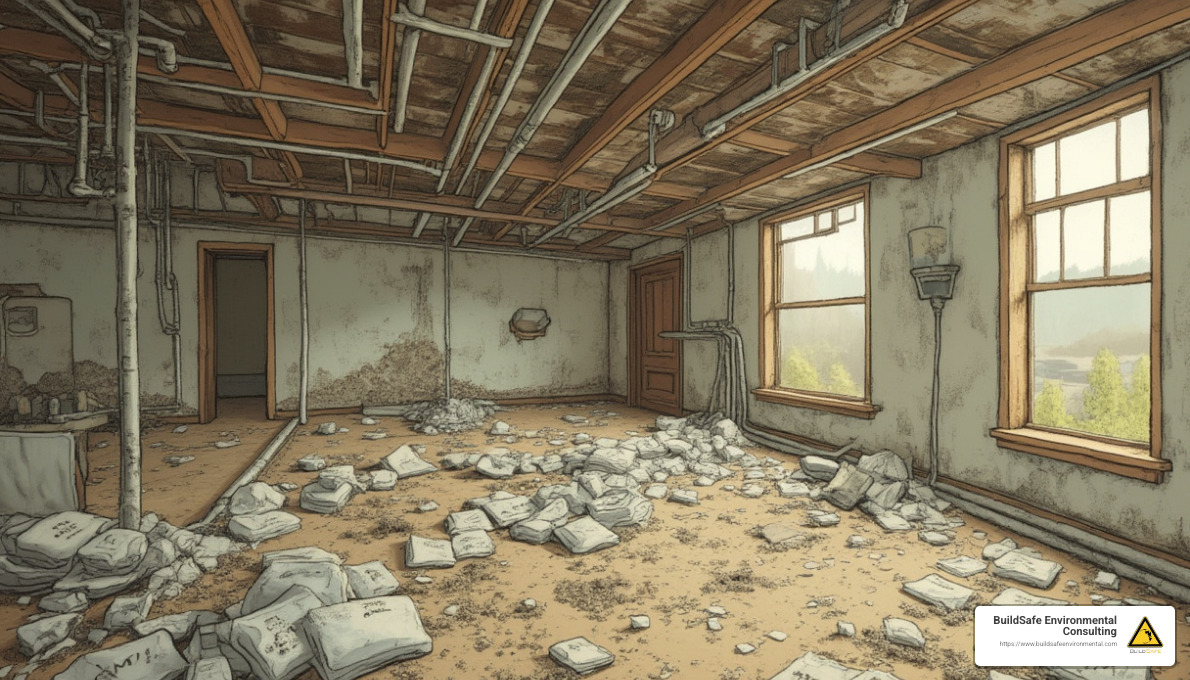
What is Asbestos and Why is it Hazardous?
Asbestos is a naturally occurring mineral that, for a long time, seemed almost too good to be true in the construction world. It’s tough, fire-resistant, and an amazing insulator. Because of these handy qualities, asbestos was widely used in building materials throughout much of the 20th century.
But there’s a catch—and it’s a big one.
The problem with asbestos is that it’s made up of microscopic fibers. These tiny fibers can become airborne when disturbed—like during renovations or demolitions—and easily find their way into our lungs. To give you an idea of just how small these fibers are, they’re about 0.01 microns thick—that’s roughly 18,000 times thinner than a human hair!
Jack Leonard, President of an environmental management institute, puts it simply:
“Too many times with asbestos, the hazards are underestimated. If there is going to be what I call a ‘dusty operation’ in an older home or building, you don’t want to do that without having it checked first. And leave abatement to the professionals.”
When inhaled, these tiny asbestos fibers can trigger serious, even life-threatening diseases. One of these is mesothelioma, an aggressive type of cancer affecting the lining of the lungs, heart, or abdomen. Another is lung cancer, which asbestos exposure makes far more likely—especially if you’re a smoker.
Other conditions include asbestosis, a chronic lung disease that scars lung tissue, making breathing difficult, and pleural plaques, thickened patches forming on the lung lining, restricting proper breathing.
Perhaps the most troubling thing about asbestos-related diseases is their sneaky latency period. Symptoms typically don’t show up until 20–50 years after exposure. By the time many people realize there’s a problem, the damage has already been done.
The numbers speak for themselves. Every year in the U.S., around 3,000 people receive a mesothelioma diagnosis, and roughly 10,000 people lose their lives due to asbestos-related illnesses.
Here’s the bottom line: there’s no safe level of asbestos exposure. Even short-term or minor exposure can potentially cause major health problems down the road. That’s why scheduling an asbestos inspection before any renovation or demolition is crucial. It’s the first—and most important—step toward keeping you and your loved ones safe.
You can explore more about the health effects of asbestos exposure through the EPA’s scientific research page.
When is an Asbestos Inspection Necessary?
Knowing exactly when to arrange an asbestos inspection can seem confusing. But the truth is, it’s straightforward once you know what to watch for. The key is to plan ahead, both for your family’s health and for legal compliance.
Let’s walk through the main situations when scheduling an asbestos inspection isn’t just smart—it’s essential.
Before Renovations or Remodeling
If you have renovation dreams—maybe you’re updating your kitchen, remodeling the bathroom, or finally getting rid of that outdated popcorn ceiling—an asbestos inspection should be your first step. Whenever you’re dealing with home improvements that could disturb materials like walls, ceilings, insulation, or flooring, asbestos fibers might become airborne.
In fact, the Colorado Department of Public Health and Environment (CDPHE) legally requires an inspection before remodeling. Skipping this step can lead to hefty fines, project delays, and potentially dangerous exposure. So, before you start swinging hammers like you’re starring in your own reality TV show, make sure to get a professional inspection.
Prior to Demolition
When it’s time for demolition, an asbestos check isn’t just recommended—it’s mandatory. Federal laws, such as the EPA’s National Emission Standards for Hazardous Air Pollutants, require a thorough asbestos inspection for all demolitions, no matter how old the building is.
This law exists to keep harmful asbestos fibers from spreading into the environment, protecting workers, neighbors, and your community at large. Bottom line: demolition without inspection is a legal no-go.
When Purchasing an Older Property
Considering buying that charming Victorian or a mid-century fixer-upper? Homes built before 1980 have a higher risk of containing asbestos. While a standard home inspection usually doesn’t cover asbestos, adding this specialized inspection can save headaches—and money—later.
As property expert Kelly Winslow points out:
“If a buyer finds asbestos during their due diligence period, they may try to negotiate removal costs. However, there is no guarantee that the seller will agree to any negotiations.”
Getting an asbestos inspection early protects your health, gives peace of mind, and can even boost your negotiating position.
After Building Damage
Sometimes life throws curveballs—flooding, fires, storms—and these disasters can damage building materials that may contain asbestos. After significant damage, asbestos-containing materials (ACMs) can deteriorate rapidly, releasing dangerous fibers into the air.
If your home experiences a major event like flooding or fire, get an inspection right away. It’s a necessary step before any cleanup or restoration begins to keep your family safe from additional harm.
For Regulatory Compliance
Schools, public buildings, and certain commercial structures have additional inspection requirements. Federal regulations like AHERA (the Asbestos Hazard Emergency Response Act) require public and nonprofit schools to regularly inspect for asbestos, create detailed management plans, and perform re-inspections every three years.
These guidelines are in place because children are especially vulnerable to asbestos exposure. If you’re involved in maintaining or operating educational or public facilities, regular asbestos inspections aren’t optional—they’re a clear legal obligation. (Learn more from the EPA about Asbestos and School Buildings.)
When Visible Deterioration is Present
Lastly, if you ever notice damaged or deteriorating materials that might contain asbestos—like cracked floor tiles, crumbling pipe insulation, or damaged drywall—don’t just wait and see. An immediate inspection is essential to determine if asbestos is present and if it’s releasing fibers into your home.
Even minor damage could pose a real health threat if left unchecked. Professional inspectors can quickly determine if asbestos is present and advise you on safe next steps.
Buildings of all ages might contain asbestos, even homes from the 1990s. Here in Colorado, our team at BuildSafe Environmental Consulting often surprises homeowners when we find asbestos in newer properties. It’s always better to be cautious and arrange an asbestos inspection than to risk unnecessary exposure.
When in doubt, call in the professionals. Trust me—your lungs (and peace of mind) will thank you!
Common Building Materials That May Contain Asbestos
Asbestos can seem a little sneaky—lurking quietly in various building materials around your home without you even knowing. From the early 1900s until the late 1970s, asbestos was extremely popular due to its heat-resistant and durable qualities. Some products even contained asbestos into the early 1990s, meaning newer homes aren’t always free of risk either.
One of the most common places asbestos shows up is in insulation materials. For example, older homes frequently have asbestos-containing pipe insulation wrapped around heating and water pipes. Attic and wall insulation, especially loose-fill insulation nicknamed “Mr. Fluffy Asbestos,” was widely used for its insulation properties. You might also find asbestos in boiler insulation or HVAC duct insulation, helping homes retain heat—but unfortunately also presenting a significant risk.
Flooring is another prime hiding spot for asbestos. Vinyl floor tiles installed between the 1950s and the 1980s often contain asbestos fibers, as does the backing material in sheet vinyl flooring. Even the adhesives and mastics used to secure flooring tiles can contain asbestos. And yes, some of that vintage linoleum you thought was charming might contain asbestos as well.
Next, consider your walls and ceilings. Popcorn ceiling texture that was so trendy decades ago? Unfortunately, popcorn ceilings frequently contain asbestos. Drywall joint compounds and textured wall paints were also commonly made with asbestos. In older homes, even plaster and acoustic ceiling tiles—even those in drop ceilings—can contain asbestos.
On the outside of your home, asbestos was often used in roofing and siding products because of its durability and resistance to fire. Roofing shingles and roofing felt frequently included asbestos fibers, as did cement board siding and shingles. You could even find asbestos in clapboard siding and the putty around exterior window glazing—places you might never have suspected.
But asbestos hides in some other surprising places too. Furnace door gaskets and electrical panel partitions sometimes contain asbestos insulation. Vermiculite insulation, popular in attics, can have naturally occurring asbestos as well. Even artificial fireplace logs and embers in gas fireplaces have been known to contain asbestos fibers.
Another hidden spot? Cement water and sewer pipes were often manufactured with asbestos cement for added strength.
Now, it’s important to clarify that not every material listed above always contains asbestos. Without proper testing and analysis, it’s impossible to know for sure. As real estate expert Rinal Patel points out:
“Federal law does not require home sellers to tell buyers about the presence of asbestos in their homes. However, some states have passed laws that require sellers to disclose this information.”
This makes a professional asbestos inspection all the more essential, especially if you’re considering buying or renovating an older property. At BuildSafe Environmental Consulting, we’ve uncovered asbestos in places homeowners never would have guessed during our inspections across Denver, Longmont, Fort Collins, and throughout Colorado.
Fortunately, it’s not all doom and gloom. Building materials containing asbestos aren’t automatically dangerous. If these materials are in good condition, undamaged, and left undisturbed, they usually won’t release fibers into the air. As home inspection professional Kelly Winslow wisely notes:
“Many asbestos building materials are perfectly safe if they are not disturbed in a way that will release asbestos fibers into the air.”
But once these materials are damaged, deteriorating, or disturbed through renovation activities like drilling, sanding, or cutting, they can release dangerous asbestos fibers and put your health at risk. That’s exactly why scheduling a professional asbestos inspection before any renovation or demolition work is crucial—it helps protect your family’s health and ensures you stay safe.
The Asbestos Inspection Process Explained
If you’ve never had an asbestos inspection before, you might wonder how it works and what to expect. At BuildSafe Environmental Consulting, we’ve streamlined our process to be thorough yet easy to understand—giving homeowners in Colorado confidence and peace of mind about their property’s safety.
Here’s a friendly breakdown of exactly what happens during a professional asbestos inspection:
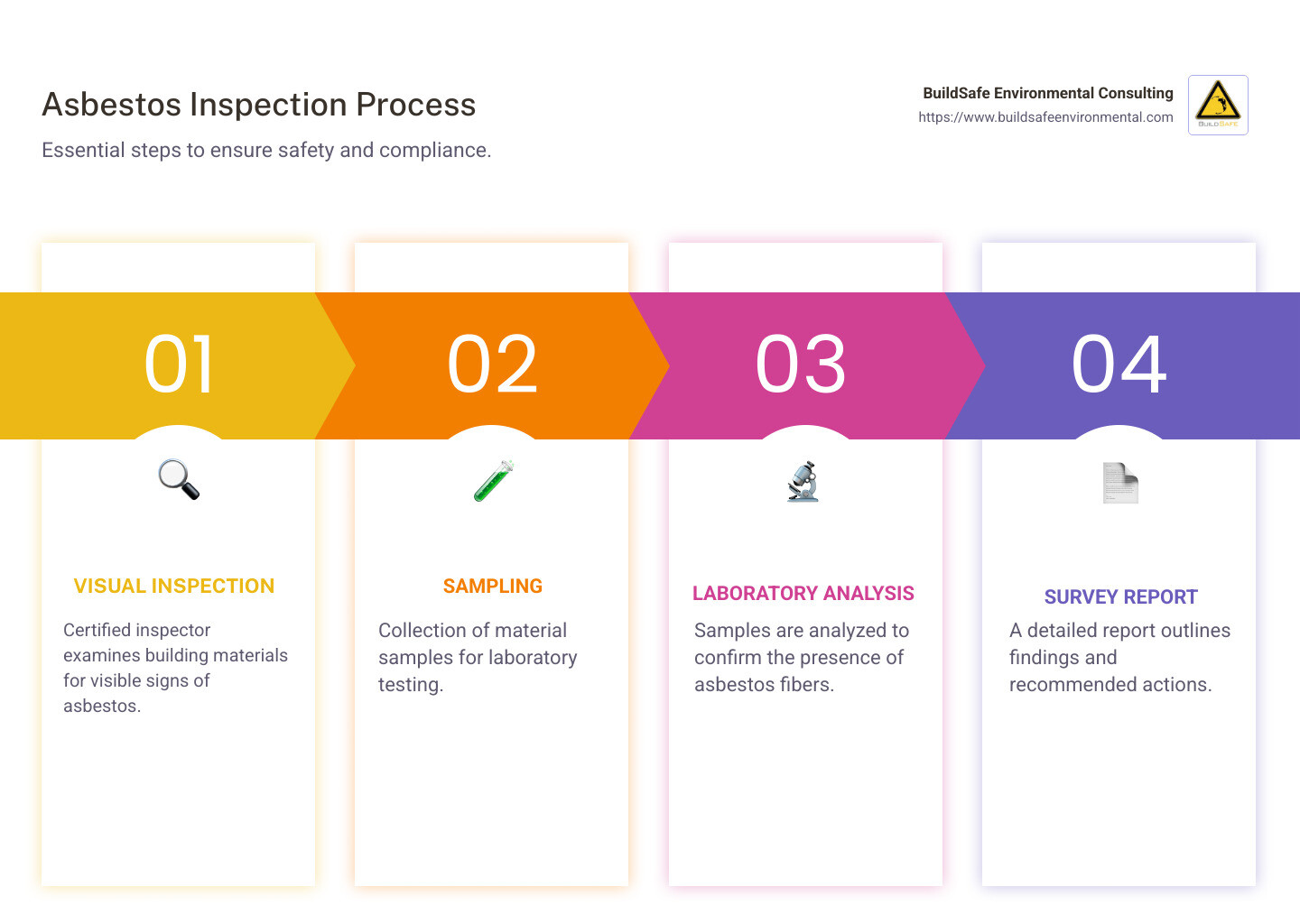
Initial Assessment and Visual Inspection
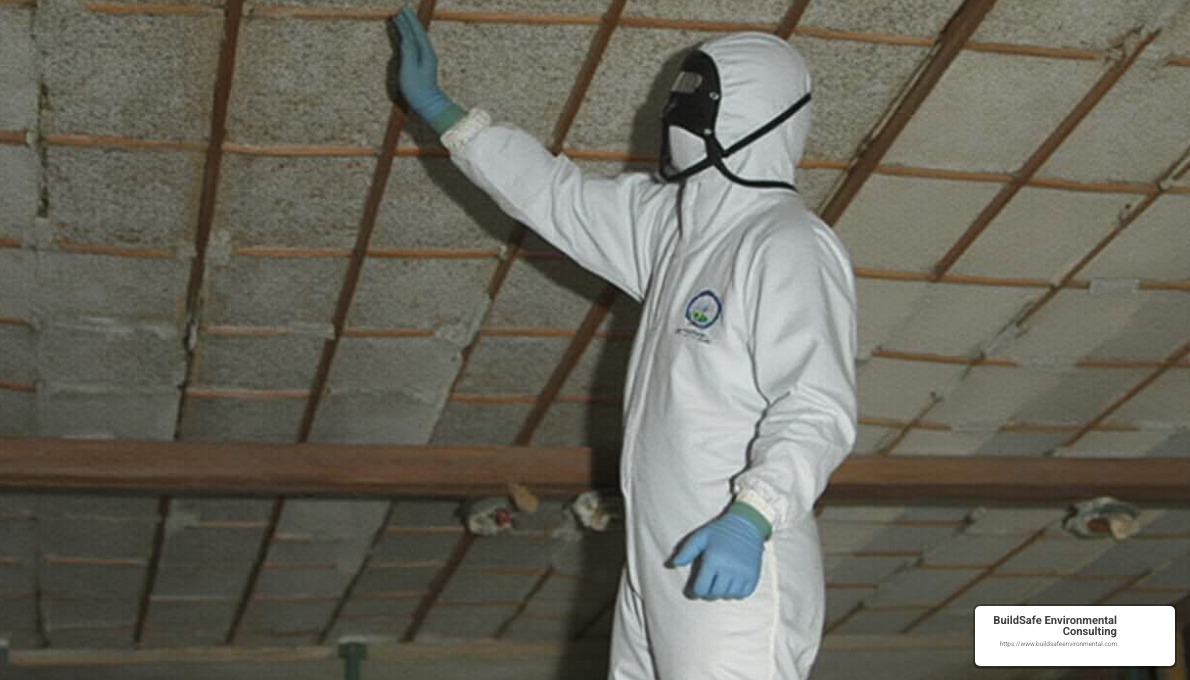
The first step involves a careful visual inspection of your entire property. Our certified asbestos inspectors start by reviewing building records and construction history to spot any areas likely to contain asbestos. After getting familiar with your property, we’ll walk through every room, checking materials known to commonly harbor asbestos fibers.
During this walkthrough, we document the condition of materials that look suspect—checking closely for any damage, deterioration, or signs of wear and tear. We map out the building clearly, marking exactly which areas and materials will require sampling.
Now, here’s the important part: You can’t actually see asbestos with the naked eye (no matter how good your vision is!), so while a visual inspection helps identify suspicious areas, we’ll always follow up with laboratory testing to confirm.
Sampling Process
Next up is the actual sampling. While this sounds a little intimidating, don’t worry—it’s a controlled, careful process designed to minimize any disturbance of materials.
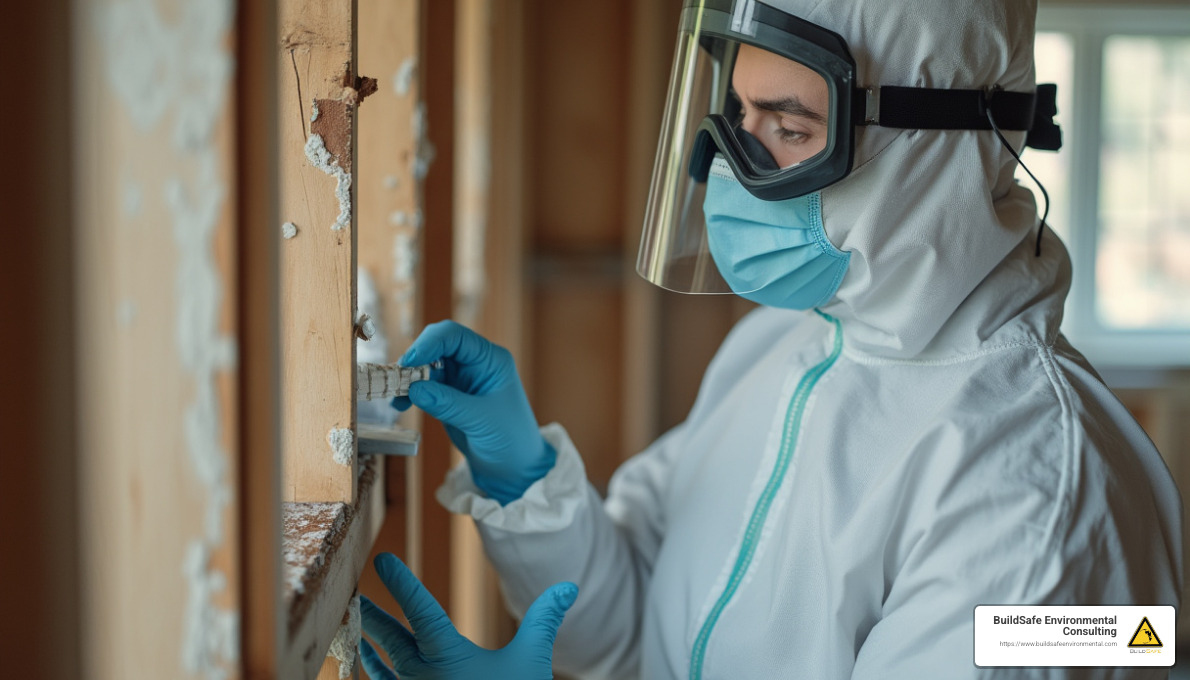
Before collecting samples, our inspectors follow strict safety measures, including wearing protective gear (think gloves, masks, and coveralls). They gently dampen the materials first to prevent asbestos fibers from becoming airborne during sampling.
Our inspectors take small samples—usually half-inch to one-inch squares—from each suspected material. Multiple samples are taken from different spots using something we call the “chocolate chip cookie theory.” You know how sometimes one bite of a chocolate chip cookie misses the chocolate chips entirely? Similarly, asbestos isn’t always evenly distributed, so multiple samples give us reliable results.
After collecting samples, we carefully seal and label them, then patch up the area to avoid damage or fiber release. The number of samples taken depends on the material type and its size: insulation materials typically require at least three samples, while larger surfaces may require more.
Laboratory Analysis
Once our inspector leaves your property, the samples head straight to an accredited lab for analysis. At BuildSafe Environmental, we exclusively partner with labs accredited by the National Voluntary Laboratory Accreditation Program (NVLAP) or those meeting the strict standards of the AIHA asbestos bulk analysis program.
The lab typically uses Polarized Light Microscopy (PLM), a reliable and affordable test that identifies asbestos fibers and measures their percentage in each sample. Any material found to contain more than 1% asbestos is officially classified as an Asbestos-Containing Material (ACM).
If we need greater accuracy or are dealing with tricky samples, we’ll use Transmission Electron Microscopy (TEM), an even more precise method capable of detecting smaller asbestos concentrations.
Comprehensive Report Creation
After the lab finishes analyzing all the samples, we compile the results into an easy-to-follow asbestos survey report. Think of this as your property’s asbestos “medical record”—it clearly documents:
- Exactly which materials contain asbestos (and which don’t)
- The precise locations of each sampled material
- Laboratory test results and asbestos concentrations
- Photos showing each material and sampling location
- Our professional assessment of the condition and potential risks of any ACMs we find
- Practical recommendations for safely managing or removing asbestos materials, if needed
- The inspector’s certifications and credentials for your records and regulatory compliance
This report isn’t just paperwork—it’s a critical document you’ll refer back to if you renovate, sell your property, or plan future construction.
Asbestos Sampling Methods
At BuildSafe Environmental Consulting, we primarily use two sampling methods depending on the situation: bulk sampling and air sampling.
Bulk sampling is our go-to method and involves simply taking small, physical samples of building materials. It’s the quickest way to determine if a material contains asbestos. We handle bulk sampling very carefully—using wet methods and minimizing disturbance—to keep everyone safe.
In some cases, we also perform air sampling. This method helps determine if asbestos fibers have become airborne, especially after renovations, demolition, or asbestos removal work. We use specialized pumps that draw air through filters; afterward, the lab examines these filters to count asbestos fibers.
How Long Does an Asbestos Inspection Typically Take?
One of the most common questions we receive is, “How long will this take?”—we get it; you want to keep things moving. Well, several factors influence the total timeline of your asbestos inspection:
- On-site Inspection: For smaller homes, expect about 2-4 hours. Medium-sized buildings typically take about half a day (4-8 hours), while larger or commercial buildings may need multiple days.
- Laboratory Analysis: Standard lab turnaround typically takes 3-10 business days, but if you’re tight on time, expedited services (24-48 hours) or even same-day emergency services are available for an additional fee.
- Report Preparation: Once we receive lab results, preparing your detailed asbestos survey report usually takes just 1-2 business days.
Factors like building size, number of samples, how easy it is to access the areas needing inspection, and special testing requirements (like vermiculite insulation) can also affect the timeline. At BuildSafe Environmental Consulting, we work efficiently to keep your project schedule moving and your stress levels low.
When it comes to an asbestos inspection, trust the professionals—your family’s health and your peace of mind depend on it. With BuildSafe Environmental Consulting, you’re in good hands.
Who is Qualified to Perform an Asbestos Inspection?
When you’re dealing with something as serious as asbestos, you want to make sure the person inspecting your home or property knows exactly what they’re doing. An asbestos inspection isn’t the time to hire your buddy from down the street who once watched a YouTube video about asbestos—you know the one I’m talking about! Instead, you’ll want to make sure you’re working with a certified professional who can protect your health, ensure your safety, and keep your project compliant with the law.
Required Certifications and Accreditations
In Colorado (and most states across the country), asbestos inspectors need to hold specific certifications. Here in the Centennial State, inspectors must be certified by the Colorado Department of Public Health and Environment (CDPHE).
To earn this state certification, inspectors must complete an intensive, 3-day initial training course approved by the EPA or state authorities. After passing a comprehensive written exam, they need to stay sharp with annual refresher training. Think of this like going to asbestos inspector school—minus the cafeteria food.
If the inspection involves public schools or certain public buildings, the inspector also has to meet additional federal standards set by the Asbestos Hazard Emergency Response Act (AHERA). These rules help keep our schools safe and asbestos-free.
Additionally, a truly reputable inspector will carry professional liability insurance. This helps protect both you and the inspector if something unexpected happens.
As we like to say in the industry:
“Only a certified asbestos inspector can ensure compliance and safety.”
It’s a catchy phrase—and it’s absolutely true.
Independence from Abatement Contractors
Another crucial qualification—often overlooked—is the inspector’s independence from asbestos abatement contractors. This means the person inspecting your property shouldn’t also be the one doing the asbestos removal. Why does this matter? Because, unfortunately, conflicts of interest can arise. If your inspector also gets paid for abatement, they might recommend removal even if it isn’t necessary.
At BuildSafe Environmental Consulting, we proudly offer third-party verification. We don’t do the asbestos removal ourselves, which means our only priority is giving you accurate, unbiased information so you can make smart decisions. We think that’s pretty important, and our clients across Denver, Longmont, Fort Collins, and the rest of Colorado agree.
Experience and Specialization
Certifications are essential, but experience and familiarity with local buildings are equally important. You want someone who’s been around the block (and in a few attics and crawlspaces too!). A good inspector has spent years dealing with asbestos, seen hundreds—if not thousands—of cases, and understands how to spot asbestos-containing materials quickly and accurately.
Look for inspectors who have years in the field, experience with your type of property (residential, commercial, industrial), and a deep understanding of the kinds of building materials commonly found in your area. At BuildSafe, for instance, we’ve spent over a decade providing inspections across Colorado, so we know exactly where asbestos tends to hide—sometimes in places you’d least expect.
Questions to Ask When Hiring an Inspector
Choosing the right asbestos inspector doesn’t have to feel overwhelming. Here are a few key questions you can ask before hiring someone to make sure they’re the real deal:
- Are you certified by the state of Colorado (or wherever your property is located)?
- Can you show me proof of your current certification?
- How long have you been doing asbestos inspections?
- Are you completely independent from asbestos abatement contractors?
- What’s your approach to sampling? How do you ensure safety during sampling?
- Do you send samples to an accredited laboratory for analysis?
- What exactly will be included in your asbestos inspection report?
- Do you carry professional liability insurance? (Hint: the right answer is “absolutely!”)
You want clear, confident answers to all these questions. If an inspector hesitates or seems unsure, it’s probably a good idea to keep looking.
Bottom line: Hiring a qualified, certified, and experienced professional isn’t just about meeting legal requirements—it’s about protecting yourself, your family, and your investment. When it comes to asbestos, it’s always best to trust the experts. And if you’re in Colorado, BuildSafe Environmental Consulting is here to help you every step of the way.
Understanding Asbestos Survey Reports
Once your asbestos inspection wraps up, you’ll receive an asbestos survey report. While it might not be as exciting as the latest bestseller, this report is one you’ll definitely want to read—and understand clearly. Think of it like a roadmap, guiding you to keep your family or employees safe from asbestos exposure.
Let’s break down exactly what’s included in a thorough asbestos survey report and how you can interpret it like a pro.
Essential Components of an Asbestos Survey Report
A well-written asbestos survey report isn’t just a stack of paper—it’s your go-to resource for making informed decisions about managing asbestos in your building. Here’s what a complete report from BuildSafe Environmental Consulting includes:
Right at the start, you’ll find an executive summary. If you’re short on time (or attention span!), this section gives you a quick overview. It clearly states whether asbestos was found and if immediate action is needed.
Next up is the inspector information. This includes the inspector’s name, certification number, and signature, along with a copy of their current asbestos inspector certificate. It’s your reassurance that a certified professional handled your inspection.
The report will then provide detailed property details—address, building description, construction date—basically confirming that yes, this report is indeed about your property and not your neighbor’s (awkward mix-up avoided!).
You’ll also see a section called inspection methodology. This explains how the inspection was conducted—where we looked, how we took samples, and why these steps are crucial.
The heart of your report is the material inventory. This section lists every material inspected and sampled—its specific location, estimated size or quantity, and current condition (ranging from good to significantly damaged). It also assesses the potential risk of disturbance and includes sample ID numbers so you can easily match results to specific materials.
Following the inventory are the detailed laboratory results. These show exactly what tests were done, identifying the type and percentage of asbestos found in each sampled material. Our reports always include the accreditation details of the lab, giving you confidence in the accuracy of the results.
To help you visualize the findings, our reports include photographic documentation. We include clear photos of each sampled area and material, helping you easily pinpoint exactly where asbestos was identified.
You’ll also find helpful location maps or diagrams, clearly marked to show exactly where asbestos-containing materials (ACMs) were found within your property. These diagrams are invaluable for future projects or renovations.
Based on our findings, we’ll provide straightforward recommendations. These will explain if you can safely manage asbestos in place or if removal or repair (abatement) is necessary. We’ll always guide you clearly so you’re never left guessing what your next steps should be.
Finally, the report outlines any limitations. For example, we’ll mention if certain areas couldn’t be accessed during the inspection, so there won’t be any surprises later.
How to Interpret Your Asbestos Survey Report
Reading your report doesn’t require a science degree—just a clear understanding of a few key terms and classifications.
Materials classifications are straightforward. Materials with more than 1% asbestos are labeled Asbestos-Containing Material (ACM). If a material wasn’t tested but is suspected of containing asbestos, it’s labeled as Presumed Asbestos-Containing Material (PACM). Anything below 1% asbestos content gets labeled Non-Asbestos-Containing Material—which is the good news you’re hoping for.
Next, you’ll want to pay attention to the condition assessment. ACMs will be described as being in good (no damage), fair (minor damage), or poor (significant deterioration) condition. This helps prioritize which materials require immediate attention.
The survey report also includes a risk assessment. It considers factors such as the material’s location, likelihood of disturbance, occupant exposure potential, and the total amount of asbestos present. Together, these factors determine how urgent action needs to be.
Using Your Asbestos Survey Report
Your asbestos survey report isn’t just paperwork to file away and forget. It serves several critical purposes that can benefit you now and down the road:
First, it proves regulatory compliance. If you’re planning renovations, demolitions, or selling your property, this report shows you did your due diligence. You’re officially one step ahead of potential legal hiccups!
It helps you with effective risk management. Understanding where asbestos is located and its condition helps you address potential health risks promptly and safely.
It’s essential for smart project planning. Whether you’re renovating a room or demolishing an entire building, the report guides your budget, timeline, and approach. No unpleasant asbestos surprises mid-project!
Your report is the perfect tool for abatement contractors if asbestos needs to be professionally managed or removed. Accurate details help contractors submit precise bids and perform proper work.
Lastly, it serves as critical documentation for disclosure, especially important when selling, leasing, or managing commercial properties. It reassures future buyers or tenants that you’ve responsibly handled asbestos concerns.
At BuildSafe Environmental Consulting, our number-one goal is to ensure our clients in Denver, Longmont, Fort Collins, and across Colorado have clear, detailed, and actionable asbestos survey reports. We’re always here to explain the results, break down technical jargon, and guide you in making informed, safe decisions.
Remember: your asbestos survey report isn’t just paperwork—it’s your detailed roadmap to keeping your property safe and healthy.
Legal Requirements for Asbestos Inspections
When it comes to asbestos inspection, the legal side of things can seem overwhelming at first. Regulations exist on federal, state, and sometimes even local levels, and it’s important to clearly understand what’s required. Don’t worry—we’ve got your back! Here’s a warm, friendly breakdown of the key legal requirements you should know about.
Federal Regulations
At the federal level, several agencies set rules to protect public health and worker safety when it comes to asbestos.
The Environmental Protection Agency (EPA) has the most notable regulations:
National Emission Standards for Hazardous Air Pollutants (NESHAP) requires a thorough asbestos inspection before any demolition or renovation. Yes, even if your building doesn’t seem old or you don’t suspect asbestos—it’s mandatory. NESHAP covers institutional, commercial, public, and industrial buildings. It also sets rules about notifying authorities if asbestos is found, and ensures asbestos-containing materials are properly handled, removed, and disposed of.
Asbestos Hazard Emergency Response Act (AHERA) specifically focuses on K-12 schools. Under AHERA, schools must conduct asbestos inspections, maintain detailed management plans, and perform re-inspections every three years. They also need to inform parents, teachers, and school employees annually about asbestos management activities. You can learn more details directly from the EPA’s page on Asbestos and School Buildings.
Toxic Substances Control Act (TSCA) regulates the manufacturing, distribution, and use of asbestos products. While this primarily affects manufacturers, some provisions may apply to property owners and contractors, especially regarding proper handling and disposal.
Meanwhile, the Occupational Safety and Health Administration (OSHA) takes care of worker safety. OSHA’s asbestos standard (29 CFR 1910.1001 and 29 CFR 1926.1101) sets safe asbestos exposure limits, outlines proper work practices, and requires training for workers who may encounter asbestos. Employers must also assess places with asbestos to make sure workers aren’t exposed to harmful fibers.
Colorado-Specific Requirements
Here in Colorado, we have some additional state-level rules—and yes, they go beyond federal guidelines. At BuildSafe Environmental Consulting, we’re experts in navigating these local requirements, ensuring you’re always compliant.
The primary state regulation in Colorado is the Colorado Department of Public Health and Environment (CDPHE) Regulation 8. It states that a certified asbestos inspector must conduct an inspection before renovation or demolition. Regulation 8 sets clear sampling and analysis guidelines, and it includes specific rules for single-family residential homes, too.
Additionally, the Colorado Air Quality Control Commission (AQCC) has certain notification requirements for asbestos-related projects and regulates asbestos abatement procedures, ensuring safety standards are met during removal.
And let’s not forget local jurisdictions like Denver, Longmont, Fort Collins, and others can sometimes have their own additional rules or permit requirements. That’s why working with local experts (like yours truly!) can save you a ton of headaches and confusion.
Key Compliance Requirements
Wherever you are, some rules apply universally for asbestos inspections:
- Inspections must always be performed by certified asbestos inspectors. No DIY allowed here—sorry, weekend warriors!
- Inspectors must collect enough samples following official protocols, so no asbestos hides unnoticed.
- Samples must be sent to accredited labs for accurate analysis.
- Complete survey reports must be documented and kept accessible.
- You might have to notify specific agencies ahead of time if asbestos-containing materials will be disturbed.
- Depending on your location, asbestos disclosures to tenants, buyers, or contractors may also be legally required.
Penalties for Non-Compliance
Skipping an asbestos inspection isn’t just risky—it’s costly. Failure to follow asbestos inspection requirements can lead to serious penalties, impacting your wallet, your project timeline, and even your freedom. Penalties can include steep fines—EPA penalties alone can reach $37,500 per day per violation—plus OSHA fines for worker safety breaches.
On top of financial penalties, violations can cause project delays, stop-work orders, and even legal liability if anyone’s health is compromised. In serious cases, intentional or reckless violations can lead to criminal charges. Trust us, it’s not worth the risk.
How to Stay on the Right Side of the Law
At BuildSafe Environmental Consulting, we specialize in helping our clients in Denver, Longmont, Fort Collins, and throughout Colorado steer these complex regulations. We take the guesswork out of compliance by:
- Providing certified, experienced inspectors who know federal, state, and local requirements inside and out.
- Making sure your asbestos inspection is done by the book (and we’re fast, friendly, and thorough, too!).
- Clearly documenting every step, keeping you protected and worry-free.
Bottom line: Regulatory compliance isn’t just about avoiding fines—it’s about safeguarding your property, protecting your family or employees, and ensuring peace of mind. A professional asbestos inspection is the first step toward a safer, healthier building.
What to Do If Asbestos Is Found During an Inspection
Finding asbestos during your asbestos inspection can feel pretty alarming—after all, we’ve all heard the scary stories. But before you panic, take a deep breath. Finding asbestos doesn’t automatically mean you’re facing a costly removal job. How you move forward depends on the condition of the asbestos-containing materials (ACMs), their location, and your plans for the property.
Here’s exactly what you need to do if your inspection uncovers asbestos.
Assess the Condition and Risk Level
Start by carefully reviewing your asbestos survey report. This report will clearly outline important details about each ACM identified, including:
- Condition: Is the material intact, just slightly damaged, or already crumbling?
- Location: Is it tucked away in a rarely visited crawlspace or right in the middle of your kitchen?
- Likelihood of Disturbance: Will typical activities, maintenance, or planned renovations cause disturbance?
- Friability: Your inspector will note if the material is friable (meaning it can easily crumble, releasing fibers into the air) or non-friable (solid and bound, less likely to release fibers unless disturbed).
These details help you quickly gauge how urgently you need to act.
Management Options: Removal vs. Management in Place
Here’s the good news: You don’t always have to remove asbestos-containing materials right away. There are generally two paths forward—management in place or abatement (removal or encapsulation). Let’s break down when each option makes sense.
Option 1: Management in Place (It’s Less Scary Than It Sounds!)
Many asbestos materials—especially those in good shape and located in low-traffic areas—can be safely managed in place. This approach is often recommended by experts, including us at BuildSafe Environmental Consulting. It typically involves:
- Regular Monitoring: Scheduling periodic checks to ensure asbestos materials remain undamaged.
- Limiting Access: Keeping foot traffic away from asbestos-containing areas.
- Labeling and Communication: Clearly marking areas or materials to alert workers or future contractors.
- Maintaining Documentation: Keeping accurate records, like your inspection report, to guide future property maintenance or improvements.
Remember what industry expert Kelly Winslow says:
“Many asbestos building materials are perfectly safe if they are not disturbed in a way that will release asbestos fibers into the air.”
So, managing in place can be an effective, safe, and budget-friendly solution.
Option 2: Abatement (Removal or Encapsulation)
Sometimes, management alone isn’t enough. If the ACM is damaged, deteriorating, or located in an area you plan to renovate, professional abatement becomes necessary.
Asbestos abatement can take a few different forms:
- Removal: Fully eliminating the asbestos-containing material from your property.
- Encapsulation: Applying a special coating to seal and stabilize the material, preventing fiber release.
- Enclosure: Installing a protective barrier around the ACM, preventing direct contact or disturbance.
When tackling abatement, remember the wise words of environmental specialist Jack Leonard:
“Leave abatement to the professionals.”
He couldn’t be more right. Handling asbestos improperly is dangerous and can do more harm than good.
Hiring Qualified Abatement Professionals (Don’t DIY This One!)
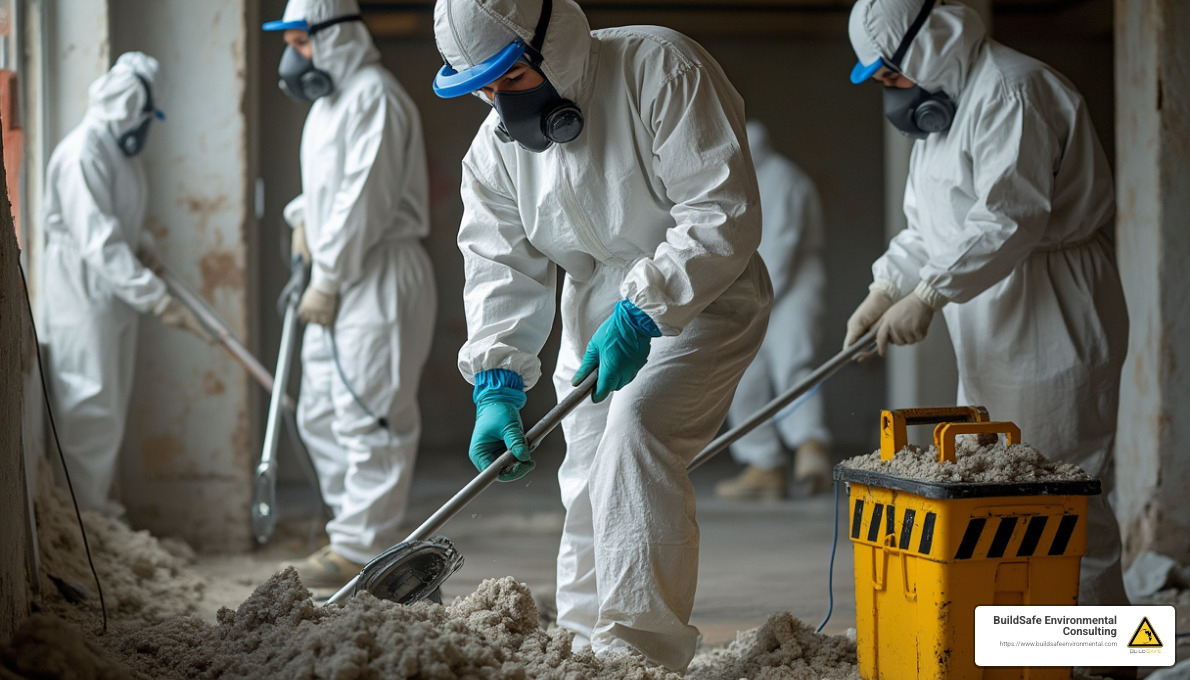
If you decide abatement is necessary, you’ll need to hire professionals. In Colorado, asbestos abatement contractors must be properly licensed by the Colorado Department of Public Health and Environment (CDPHE). Don’t be shy about asking potential contractors lots of questions. Verify their certification, ask for references, double-check their insurance coverage, and always get multiple quotes.
A good abatement contractor will openly explain their process, timeline, safety measures, and cleanup procedures. A little homework upfront saves big headaches later.
Clearance Testing After Abatement (The Final Step for Peace of Mind)
Once abatement work is complete, there’s a crucial final step: clearance testing. Clearance testing ensures the area is safe before you move back in or continue with renovations. In Colorado, clearance testing isn’t just recommended—it’s legally required.
At BuildSafe Environmental Consulting, our third-party clearance tests offer independent verification of successful asbestos removal. We’ve helped countless homeowners across Denver, Longmont, Fort Collins, and beyond confidently move forward after asbestos abatement.
Safe Asbestos Management and Removal Practices
Whether you’re managing asbestos in place or going through full removal, some key safety practices will keep everyone protected.
If you’re managing asbestos in place, put together an Asbestos Management Plan documenting ACM locations, conditions, and regular inspection dates. Educate any maintenance staff or contractors about these locations to avoid accidental disturbance.
If removal becomes necessary, your contractor should strictly follow safety guidelines—this means using proper containment methods, negative air pressure systems, wet removal practices, HEPA-filtered vacuums, and protective gear for workers. Asbestos waste also must be properly sealed and disposed of in designated facilities.
Bottom line: Finding asbestos during your asbestos inspection doesn’t have to spell disaster. With careful assessment, professional recommendations, and safe management practices, you’ll confidently choose the right path for your home and family’s safety.
Costs Associated with Asbestos Inspection and Abatement
Let’s face it—talking about costs isn’t anyone’s favorite topic. But when you’re considering an asbestos inspection or dealing with asbestos abatement, understanding the expenses involved is important. Knowing what to expect allows you to plan your budget and avoid unpleasant surprises down the road.
In this section, we’ll break down the typical costs you can expect for asbestos-related services here in Colorado. We’ll also share some smart budgeting tips to keep your expenses under control—without sacrificing safety or quality.
Asbestos Inspection Costs
The cost of a professional asbestos inspection can vary based on several key factors. At BuildSafe Environmental Consulting, we provide transparent pricing to help you plan effectively.
First, the size and complexity of your property matter. For instance, a typical single-family home inspection in the Denver or Fort Collins area usually costs between $400 to $800. Small commercial buildings may range from $600 to $1,200, while large commercial or industrial facilities can run from $1,000 to $3,500 or more.
Sampling requirements also affect price. Basic inspections with fewer samples are naturally less expensive. If your building requires more extensive sampling, expect higher costs. Each additional asbestos sample typically adds $25 to $75 to your overall inspection bill.
Laboratory turnaround time is another factor. Standard lab analysis (usually 3-5 business days) is covered in your inspection cost. But if you’re in a hurry, expect extra fees: expedited results (24-48 hours) might cost 50-100% more, and same-day emergency service can double or even triple standard lab fees.
Accessibility is something else to consider. If certain parts of your property are challenging to inspect—like confined attic spaces or high ceilings—inspectors may charge additional fees for specialized equipment or extra time.
Finally, your inspection report matters. A basic report summarizing results is included, but detailed management plans or abatement specifications often cost an extra $300 to $800.
At BuildSafe Environmental Consulting, we always provide clear, upfront pricing—no surprises. Our goal is to help Colorado homeowners and businesses get the information they need without hidden fees or unnecessary stress.
Asbestos Abatement Costs
If your inspection uncovers asbestos that needs removal, abatement expenses can range widely. The project’s scope, the type of material, and how accessible it is all impact your final bill.
Smaller projects—like removing a limited amount of floor tile or drywall—typically cost around $1,500 to $3,000. Medium-sized jobs, such as removing asbestos popcorn ceilings throughout a single-family home, generally run $3,000 to $8,000. Larger commercial projects or complex situations can easily reach $10,000 to $100,000 or more.
The type and location of asbestos-containing materials also matter. Non-friable materials (firmly bonded, such as floor tiles) usually cost less to remove. Friable materials (easily crumbled, like pipe insulation) require careful handling and specialized procedures, raising removal costs. Similarly, materials in tight spaces or hard-to-reach areas usually come at a premium.
Containment requirements significantly affect pricing. A small, simple project with minimal containment may not add substantial cost. But larger projects often require full negative-pressure containment systems and decontamination areas, increasing overall expenses.
Don’t forget disposal fees. Proper disposal of asbestos waste at authorized facilities typically costs around $150 to $250 per cubic yard, plus transportation.
The timing of your asbestos removal project can also influence pricing. Emergency abatement or work scheduled over weekends or holidays usually commands premium rates.
On average, residential asbestos abatement costs range from about $1,120 to $2,910, according to industry statistics. But every project is unique, and complex or extensive abatement can exceed these averages significantly.
Cost-Saving Strategies
While nobody wants to cut corners when dealing with hazardous materials like asbestos, there are safe and legitimate ways to manage costs effectively.
First, plan your asbestos inspection and removal projects well ahead of time. Last-minute emergency services always cost more. If you’re aware of your asbestos situation early, you can schedule inspections and abatement without rush fees.
Another great cost-saving tip is to consider managing safe asbestos-containing materials in place. As we’ve mentioned before, undisturbed and intact asbestos materials often don’t pose immediate safety risks. In these cases, monitoring rather than removal is often much more budget-friendly.
If your project involves addressing asbestos in multiple areas, it’s typically more economical to handle them all at once. Mobilizing crews and setting up containment structures only one time can reduce the overall cost significantly.
It’s also smart to get multiple quotes from certified asbestos abatement contractors. Comparing proposals ensures you receive fair pricing and helps you identify any unusually low (or suspiciously high) bids.
In some cases, encapsulation—sealing asbestos-containing materials in place with a protective coating—can be a safe, cost-effective alternative to full removal, as long as the materials are in good condition.
Don’t Forget the Hidden Costs!
As you budget for your asbestos project, consider potential hidden or additional costs. After asbestos has been removed, you’ll need new replacement materials, such as new flooring, drywall, or insulation. If the abatement project is extensive, you might need temporary housing arrangements, adding to your expenses.
Unexpected asbestos findies can delay construction or renovation timelines. Consider potential delays in your overall project budget. Finally, clearance testing after abatement is required in Colorado to ensure your home or building is safe for reoccupancy—adding an important but essential expense.
Additionally, if you choose to manage asbestos-containing materials in place, you’ll need periodic re-inspections and maintenance to ensure continued safety.
At BuildSafe Environmental Consulting, we’re here to help you steer these costs transparently and smoothly. We provide clear, upfront pricing for inspections and guidance on budget-friendly management options. Our third-party verification ensures you get unbiased recommendations and peace of mind—protecting your family’s safety and your investment in the long run.
Potential Health Risks of Asbestos Exposure
When it comes to asbestos, the biggest risk isn’t what you can see—it’s what you can’t. Asbestos fibers are incredibly tiny—about 18,000 times thinner than a human hair—and completely invisible to the naked eye. When disturbed, these microscopic fibers float easily through the air and can remain suspended for days, quietly waiting to be inhaled into your lungs.
Here’s what’s particularly sneaky: asbestos doesn’t irritate your nose, throat, or eyes. You can’t taste or smell it, and it won’t make you cough or sneeze when you’re exposed. This silent nature makes asbestos especially dangerous since you won’t even know you’re inhaling it.
Once these fibers enter your lungs, they become trapped, resisting your body’s attempts to clear them out. Over years—even decades—this can lead to inflammation, scarring, and serious cell damage. Sadly, the health issues don’t show up immediately. In fact, diseases related to asbestos exposure often don’t appear until 10-50 years later.
There’s also no known “safe” exposure level. Even brief contact can potentially lead to health complications down the road. This reality underscores the importance of a professional asbestos inspection before any renovation, demolition, or disturbance of older building materials.
Major Asbestos-Related Diseases
Exposure to asbestos can cause several severe and often life-threatening illnesses. Let’s take a closer look at the most common ones:
Mesothelioma is a rare but aggressive cancer directly linked to asbestos exposure. It affects the thin lining (mesothelium) that covers your lungs, heart, abdomen, or even testicles. Around 3,000 new cases are diagnosed in the U.S. every year, and nearly all are traced back to asbestos exposure. Unfortunately, mesothelioma typically isn’t diagnosed until advanced stages, with patients often having only 12-21 months after finding the illness.
Lung cancer is another serious health risk associated with asbestos fibers. While many factors contribute to lung cancer, asbestos exposure dramatically increases the risk, especially among smokers. Workers exposed to asbestos who also smoke have a lung cancer risk 50 to 90 times higher compared to non-smokers who haven’t been exposed. Like mesothelioma, lung cancer can remain hidden for decades before symptoms appear, making early detection difficult.
Then there’s asbestosis, a chronic and irreversible lung disease caused by inhaling asbestos fibers over prolonged periods. The fibers cause scarring and hardening of lung tissue, making breathing progressively difficult. People suffering from asbestosis experience constant shortness of breath, chronic cough, and permanent damage to their lungs. Sadly, there’s no cure or effective reversal treatment.
Asbestos exposure can also cause other serious conditions, including pleural plaques (thickened patches on lung linings), pleural thickening, and fluid build-up around the lungs (pleural effusions). Some studies also suggest asbestos may raise your risk of cancers affecting the larynx, pharynx, stomach, colon, and ovaries.
Who’s Most at Risk from Asbestos Exposure?
Not everyone exposed to asbestos will develop these diseases, but certain factors can significantly increase your risk. The intensity and duration of your exposure play big roles—the higher the concentration of fibers and the longer you’re exposed, the greater your chances of health problems.
Fiber type also matters somewhat—certain asbestos types may be more harmful than others. Additionally, individual factors like genetics, age at the time of exposure (younger people may have increased lifetime risks), and lifestyle choices like smoking can greatly influence the severity and likelihood of asbestos-related illness.
Epidemiologist Marty Kanarek put it aptly when he said:
“You have to live with the legacy of the past, and the legacy here is all the asbestos is still in place. This epidemic is not going to end anytime soon.”
His words remind us that asbestos is not a distant issue of the past—it’s still present in countless buildings, posing ongoing risks when disturbed. That’s exactly why asbestos inspections are so essential for homeowners, property managers, and construction professionals everywhere.
Prevention is Key: Why Asbestos Inspections Matter
Since there’s no safe asbestos exposure and no cure for most asbestos-related diseases, prevention is the only effective strategy. The best way to ensure safety is a professional asbestos inspection, conducted by certified inspectors like our team at BuildSafe Environmental Consulting.
Proper identification and management of asbestos-containing materials in your home, workplace, or public building is crucial. An inspection can pinpoint exactly where asbestos is present, assess its condition, and help you develop a safe plan—whether that’s leaving materials intact and safely contained or planning a professional removal.
With around 10,000 deaths per year in the U.S. from asbestos-related illnesses, the stakes couldn’t be higher. By scheduling a thorough asbestos inspection before disturbing any suspect building materials, you’re taking an essential step to protect your health, your family’s well-being, or the safety of your employees and customers.
You can learn more about asbestos and how to handle it safely by visiting the EPA’s asbestos health information page or contacting our experienced team at BuildSafe Environmental Consulting. Let us help you keep asbestos out of your lungs—and worries off your shoulders.
Regulations and Guidelines for Asbestos in Schools and Public Buildings
When it comes to asbestos, schools and public buildings have some of the toughest regulations out there, and for good reason. These spaces serve vulnerable populations—children, teachers, staff, and the general public. Keeping them safe from asbestos exposure is crucial. Let’s take a closer look at the rules and guidelines you need to know.
The Asbestos Hazard Emergency Response Act (AHERA)
One of the most important regulations addressing asbestos in school buildings is the Asbestos Hazard Emergency Response Act (AHERA). Passed in 1986, AHERA sets clear requirements for public and non-profit private K–12 schools nationwide.
Under AHERA, schools must perform initial inspections, carefully identifying all asbestos-containing materials (ACMs). After this initial inspection, schools need to develop detailed asbestos management plans. These plans aren’t just paperwork—they’re living documents that include precise building blueprints marking asbestos locations, inspection findings, response actions, and schedules for future actions.
To ensure ACMs remain safely managed, schools need to carry out periodic surveillance every six months and more thorough re-inspections every three years. AHERA also requires schools to assign a designated person to oversee compliance—someone who knows asbestos rules inside and out.
Staff training is another essential AHERA requirement. Custodial and maintenance workers receive required asbestos awareness training. Raising awareness among all school community members is also critical, and schools must provide annual notifications about their asbestos management plans to parents, teachers, and employee groups.
AHERA strongly promotes managing asbestos in place when it’s in good condition. Often, the safest approach isn’t removal—it’s simply monitoring and maintaining ACMs to prevent fiber release.
For more details about AHERA, the EPA offers an excellent resource page: Asbestos and School Buildings.
Additional Regulations for Public Buildings
Schools aren’t the only public spaces with important asbestos guidelines. Other institutional, commercial, and public buildings have their own sets of requirements to follow.
The EPA’s National Emission Standards for Hazardous Air Pollutants (NESHAP) apply broadly to commercial, public, and industrial buildings. Under NESHAP, thorough asbestos inspections must occur before renovation or demolition. The standards also spell out specific work practices for asbestos removal, proper handling, and disposal, as well as strict notification requirements to regulatory authorities.
Additionally, OSHA’s asbestos standards focus on protecting building workers. OSHA sets permissible exposure limits, requires worker training and hazard communication, and outlines detailed work procedures to prevent asbestos exposure.
On top of federal rules, there are often state-specific regulations. Here in Colorado, for example, the Colorado Department of Public Health and Environment (CDPHE) has its own set of asbestos guidelines. Local jurisdictions—like those we serve in Denver, Longmont, and Fort Collins—can also have their own requirements, so it’s crucial to stay informed.
Compliance Challenges and Best Practices
Keeping up with asbestos regulations in public buildings and schools can be challenging. Many schools and government facilities were built decades ago, when asbestos was commonly used. Managing asbestos in aging infrastructure—while juggling tight budgets and competing priorities—isn’t easy.
In fact, a recent government report found that about two-thirds of federal buildings hadn’t fully complied with asbestos inspection requirements due to funding and staffing limitations. Clearly, compliance is an ongoing challenge.
But the good news is there are proven ways to stay ahead. At BuildSafe Environmental Consulting, we’ve seen that effective asbestos management starts with strong planning. Budget for regular inspections, staff training, and necessary abatement measures. Develop comprehensive asbestos management programs and keep detailed records—trust us, organized documentation saves headaches later!
Periodic audits are also smart. Regularly reviewing your compliance status helps identify and fix small issues before they become big problems. And don’t overlook training—educated staff members are your first line of defense against asbestos hazards.
As your trusted partner, BuildSafe Environmental Consulting helps schools and public facilities throughout Colorado steer asbestos regulations smoothly. We handle AHERA inspections, develop asbestos management plans, and offer third-party verification for renovation and abatement projects. Our goal is simple: to make compliance easy, so you can focus on what really matters—the health and safety of everyone in your building.
Frequently Asked Questions about Asbestos Inspections
Do I Need an Asbestos Inspection?
Ah, the million-dollar question (well, not literally—we promise!). But seriously, this is probably the question homeowners ask us most frequently at BuildSafe Environmental Consulting. And the truth is, it comes down to a few important factors.
First off, there are legal requirements you need to think about. Here in Colorado (and in many other states), you must have an asbestos inspection before tearing down any building—no exceptions. The same goes for renovations or remodels that might disturb building materials, like knocking down walls, redoing floors, or updating plumbing.
Even if you’re not facing legal mandates, the age of your property makes a big difference. Homes and buildings built before 1980 are highly likely to contain asbestos. Structures built between 1980 and 1990 still sometimes have asbestos, especially in materials like flooring or roofing. And while properties built after 1990 have lower risks, asbestos still sneaks its way into some imported materials. Yup, asbestos is sneaky like that.
Planning any renovation or “dusty operation”? If you’re going to disturb materials—think knocking out that popcorn ceiling or changing out those old floor tiles—it’s always smart to have an asbestos inspection first. As Jack Leonard, President of an environmental management institute, wisely cautions:
“Too many times with asbestos, the hazards are underestimated. If there is going to be what I call a ‘dusty operation’ in an older home or building, you don’t want to do that without having it checked first.”
Finally, having an inspection simply for your own peace of mind is perfectly valid. Buying an older home? Noticing suspicious materials after a flood or fire? Prepping a place for a new baby or elderly relatives? These are all great reasons to get an inspection. Trust us, the peace of mind is worth it.
Bottom line: If you’re even remotely unsure whether you need one, just go ahead and schedule that asbestos inspection. The safety and health of your family are way more valuable than the inspection cost.
How Do I Choose a Qualified Asbestos Inspector?
Finding the right asbestos inspector is a bit like searching for a good mechanic: you want qualifications, experience, and trustworthiness all wrapped up into one friendly package.
The first thing to check is their certification and accreditation. In Colorado, make sure your inspector is certified by the Colorado Department of Public Health and Environment (CDPHE). They should also have completed EPA-approved training and regularly refresh their certifications—you don’t want someone who took a class 20 years ago and never looked back!
Also, confirm that the inspector uses accredited laboratories for testing asbestos samples. Accuracy is everything when it comes to asbestos.
Next up, look for independence. This is crucial. You want someone who provides unbiased, third-party assessments—not someone who profits from finding problems. At BuildSafe Environmental Consulting, this independence is our whole thing—it’s literally part of our name!
Of course, experience and expertise matter too. Ask about their experience with properties similar to yours. An inspector who has worked extensively in Denver, Longmont, Fort Collins—or wherever your property is located—will know exactly what to look for and understand local regulations thoroughly.
Make sure your inspector is thorough and communicative. A great inspector won’t just hand you a confusing report; they’ll walk you through it, answer your questions, and give clear recommendations. (Pro tip: Check online reviews or ask around for references—happy customers are usually a good sign.)
Selecting the right inspector will save you time, money, and headaches down the road. Take the extra step to ensure your inspector checks all these boxes.
Can I Do an Asbestos Inspection Myself?
Ah, the DIY spirit—we love it for painting walls and assembling furniture, but when it comes to asbestos inspections, it’s time to put down your DIY hat and call in the pros.
Yes, you can buy DIY asbestos test kits online or at hardware stores, but we’d strongly advise against this approach. Why?
First, let’s talk safety. Collecting samples incorrectly can release asbestos fibers into the air. Those tiny fibers become airborne easily and stay suspended in your breathing space for a long time—something we definitely want to avoid. Testing asbestos safely requires special equipment and training, not to mention protective gear.
Then there are legal compliance issues. Unfortunately, those DIY test kits don’t meet regulatory requirements. If you’re planning renovations or demolitions, your local building department or health agency likely won’t accept DIY results. That leaves you back at square one, needing a professional assessment anyway.
Also, DIY asbestos tests struggle with accuracy. It’s easy to miss asbestos-containing materials entirely, or even worse, get false negatives that put you and your loved ones at risk. Plus, DIY kits don’t tell you how dangerous the materials are or how to handle them if asbestos is present.
As real estate expert Rinal Patel says:
“Nothing is as accurate as a visit from a certified Asbestos Inspector.”
We’ve seen it at BuildSafe Environmental Consulting—DIY tests cause more confusion, worry, and sometimes costly mistakes down the road. Our professional inspectors in Denver, Longmont, Fort Collins, and across Colorado can quickly and accurately identify any asbestos issues, giving you peace of mind without the guesswork.
So, save the DIY enthusiasm for your next home decorating project, and leave the asbestos inspections to the certified pros. Your lungs will thank you!
Conclusion
As we’ve walked through this asbestos inspection guide together, you’ve learned how critical asbestos inspection is—not just as a legal obligation, but as a vital step in protecting your family’s health, your home investment, and your peace of mind.
The stakes are high when it comes to asbestos. Each year, about 10,000 Americans tragically lose their lives to asbestos-related illnesses like mesothelioma, lung cancer, and asbestosis. The risk isn’t just a relic of the past—it’s an ongoing concern, especially in homes and buildings built before the mid-1980s.
Professional asbestos inspection is your first and best line of defense. You simply can’t tell by sight whether a material contains asbestos or not. An inspection involves careful visual assessments, precise sampling techniques, accredited laboratory testing, and a clear, comprehensive report you can rely on.
When asbestos is found, there’s no cause to panic—there are safe, practical solutions. Some asbestos-containing materials can safely remain in place if they’re in good condition. Others, especially damaged or easily disturbed materials, may require proper abatement. It’s all about informed decisions based on accurate information from certified professionals.
As environmental management expert Jack Leonard wisely advises:
“Leave abatement to the professionals.”
The same goes for inspections. DIY test kits might seem appealing, but they can easily miss asbestos or, worse, release fibers and put you at risk. Only certified professionals with specialized training, experience, and equipment can safely and accurately perform an asbestos inspection.
Legal requirements at federal, state, and local levels can also be complex. Regulations like EPA NESHAP, AHERA for schools, OSHA standards, and Colorado’s CDPHE Regulation 8 all mandate thorough asbestos inspections before demolitions and many renovations. Failing to comply can mean hefty fines, project delays, and serious liability.
At BuildSafe Environmental Consulting, we’ve dedicated years to conducting reliable asbestos, mold, and lead inspections across Denver, Longmont, Fort Collins, and throughout Colorado. Our independence from abatement contractors means you get unbiased results and recommendations. No hidden agendas, just clear information and actionable advice.
We know asbestos inspections can feel overwhelming, maybe even stressful. That’s why our experienced, certified inspectors take the time to walk you through every step, answer all your questions, and provide practical solutions custom to your specific needs. We take pride in being fast, thorough, and responsive—because your family’s safety and your project’s success matter to us.
If you’re considering renovation, buying or selling an older property, or simply concerned about asbestos, we encourage you to reach out. Visit our Asbestos Testing Services page or contact our friendly team directly. We’re here to help you steer asbestos concerns with confidence, clarity, and care.
From all of us here at BuildSafe Environmental Consulting: Stay safe, breathe easy, and remember we’re always here to help you build with safety in mind.