Key Takeaways
Asbestos abatement contractors Colorado must be properly certified and trained to safely remove hazardous materials while meeting strict state regulations.
Certified asbestos removal experts ensure proper containment, disposal, and air quality control to protect occupants from dangerous airborne fibers.
Professional asbestos inspection and abatement services like BuildSafe Environmental help identify risks early and can connect you with qualified experts for safe, compliant removal.
Finding Qualified Asbestos Removal Experts in Colorado
Dealing with asbestos in your Colorado home or business requires professional expertise. Asbestos abatement contractors Colorado professionals are specially trained to safely identify, contain, and remove this hazardous material that was commonly used in buildings constructed before 1981. When disturbed during renovation or demolition, asbestos fibers can become airborne, potentially causing serious health conditions including lung cancer, asbestosis, and mesothelioma.
The stakes are high when it comes to asbestos removal. Colorado’s regulations are among the strictest in the nation, requiring all abatement professionals to be properly certified and to follow specific protocols for testing, containment, and disposal.
Choosing the right contractor is critical not just for regulatory compliance, but for the health and safety of your family or building occupants. Never attempt to remove asbestos yourself – the risks are simply too great.
I’m Craig Luckey, and through my work with BuildSafe Environmental Consulting, I’ve helped countless Colorado property owners steer the complex process of asbestos abatement by connecting them with qualified asbestos abatement contractors Colorado who prioritize safety and regulatory compliance. Let me guide you through what you need to know about this critical process.
Understanding Asbestos and Its Risks in Colorado
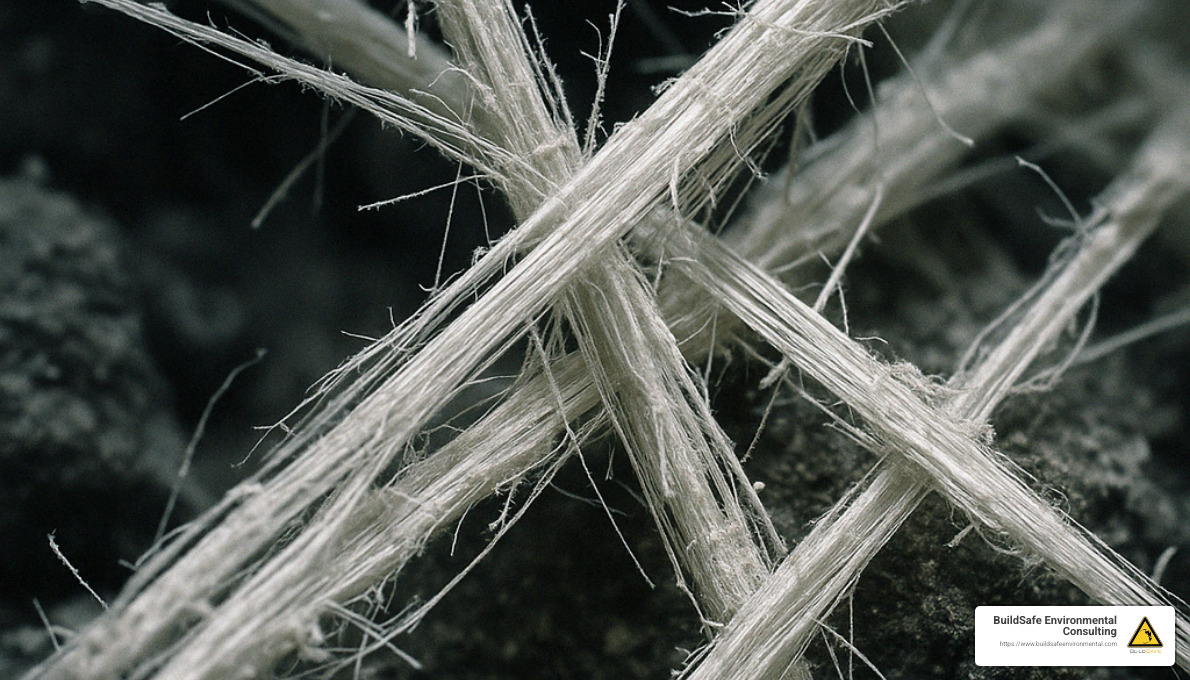
Asbestos is not a single material but a term used for a group of naturally occurring fibrous minerals. These minerals were widely valued in construction and manufacturing throughout the 20th century due to their remarkable properties: heat resistance, durability, and excellent insulating capabilities. The word “asbestos” itself comes from Greek, meaning “not extinguishable” – a testament to its fire-resistant qualities.
In Colorado homes and buildings constructed before 1981, asbestos was commonly used in:
- Insulation around pipes, boilers, and ducts
- Vinyl floor tiles and adhesives
- Textured “popcorn” ceilings
- Roofing materials and shingles
- Cement sheets, pipes, and boards
- Acoustic ceiling tiles
- Wall and attic insulation
When intact and undisturbed, asbestos-containing materials (ACMs) generally don’t pose an immediate health risk. The danger arises when these materials deteriorate or are disturbed during renovation, demolition, or maintenance activities, releasing microscopic fibers into the air.
The Health Hazards of Asbestos Exposure
The health risks associated with asbestos exposure are severe and well-documented. When inhaled, asbestos fibers can become lodged in the lungs and remain there for decades. Over time, these fibers can cause inflammation, scarring, and eventually, serious health problems.
According to medical research, asbestos exposure is linked to several life-threatening conditions:
Mesothelioma: A rare and aggressive cancer affecting the lining of the lungs, abdomen, or heart. Almost all cases of mesothelioma are linked to asbestos exposure.
Lung Cancer: Asbestos exposure significantly increases the risk of lung cancer, especially in smokers.
Asbestosis: A chronic lung disease characterized by scarring of lung tissue, leading to breathing difficulties.
Pleural Thickening: Thickening and hardening of the pleura (the lining around the lungs), which restricts breathing.
What makes asbestos particularly insidious is the long latency period of these diseases. Symptoms may not appear until 20-50 years after exposure, making it difficult to connect the illness to its cause.
William W. from Fort Collins shared his experience: “When we found asbestos in our home during a renovation, we immediately halted work and called professionals. The abatement team was very competent, did a professional job, and cleaned up after themselves. Knowing the health risks, we didn’t want to take any chances.”
This cautious approach is exactly what health experts recommend. The Environmental Protection Agency (EPA) and the Centers for Disease Control and Prevention (CDC) both emphasize that there is no safe level of asbestos exposure.
For more detailed information on asbestos exposure, you can visit the CDC’s ToxFAQs.
Regulations Governing Asbestos Abatement in Colorado
In Colorado, dealing with asbestos isn’t just a matter of caution—it’s a legal necessity. The state has some of the toughest asbestos regulations in the country, all aimed at keeping you and your loved ones safe from the hazards of asbestos exposure. Let’s explore what you need to know.
Colorado’s Asbestos Abatement Laws
At the heart of Colorado’s asbestos regulations is Colorado Regulation 8, Part B. This regulation spells out exactly what needs to happen before any renovation or demolition kicks off. First up, an inspection for asbestos is mandatory to ensure materials are handled safely. There are also specific work practices that must be followed when dealing with asbestos-containing materials, and each abatement project needs to be properly notified to the authorities.
The Colorado Department of Public Health and Environment (CDPHE) is the agency making sure everyone plays by the rules. They’re the ones who certify asbestos professionals, issue permits, and keep a close eye on projects to ensure compliance. And if someone steps out of line? They’re also the ones who take enforcement action.
But it’s not just state regulations you need to worry about. Federally, the EPA’s National Emission Standards for Hazardous Air Pollutants (NESHAP) also have a say, particularly for activities that might release asbestos fibers into the air.
Different buildings have different levels of scrutiny. Single-family homes have specific thresholds for when formal abatement is required, while commercial buildings and multi-unit residences come with even stricter requirements. Special rules also apply to schools, which must conduct regular inspections and develop management plans to keep everyone safe.
A word to the wise: never skimp on safety! Only hire contractors who are CDPHE certified for any asbestos work. This isn’t just about dodging penalties—it’s about keeping everyone healthy.
Certification Requirements for Contractors
In Colorado, not just anyone can jump into asbestos abatement. Anyone doing this work needs to be certified, ensuring they handle this dangerous material with expertise and care. Here’s what’s required:
AHERA Certification: This stands for Asbestos Hazard Emergency Response Act. All abatement workers and supervisors must complete training approved by AHERA to be on the job.
CDPHE Licensing: This includes certifications for professionals like General Abatement Contractors, Asbestos Building Inspectors, Management Planners, Project Designers, Air Monitoring Specialists, Supervisors, and Workers. It’s quite the list, but each role plays a vital part in ensuring safety and compliance.
OSHA Training: Workers must undergo training from the Occupational Safety and Health Administration to manage the risks of asbestos exposure.
Getting certified isn’t just a one-off task. It involves completing EPA-approved training, passing state exams, paying fees, and keeping up with annual renewals and continuing education. This ensures your contractor is always at the top of their game.
When you’re on the hunt for asbestos abatement contractors Colorado, make sure to verify their certifications. You can check the CDPHE website or ask for documentation directly. As Rachel W. from Englewood, CO, wisely puts it, “Working with certified professionals means you’re in good hands. They treat you and your space with respect, and that peace of mind is priceless.”
Identifying Asbestos in Your Home or Business
Before you start swinging that sledgehammer on any renovation or demolition project in Colorado, it’s crucial to find out if you’re dealing with asbestos-containing materials. This is especially important if your building was built before the magic year of 1981. You can’t spot asbestos with just your eyes—it’s time to call in the pros for this one.
Signs You May Have Asbestos
Visual inspection might not tell you much about asbestos, but some hints can raise those red flags.
Building Age is a biggie. If your property was built before 1981, there’s a decent chance it’s hiding some asbestos. Buildings from the 1950s to the 1970s are particularly suspect.
Common Asbestos-Containing Materials are a telltale sign. Think of that deteriorating pipe insulation—it might look like white or gray fluff, but it could be more sinister than it appears. Those shiny vinyl floor tiles, especially the 9″x9″ ones from yesteryears, might be more than just retro chic. And don’t even get us started on popcorn ceilings—what’s hiding in those textured lumps from before 1978? Acoustic ceiling tiles, roofing materials, and certain insulations might also be guilty.
Warning Signs of Potential Asbestos Hazards are crumbling, cracked, or damaged materials. Water damage can be a clue, as can visible fibers or dust lurking in suspicious places. Deterioration around pipes, boilers, or furnaces can also be a sign that it’s time to call in the cavalry.
If you see or suspect any of these, resist the urge to poke or prod. At BuildSafe Environmental Consulting, we can’t stress enough the importance of professional inspection and testing before you proceed. As Von E. from Denver wisely shared, professionals are invaluable in describing their processes and the reasons behind all those safety measures. True experts, indeed!
The Professional Inspection Process is like having a detective on the case. It involves a thorough visual inspection by certified eyes, careful sample collection, and sending those samples off to an accredited lab for a microscopic peek. The result? A comprehensive report telling you exactly where the asbestos is hanging out and how much of it there is.
So, before you start tearing down any walls, remember disturbing asbestos-containing materials without the right precautions can release dangerous fibers into the air. For any renovation or demolition in a pre-1981 building, make professional testing your first step.
Choosing the Right Asbestos Abatement Contractors in Colorado
When it comes to managing asbestos in your home or business, finding the right asbestos abatement contractors in Colorado is absolutely crucial. The expertise of your chosen contractor can significantly affect the safety, compliance, and success of the entire asbestos removal process.
Why Hire Certified Asbestos Abatement Contractors in Colorado
Hiring certified asbestos abatement contractors in Colorado isn’t just a good idea—it’s essential. These professionals bring safety expertise to the table, ensuring proper containment and disposal procedures that keep dangerous fibers at bay. They also ensure regulatory compliance with Colorado’s stringent asbestos laws, which means they handle all the red tape, permits, and meticulous documentation so you don’t have to worry.
Certified contractors come equipped with the proper equipment needed for safe removal, like negative air machines and HEPA filters, not to mention personal protective gear. This level of professionalism provides not only liability protection but also invaluable peace of mind, knowing that your health and property are in capable hands.
Just ask Carla R. from Aurora, CO: “Professional contractors communicate their tremendous knowledge of handling this dangerous product with all skill and expertise. The peace of mind is worth every penny.”
Questions to Ask Potential Contractors
Choosing a contractor is a bit like dating; you need to ask the right questions to make sure it’s a good match. When you’re ready to interview asbestos abatement contractors in Colorado, here’s your go-to list of questions:
Licensing and Certification: Start by verifying their credentials. Ask, “Are you a CDPHE-licensed General Abatement Contractor?” and “Can you provide copies of your company’s and employees’ current certifications?” Confirm that all supervisors and workers are AHERA certified.
Experience and Expertise: Experience matters. Inquire about how long they’ve been in the business and if they’ve handled projects similar to yours. It’s also wise to ask, “What is your approach to containing and removing asbestos in my specific situation?”
Insurance and Liability: Protect yourself by asking about their insurance coverage. “Do you carry specific insurance for asbestos abatement work?” and “Can you provide proof of general liability and workers’ compensation insurance?” Knowing what happens in case of an accidental release is also crucial.
Project Specifics: Clarify the details. Ask if they will manage all permits and notifications with CDPHE, and find out who will perform air monitoring during and after the project. It’s also important to understand the containment methods they will use and how they’ll dispose of the asbestos waste.
References and Reputation: A good reputation speaks volumes. Request references from similar projects and look for any case studies or examples of their work. It’s just as important to ask, “How do you handle unexpected issues that arise during abatement?”
Documentation: Finally, ensure you’ll receive proper documentation upon project completion. Ask, “Will you provide clearance testing results?” and “Do you offer any guarantees or warranties on your work?”
At BuildSafe Environmental Consulting, we always advise getting at least three detailed quotes from qualified contractors. If an estimate seems too good to be true, it probably is. Proper asbestos abatement involves costs reflecting the need for specific equipment, trained personnel, and thorough procedures.
George Denise from Highlands Ranch offers this cautionary tale: “Our house is a designated Denver Landmark and we’re choosy about who does work on it. The abatement contractor was able to remove asbestos wrapped heating pipes and sledgehammer out a 400 lb boiler coated in asbestos plaster-like substance that was built in the basement. The end result was a squeaky clean air quality report from a third-party testing company.”
This third-party verification is exactly what we advocate for at BuildSafe Environmental Consulting. As an independent testing service, we can verify that your abatement contractor has successfully completed the job to all safety standards.
The Asbestos Abatement Process: What to Expect
Understanding the asbestos abatement process helps you know what to expect when working with asbestos abatement contractors in Colorado. While specific procedures may vary depending on the project scope and type of asbestos-containing materials, the general process follows these steps:
1. Initial Inspection and Assessment
Before any abatement work begins, a certified asbestos inspector (often from a company like BuildSafe Environmental Consulting) will:
- Conduct a thorough inspection of your property
- Take samples of suspected asbestos-containing materials
- Have samples analyzed by an accredited laboratory
- Provide a detailed report identifying asbestos locations and concentrations
This inspection is legally required before renovation or demolition projects in Colorado and serves as the foundation for developing an appropriate abatement plan.
2. Project Design and Planning
Based on the inspection results, a project plan is developed that includes:
- Abatement method selection (removal, encapsulation, or enclosure)
- Containment strategies
- Work practices and safety protocols
- Air monitoring procedures
- Waste handling and disposal methods
For larger projects, a certified Project Designer may create this plan. For smaller residential projects, the abatement contractor often handles planning.
3. Regulatory Notification and Permitting
Your asbestos abatement contractor in Colorado will:
- Submit required notifications to CDPHE (typically 10 working days before the project)
- Obtain necessary permits
- Pay applicable fees
- Schedule regulatory inspections if required
According to CDPHE regulations, permit fees vary based on project type:
- Single Family Residential Dwelling Notice: $60.00
- Single Family Residential Dwelling 30-day permit: $180.00
- Larger commercial projects have different fee structures
4. Site Preparation and Containment
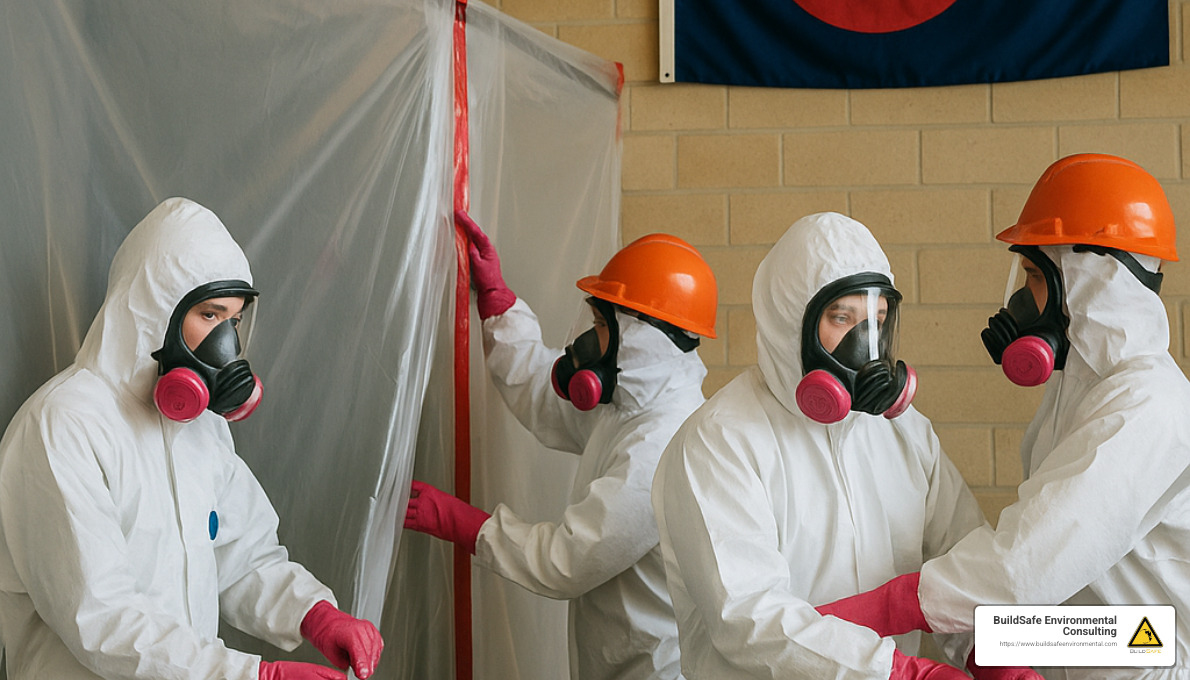
Before disturbing any asbestos-containing materials, the contractor will:
- Seal off the work area with plastic sheeting
- Establish negative air pressure using specialized equipment
- Create decontamination chambers for workers
- Remove furniture and belongings or cover them with protective materials
- Post warning signs around the work area
- Set up HEPA-filtered air scrubbers
This containment is critical to prevent asbestos fibers from spreading to other areas of the building.
5. Abatement Procedures
The actual abatement work depends on the chosen method:
Common Asbestos Abatement Methods
Removal:
- The most common and permanent solution
- Asbestos-containing materials are carefully removed, often after being wetted to prevent fiber release
- Materials are sealed in special containers for disposal
- Surfaces are cleaned using HEPA vacuums and wet-wiping techniques
Encapsulation:
- Asbestos materials are sealed with a special binding agent that prevents fiber release
- Less disruptive and often less expensive than removal
- Appropriate only for materials in good condition
- Requires ongoing monitoring and management
Enclosure:
- Asbestos materials are completely sealed behind airtight barriers
- Typically involves building new walls, ceilings, or other structures
- Less disruptive than removal but requires maintenance of the enclosure
- Not a permanent solution but can be appropriate in certain situations
Throughout the abatement process, air monitoring is conducted to ensure fiber levels remain safe. This may include:
- Background air sampling before work begins
- Perimeter monitoring during abatement
- Personal monitoring for workers
- Daily area monitoring within the containment
6. Clearance Testing and Project Completion
After abatement is complete:
- The work area is thoroughly cleaned
- A visual inspection confirms no visible dust or debris remains
- Clearance air testing is performed by an independent third party (like BuildSafe Environmental Consulting)
- Results must meet stringent standards before containment can be removed
This independent verification is crucial—it confirms that the area is safe for reoccupancy. At BuildSafe Environmental Consulting, we provide this critical third-party verification to ensure your property is truly safe after abatement.
7. Waste Disposal
Asbestos waste must be:
- Double-bagged or wrapped in 6-mil plastic
- Labeled according to regulatory requirements
- Transported by authorized carriers
- Disposed of at landfills specifically permitted to accept asbestos waste
Proper documentation of disposal is maintained and provided to the property owner.
One satisfied customer shared: “By the time they had finished you would never know there was an incident. All of the crews that worked on the house were professional and pleasant. Their attention to detail and consideration of customer’s homes is first class.”
Frequently Asked Questions about Asbestos Abatement Contractors in Colorado
What Certifications Should Asbestos Abatement Contractors in Colorado Have?
When it comes to hiring asbestos abatement contractors in Colorado, you want to make sure they have the right credentials. It’s not just about doing the job—it’s about doing it safely and legally.
First off, every contractor needs a CDPHE General Abatement Contractor Certification. This is the main license they need to work their magic in Colorado. Getting this certification isn’t a one-time deal; contractors must renew it yearly, and it starts with a $2,000 fee. Not exactly pocket change, but it guarantees they’re serious about the job!
The individuals on the ground, both workers and supervisors, need to have completed their AHERA Certification. This includes a 4-day initial training for workers and a 5-day course for supervisors. And, no skimping on the annual refresher training—safety first, always!
Then there’s OSHA Compliance Training. Every worker needs to know the ins and outs of OSHA’s asbestos standards. It’s not just about meeting regulations; it’s about keeping everyone safe from those pesky fibers.
Depending on the project’s complexity, contractors might also need specialists like an Asbestos Building Inspector, Air Monitoring Specialist, Project Designer, or Management Planner on board.
Before you sign anything, double-check their certifications through the CDPHE’s database or give their office a call. Trust me, working with an uncertified contractor is a risk you don’t want to take.
How Much Does Asbestos Abatement Cost in Colorado?
Talking about the cost of asbestos abatement is like discussing the price of a car. It depends on a lot of factors! Here’s a breakdown:
The size of the project plays a big role. Small residential projects might start around $1,500 to $3,000, like removing that dreaded popcorn ceiling in just one room. But if you’re looking at larger residential projects, like a whole-house cleanup, you could be looking at $10,000 to $30,000 or more. And for the big fish—commercial projects—prices go up significantly, depending on the space and complexity.
The type of asbestos-containing material matters too. Some materials, like boiler insulation, are trickier and more time-consuming to remove than, say, floor tiles. And if the material is friable (meaning it crumbles easily), it requires even more careful handling.
Then there’s location. Got asbestos in a hard-to-reach spot? Expect higher labor costs. Confined spaces mean additional safety measures, which can add to the bill.
Method of abatement also affects costs. Removal is usually more pricey than encapsulation or enclosure because it often requires more specialized gear.
Don’t forget about the extras! Permit fees can range from $60 to over $2,000, depending on your project. Air monitoring and clearance testing can add another $500 to $1,500. And let’s not overlook waste disposal and any reconstruction needs after removal.
The best advice? Get multiple quotes from certified contractors and focus on value. You want the job done right, not cheap. At BuildSafe Environmental Consulting, we always stress the importance of getting your money’s worth with proper equipment, trained teams, and thorough procedures.
How Long Does Asbestos Removal Take?
Wondering how long the whole asbestos removal process might take? It all boils down to several factors—let’s dive in.
For starters, the size and complexity of your project will set the pace. Small residential gigs, like handling a single room, might wrap up in just 1 to 3 days. But whole-house projects? You’re looking at 1 to 2 weeks, give or take. And those big commercial projects can stretch from weeks to even months.
Regulations play their part too. The CDPHE requires a 10-day notice before work begins, so that’s something to keep in mind. Plus, you’ll need time for permits and possible inspections.
Here’s a rough idea of what you can expect: Planning and permitting can take about 2 to 3 weeks, then comes site preparation and containment, which may need 1 to 3 days. The abatement work itself depends on the project. Clearance testing usually takes a day or two for the lab results. And finally, site restoration can vary based on how much needs to be rebuilt.
Other factors? Sure! Things like the type and condition of asbestos, how accessible it is, and even the weather can impact timing. And let’s not forget about those unexpected surprises that sometimes pop up during abatement.
A happy client once shared, “Our project was done even sooner than planned. Perfect for a busy mom. In and out in a few hours and back to normal life.” While that’s great for small projects, it’s essential to have realistic expectations for larger ones.
At BuildSafe Environmental Consulting, we work closely with you and your contractor to make sure everything’s on schedule, minimizing any potential delays.
Conclusion
Navigating asbestos abatement in Colorado can feel like a daunting task. But remember, you’re not alone in this. The stakes are indeed high: improper handling of asbestos can lead to severe health issues, legal trouble, and unexpected expenses. But with the right approach, you can tackle this safely and effectively.
Here’s what you need to keep in mind:
Safety is Key: Asbestos fibers, when disturbed, pose serious health risks, making professional intervention a must. It’s not something you want to handle on your own.
Understand Regulations: Colorado has some of the strictest asbestos regulations in the nation. This means you need to ensure permits and certifications are in place before starting any work.
Hire the Right Experts: Certified asbestos abatement contractors in Colorado know the ropes. They bring expertise, proper equipment, and a keen eye for safety to your project.
Follow a Thorough Process: From the initial inspection to clearance testing, the abatement process should be thorough and methodical. This ensures your project meets all safety standards.
Get Independent Verification: At BuildSafe Environmental Consulting, we provide third-party testing that confirms abatement work has been successfully completed. This independent check is your assurance that the job has been done right.
One of our trusted contractors sums it up perfectly: “Safety comes before our bottom line.” It’s a philosophy we stand by, and it should guide your decisions too. Cutting corners is never worth the risk.
If you’re planning a renovation or demolition in a pre-1981 building, or even if you’re just concerned about potential asbestos, take these steps:
Begin with Professional Testing: Confirm where asbestos is present and understand the extent of the issue.
Work with Certified Contractors: Choose those who are well-versed in Colorado’s strict regulations.
Ensure All Permits and Notifications Are Secured: This is crucial to stay compliant and avoid any legal issues.
Verify Work with Independent Testing: Let us provide you with the peace of mind that comes with knowing your property is safe.
Addressing asbestos concerns now is an investment in your health and safety for the future. For more information, visit BuildSafe Environmental Consulting, where we’re dedicated to making sure your asbestos concerns are handled with care and professionalism. Your peace of mind is just a call away.