
Protecting Your Arvada Home from Hidden Dangers
If you’re looking for asbestos abatement Arvada services, here’s what you need to know:
- When to get testing: If your Arvada home was built before 1981, or you’re planning renovation
- Health risks: Asbestos exposure can cause serious lung diseases including mesothelioma and cancer
- Licensed providers: Always use AHERA-certified and state-licensed contractors
- Emergency services: Same-day testing is available if you suspect immediate exposure
- Cost factors: Size of area, material type, and accessibility determine pricing
Asbestos abatement Arvada services are critical for homeowners and businesses dealing with this dangerous material that lurks in many older buildings throughout Colorado. While completely safe when undisturbed, even minor activities like drilling a hole to hang a picture can release dangerous fibers into your air.
Most Arvada properties built before 1981 contain asbestos in insulation, ceiling textures, floor tiles, and other common building materials. Without proper professional removal following strict safety protocols, you and your family could face serious long-term health risks.
I’m Craig Luckey, and as a business owner with experience in environmental hazard assessment, I’ve helped countless Arvada residents steer the complex process of asbestos abatement Arvada safely and effectively. My team at BuildSafe Environmental Consulting is committed to protecting your family’s health through thorough testing and proper remediation guidance.
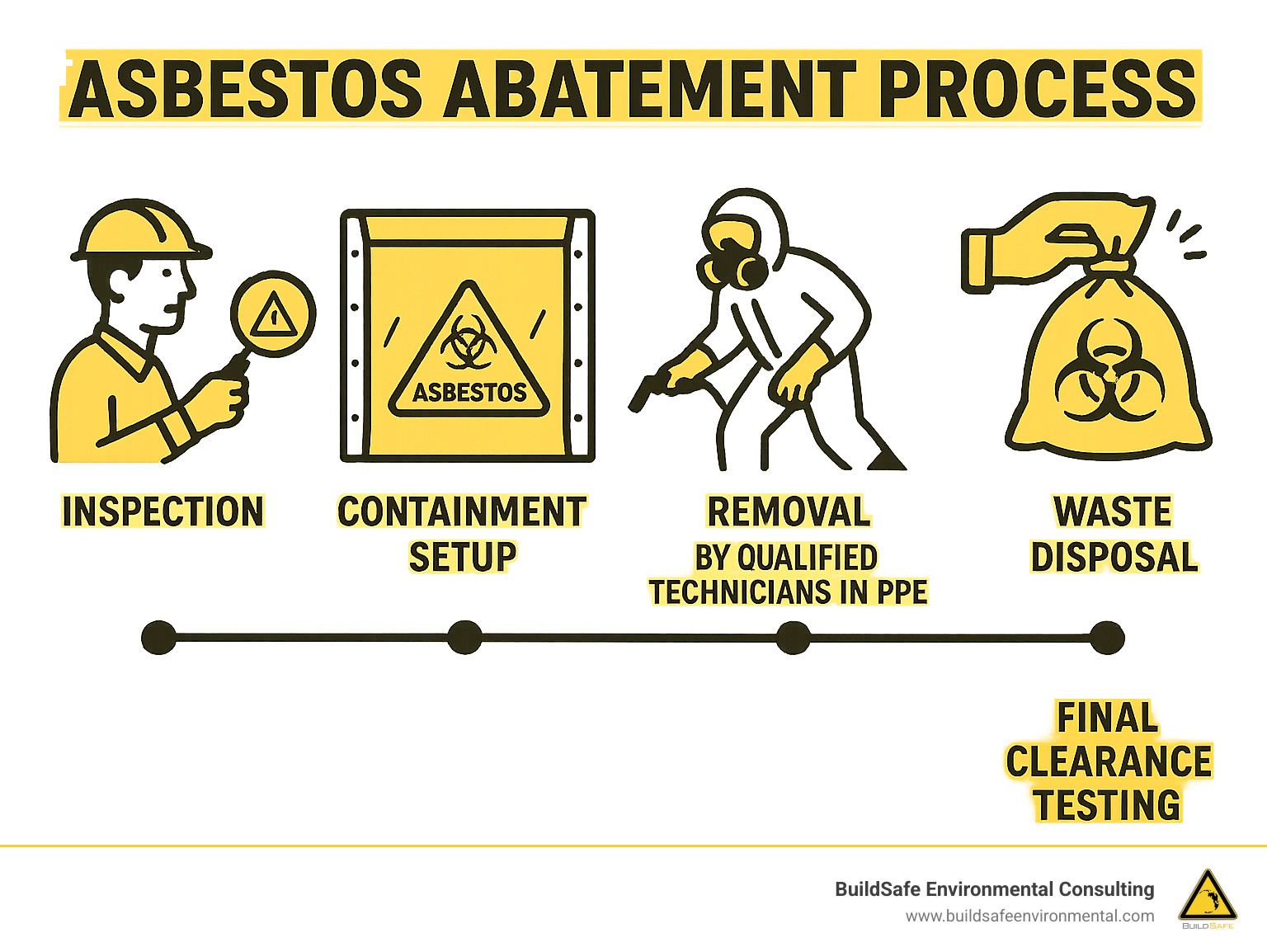
Essential asbestos abatement arvada terms: – asbestos abatement colorado – asbestos abatement contractors colorado
Why This Guide Matters
For Arvada homeowners, understanding asbestos risks isn’t just about safety—it’s about making informed decisions for your family’s health. With many homes in the area built during peak asbestos use periods, the chances of encountering this material during renovations or repairs are significant.
For business owners, compliance with strict federal and state regulations isn’t optional. The penalties for improper handling can be severe, not to mention the potential liability issues that could arise from exposing employees or customers.
And if you’re planning any renovation project in an older Arvada property, this guide could save you thousands in unexpected remediation costs by helping you plan properly from the start.
1. What Is Asbestos & Why It’s Dangerous
Ever wondered what makes asbestos abatement Arvada services so important? It starts with understanding what asbestos actually is.
Asbestos is a group of naturally occurring minerals that form into tiny, microscopic fibers. Back in the day, builders loved these minerals for their remarkable heat resistance, durability, and insulating properties. They seemed like a miracle material – until we finded the devastating health effects they can cause.
Here’s the tricky part about asbestos – it’s perfectly harmless when left alone. As one of our BuildSafe technicians often tells homeowners, “Asbestos materials in their ‘normal installed state’ are ok, but when disturbed, they can release harmful fibers.” This is what makes asbestos so sneaky. That popcorn ceiling or old floor tile isn’t dangerous until someone starts scraping, drilling, or removing it.
The real danger lies in just how tiny these fibers are. At less than 0.01 micrometers in diameter, you can’t see them floating in the air after a renovation project disturbs them. These invisible intruders can hang suspended in your home’s air for hours, waiting to be inhaled by you or your family members.
Once inhaled, these microscopic fibers can lodge deep in your lung tissue – and they don’t leave. Even more concerning is how long it takes for symptoms to appear. The latency period between exposure and disease development typically ranges from 20-50 years. By the time someone realizes they’re sick, the damage is often extensive and irreversible.
Scientific research on asbestos health effects has firmly established the connection between asbestos exposure and several life-threatening conditions, which is why proper asbestos abatement Arvada services are so crucial for protecting your family.
Health Risks at a Glance
The health consequences of breathing in asbestos fibers can be devastating:
Mesothelioma is perhaps the most notorious asbestos-related disease – a rare, aggressive cancer affecting the lining of the lungs, heart, or abdomen. Almost exclusively caused by asbestos exposure, this cancer comes with a grim prognosis: most patients survive just 12-21 months after diagnosis.
Lung cancer risk skyrockets with asbestos exposure, especially for smokers. The combination of smoking and asbestos exposure doesn’t just add risk – it multiplies it. I’ve seen this tragic combination affect too many Colorado families over the years.
Asbestosis develops when asbestos fibers create scarring in lung tissue, leading to decreased lung function, chronic shortness of breath, and in severe cases, respiratory failure. Unlike a cold or flu, this condition progressively worsens over time.
Perhaps most troubling is that experts have found no safe level of asbestos exposure. As one of our BuildSafe professionals explains, “Individual physiological responses to asbestos vary, making no universal exposure threshold.” This “X factor” means even brief exposure during a weekend DIY project could potentially cause disease in some individuals, while others might not develop illness despite higher exposure levels.
When it comes to your family’s health, why take the risk? Professional asbestos abatement Arvada services ensure these dangerous fibers don’t become an invisible threat in your home.
2. Where Asbestos Lurks in Arvada Homes & Businesses
If you live in Arvada, you’re probably surrounded by neighborhoods that blossomed during the mid-20th century building boom. Unfortunately, this means many local homes and businesses were built during the peak era of asbestos use. Knowing where this dangerous material might be hiding is your first line of defense.
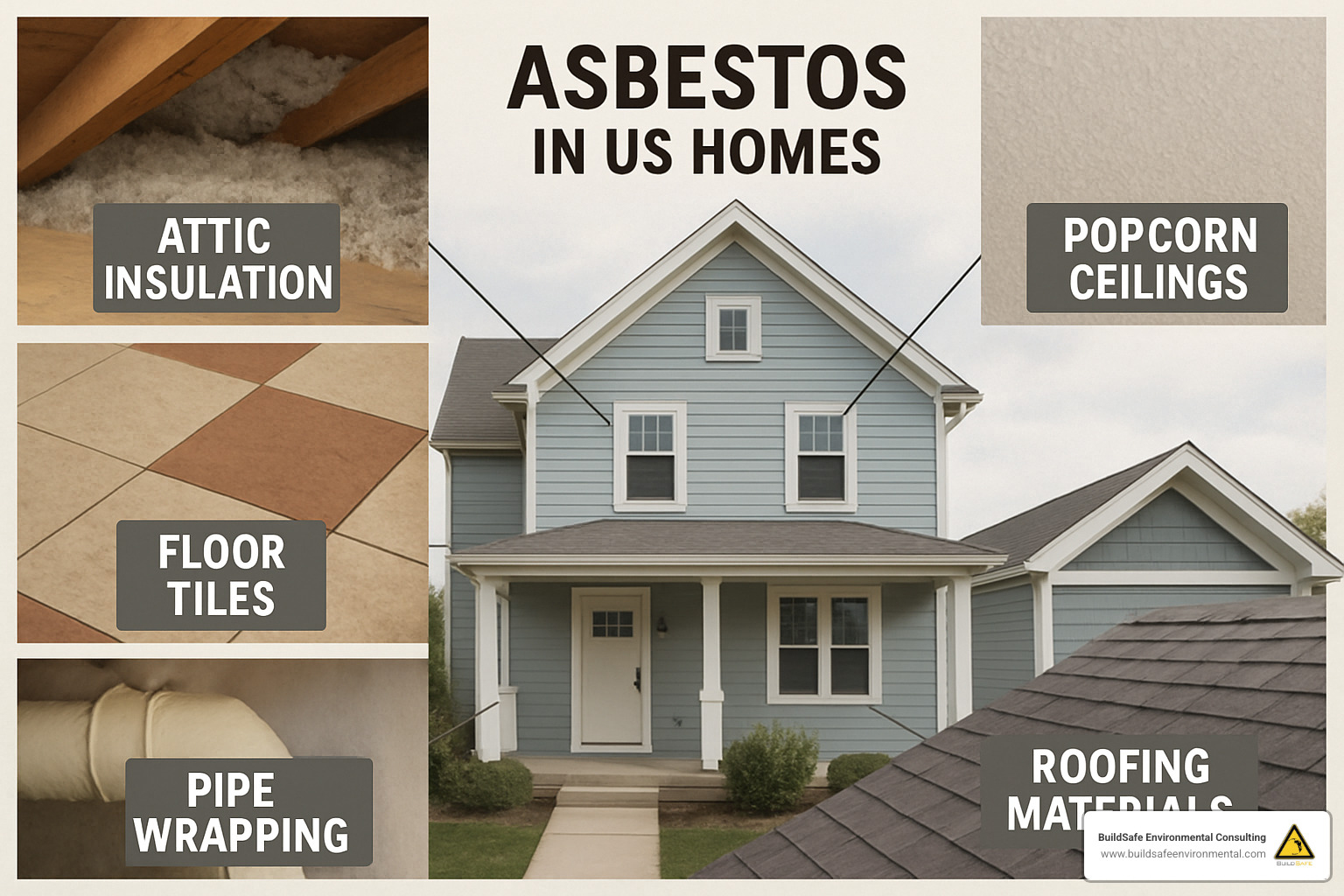
Those beautiful popcorn ceilings that were all the rage in Arvada homes built before 1981? They’re often loaded with asbestos. Even something as simple as installing a new light fixture could release harmful fibers into your family’s breathing space.
When it comes to insulation, asbestos is a triple threat. It might be hiding in your attic and walls, wrapped around pipes in your basement, or lurking in that vermiculite insulation that looks like small pebbles in your attic. Many Arvada homeowners are shocked to find just how prevalent asbestos insulation is in their older homes.
Walking across your kitchen? That vintage vinyl flooring with its charming retro pattern might contain up to 70% asbestos. Even worse, the adhesive used to secure it often contained asbestos too. This becomes particularly problematic during renovations when tiles might crack or break.
“Asbestos is still present in many pre-1980s buildings in Arvada, and even minor disturbances like drilling a hole can trigger a dangerous exposure event,” notes one local environmental expert I’ve worked with for years.
Your home’s HVAC system isn’t immune either. Older ductwork, especially in commercial buildings throughout Arvada, frequently used asbestos insulation or tape at the joints. This becomes particularly concerning when air is flowing through these systems, potentially distributing fibers throughout your property.
That durable roofing that’s protected your home for decades? Asbestos was commonly used in shingles, felt, and other roofing components specifically because it was so resistant to fire and weathering.
Inside your walls, drywall and joint compound often contained asbestos, as did some textured wall finishes that were popular in Arvada homes of a certain era. Meanwhile, in your basement or utility areas, that wrapped pipe insulation might contain asbestos concentrations as high as 85%.
Older Arvada homes with boiler heating systems are particular hotspots, as these systems frequently have asbestos insulation surrounding both the boiler itself and associated piping. Even electrical components weren’t spared – some panels, wiring insulation, and certain light fixtures contained this hazardous material.
Step outside, and you might find asbestos in your home’s exterior materials too. Siding, stucco, and some exterior paints all used asbestos for its durability and weather resistance.
For Arvada’s commercial buildings, the concerns multiply. Beyond the residential applications, asbestos abatement Arvada professionals regularly find the material in fire doors, elevator brake shoes, laboratory countertops, and specialized industrial equipment.
The bottom line? If your Arvada property was built before 1981, there’s a good chance you’re sharing your space with asbestos-containing materials. The good news is that when left undisturbed, these materials generally pose minimal risk. But any renovation, repair, or even minor home improvement project could change that equation dramatically.
3. Determining When Asbestos Abatement in Arvada Is Necessary
Let’s face it – not every situation involving asbestos requires you to immediately call in the hazmat team. Understanding when you truly need remediation versus when monitoring is enough can save you thousands of dollars while still keeping everyone safe.
Here in Arvada, several specific situations typically mean it’s time to consider professional asbestos abatement:
When you’re planning renovations, the City of Arvada and Jefferson County won’t even issue permits for buildings constructed before 1988 without proper asbestos inspections first. It’s not just bureaucracy – it’s for everyone’s protection.
Buying or selling a property? Many lenders and buyers in our area request asbestos inspections during the due diligence process, especially for commercial buildings or those charming older Arvada homes with so much character (and potentially hidden hazards).
If you can actually see materials deteriorating – like that popcorn ceiling starting to flake or old pipe insulation looking ragged – that’s a clear warning sign. Colorado’s Regulation 8 (administered by CDPHE) and federal EPA NESHAP regulations aren’t just suggestions – they mandate proper handling of asbestos in various situations.
And unfortunately, after disasters like the flooding we’ve seen in recent years or home fires, damaged building materials may release previously contained asbestos fibers.
As we often tell our Arvada clients: “By partnering with us, we’ll remove every square inch of unsafe material so you can have total peace of mind regarding your property.”
Signs Your Property Needs “asbestos abatement arvada” Services
Knowing when to call in professionals for asbestos abatement in Arvada isn’t always obvious, but these warning signs should get your attention:
When materials become friable – that’s the technical term for anything containing asbestos that can be crumbled or reduced to powder with simple hand pressure – they pose a much higher risk of fiber release. Those damaged pipe wrappings in your basement or crawlspace? They’re prime candidates for releasing fibers.
That vintage popcorn ceiling might have looked great in the 70s, but if it’s now showing water damage or beginning to flake, it could be releasing microscopic dangers. Similarly, those old vinyl floor tiles curling at the edges or breaking apart aren’t just unsightly – they could be hazardous.
If you notice unusual dust around vents or ceiling fixtures in an older home, don’t just grab the duster. This might indicate deteriorating asbestos-containing materials.
And honestly, the age of your structure alone is a significant factor. If your Arvada home was built before 1981 and still has original materials in place, the likelihood of asbestos presence is substantially higher.
As one of our remediation experts often reminds clients: “Asbestos exposure can be triggered by minor disturbances such as drilling a hole to hang a photo.” It’s startling how everyday activities in older homes can potentially create hazardous situations.
Emergency “asbestos abatement arvada” Scenarios
Some situations simply can’t wait for a scheduled appointment – they need immediate attention from asbestos abatement Arvada professionals:
After a house fire, the damage goes beyond what’s visibly burned. Fire can damage asbestos-containing materials and distribute invisible fibers throughout your property. We recently worked with a family where “a fire released asbestos into the air, necessitating wall texture removal” throughout multiple rooms.
Flood recovery presents similar urgent concerns. Water damage can deteriorate asbestos-containing materials, making them more likely to release fibers as they dry out and crumble.
Those DIY projects can sometimes lead to accidental disturbances – like when you punch through a wall only to find suspicious materials inside. Or worse, structural issues like a ceiling collapse that suddenly exposes everyone to potentially hazardous materials.
Even planned renovations can turn into emergency situations when contractors unexpectedly encounter suspicious materials that halt all work until proper testing can be completed.
For these urgent scenarios, at BuildSafe Environmental Consulting, we offer same-day testing services in Arvada to quickly identify risks and develop appropriate response plans. Our approach helps you quickly understand the extent of potential exposure and create a clear path forward. As one client noted after an emergency situation: “Having same-day air testing results made all the difference in knowing whether my family could safely return home.”
4. Professional Inspection & Testing Process
When it comes to asbestos, guesswork simply isn’t an option. Professional inspection and testing is the only reliable way to determine if this hazardous material is present and whether it poses a health risk to you and your family.
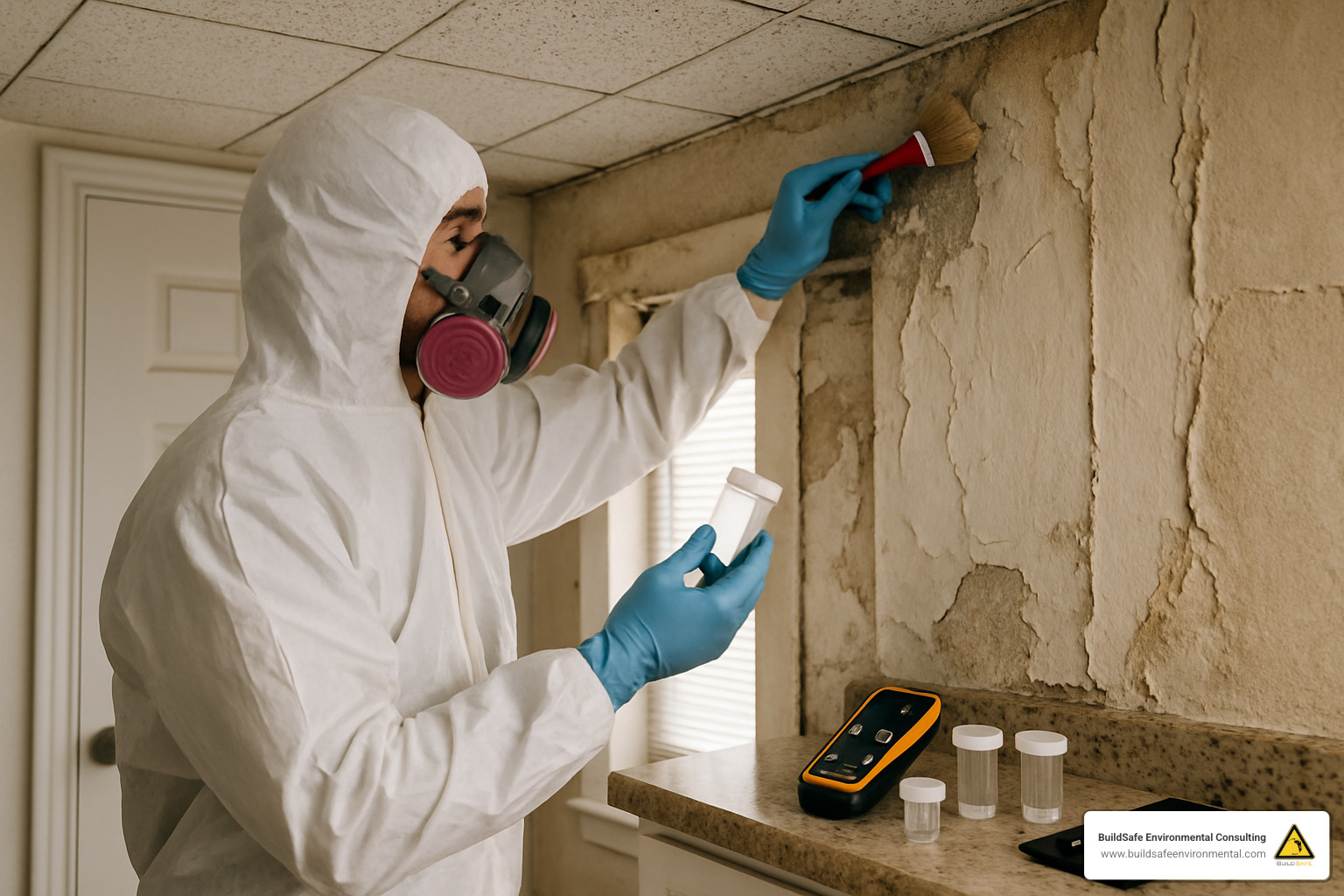
At BuildSafe Environmental Consulting, we’ve developed a thorough inspection and testing process that follows both industry best practices and strict regulatory guidelines. Here’s what you can expect when you work with our team:
First, our AHERA-certified inspectors conduct a detailed visual examination of your Arvada property. We’re looking for telltale signs of potential asbestos-containing materials based on their appearance, age, and location in your home. Think of this as detective work – we know where asbestos typically hides.
Next, we develop a smart sampling strategy that targets suspicious materials throughout your property. This isn’t random – we use our experience to focus on the most likely problem areas so we don’t miss anything important.
Then comes the careful collection of bulk samples. Using specialized tools and techniques designed to minimize fiber release (the last thing we want to do is make the situation worse!), we take small samples of suspect materials. Our technicians wear appropriate protective equipment during this process to ensure their safety and yours.
These samples are promptly sent to accredited laboratories where they’re analyzed using polarized light microscopy (PLM). This sophisticated testing identifies not just whether asbestos is present, but also determines its concentration – critical information for planning any needed asbestos abatement Arvada services.
In situations where we need to assess airborne fiber levels, we can also perform air sampling using one of two methods: Phase Contrast Microscopy (PCM) or Transmission Electron Microscopy (TEM). Each has its place depending on your specific circumstances.
Finally, you’ll receive comprehensive documentation of all findings, including sample locations, laboratory results, and clear recommendations for next steps. We believe in empowering you with knowledge, not just data.
As an independent environmental consulting firm, our third-party verification provides an unbiased assessment that ensures proper mitigation strategies are implemented when necessary. We don’t perform removal work ourselves, which means we have no incentive to “find” problems that don’t exist – our only goal is accuracy.
Want to learn more about why testing is so crucial? Our article on Asbestos Testing – Why It’s Crucial Before a Renovation Project explains in detail why proper testing before any renovation work is essential for both health protection and regulatory compliance.
PCM vs TEM Air Testing Methods
When it comes to air testing, understanding the differences between testing methods can help you make informed decisions:
| Feature | Phase Contrast Microscopy (PCM) | Transmission Electron Microscopy (TEM) |
|---|---|---|
| Cost | Lower cost | Higher cost |
| Speed | Results available same-day | Typically 24-48 hours |
| Accuracy | Cannot distinguish between asbestos and other fibers | Can identify specific asbestos fiber types |
| Detection Limit | Limited to fibers >5 microns | Can detect much smaller fibers |
| Best Use | Clearance testing, occupational exposure monitoring | Detailed analysis, litigation support, sensitive environments |
| Regulatory Standard | OSHA compliance | EPA recommended for schools, hospitals |
“Our state-of-the-art laboratory provides precise asbestos sample analysis with same-day results available for urgent situations,” is something we’re proud to offer at BuildSafe. This rapid turnaround can be absolutely crucial when you’re dealing with emergency situations or when construction schedules are tight and delays could cost thousands.
For Arvada homeowners and businesses, having access to fast, accurate testing means you can make informed decisions about asbestos abatement Arvada services without unnecessary delays or guesswork. Peace of mind shouldn’t have to wait on slow lab results when your family’s health is at stake.
5. Step-By-Step Guide to Safe Removal & Cleanup
When asbestos abatement in Arvada becomes necessary, the process isn’t something you can tackle with a DIY approach. At BuildSafe Environmental Consulting, though we focus on testing and verification rather than removal, we’ve seen what proper abatement looks like. We work closely with qualified contractors and can help you understand what to expect when it’s time to remove this dangerous material from your home or business.
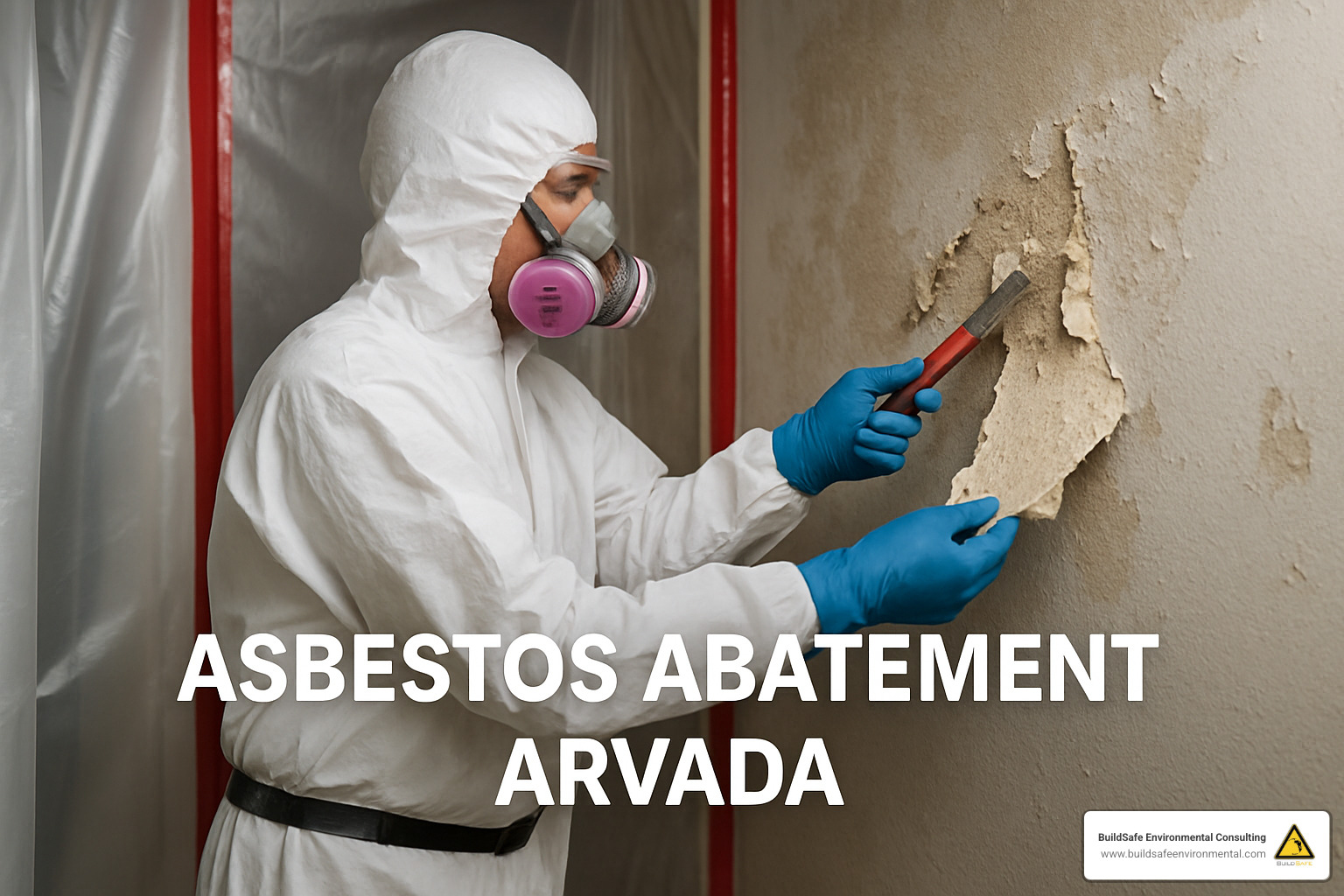
A proper asbestos abatement Arvada process begins with thoughtful planning. Before a single piece of protective gear goes on, a detailed plan is developed based on inspection results. This plan addresses specific materials, quantities, and removal methods custom to your unique situation.
Next comes the paperwork – not the most exciting part, but absolutely essential. Colorado law requires notification to the Colorado Department of Public Health and Environment (CDPHE) before most asbestos projects can begin. Skip this step, and you could face serious penalties.
“The containment setup is really where the science of safety begins,” as one of our partnering contractors often says. The work area gets completely isolated from the rest of your building using plastic sheeting and tape, creating what professionals call a containment zone. Think of it as creating a bubble around the hazard.
Inside this bubble, special equipment creates negative air pressure – a fancy way of saying the air flows inward rather than outward. This ensures any floating asbestos fibers get pulled into HEPA filters instead of drifting into your living room or office space.
The technicians who enter this containment area look like they’re ready for a moon mission. Full protective suits, respirators, gloves, booties – the works. This isn’t overkill; it’s necessary protection against microscopic fibers that can cause serious health problems decades later.
Wet methods are the gold standard in asbestos removal. By thoroughly wetting materials before and during removal, fiber release is dramatically reduced. As one expert notes, “Use of specialized equipment like HEPA vacuums and wetting agents is essential to reduce airborne fibers.” This isn’t just spraying with a garden hose – special surfactants help water penetrate and lock down those dangerous fibers.
The actual removal process is methodical and careful. Materials are removed with minimal breakage or damage to reduce fiber release. This might mean gently prying up floor tiles instead of breaking them, or carefully cutting around pipe insulation rather than tearing it off.
Once removed, asbestos waste gets sealed in leak-tight containers with appropriate hazardous waste labeling. These containers then make their journey to specially designated landfills authorized to accept asbestos material – not your regular neighborhood dump.
After all the visible material is gone, the real cleaning begins. Every surface within the containment area gets a thorough HEPA vacuuming and wet wipe-down. Nothing is left to chance when it comes to removing invisible fibers.
Before anyone declares “mission accomplished,” independent clearance testing is essential. This is where BuildSafe Environmental Consulting often comes in – we conduct thorough visual inspections and air testing to verify that fiber levels are below regulatory limits before containment is removed.
Documentation is the final piece of the puzzle. Complete records of the project are maintained, including waste disposal manifests, air monitoring results, and project logs. These records aren’t just for regulatory compliance – they provide peace of mind and can be valuable if you sell your property in the future.
“All asbestos abatement technicians in Colorado must be AHERA trained and certified,” reminds one industry source, “and companies must comply with strict EPA, OSHA, and CDPHE regulations.” This training ensures that technicians understand the proper techniques and safety protocols for handling this hazardous material.
For more detailed information on industry best practices, check out The Professional Approach to Asbestos Abatement. It’s a resource we often share with clients who want to understand the “why” behind each careful step in the process.
When it comes to asbestos abatement in Arvada, cutting corners isn’t just against regulations – it’s potentially putting lives at risk. The process might seem elaborate and time-consuming, but it’s designed with one priority in mind: keeping you, your family, and the environment safe from this invisible threat.
6. Preventing Future Exposure & Handling Emergencies
Once you’ve dealt with asbestos in your Arvada property, the journey isn’t over. Staying vigilant is key to protecting your family or employees from future exposure risks. I’ve seen too many homeowners breathe a sigh of relief after abatement, only to face new challenges down the road.
“The peace of mind that comes with proper asbestos management is priceless,” as one of our clients recently told me. Let me share some practical wisdom about keeping your property safe long-term.
Regular inspections are your first line of defense. Even if you’ve had asbestos abatement Arvada services, your home might still contain some safely encapsulated materials. Schedule periodic visual checks of these areas, especially before any renovation work. At BuildSafe, we recommend documenting these inspections in a simple management plan that tracks the condition of any remaining materials.
Maintenance workers and contractors need to know what they’re dealing with. If your property has known asbestos-containing materials that haven’t been removed, make sure anyone working on your property understands where they are. A simple heads-up can prevent an accidental disturbance that could release dangerous fibers.
Keep your records organized. Store all testing reports, abatement documentation, and inspection results in one accessible place. These records aren’t just paperwork—they’re valuable documentation for future property sales, renovation permits, or insurance claims.
When emergencies happen—and they sometimes do—quick action matters. If you suspect an asbestos release due to damage, water intrusion, or accident, first create distance. Move everyone away from the area and restrict access. Then call professionals immediately for emergency assessment. Our team at BuildSafe offers rapid response for these situations because we understand that every hour matters when asbestos fibers might be in your air.
Insurance claims for asbestos issues can be complicated, but proper documentation makes all the difference. Many of our clients don’t realize their policies may cover certain types of asbestos remediation. We can help you steer these waters with the detailed documentation and professional assessments insurance companies require.
“It’s not just about removing the hazard—it’s about verifying the job was done right,” explains one of our senior inspectors. Third-party verification from BuildSafe gives you confidence that your asbestos abatement Arvada contractor did thorough work, which can strengthen insurance claims and protect your investment.
Environmental issues rarely travel alone. Where there’s asbestos, we often find other concerns like mold or lead paint, especially in older Arvada homes. That’s why we offer comprehensive testing services that look at the bigger picture of your indoor environment. Scientific research on indoor air quality shows these hazards often compound each other’s effects, making comprehensive testing especially valuable.
For properties that have experienced flooding or water damage, our mold testing services complement our asbestos work perfectly. And for pre-1978 homes, our lead assessment services help create a complete picture of potential hazards.
With asbestos, prevention truly is the best medicine. By staying proactive about monitoring, maintaining good records, and calling in professionals at the first sign of trouble, you’re protecting not just your property but the health of everyone who lives or works there.
At BuildSafe Environmental Consulting, we’re always just a phone call away when you need guidance, emergency response, or simply peace of mind about your Arvada property’s environmental safety.
Frequently Asked Questions About Asbestos Abatement in Arvada
How can I tell if my Arvada property contains asbestos?
Wondering if that popcorn ceiling might be hiding a health hazard? While suspicious materials can raise red flags, there’s only one way to know for certain if asbestos is present: professional laboratory testing.
That said, several clues might suggest you need asbestos abatement Arvada services:
If your Arvada home was built before 1981, there’s a strong chance asbestos materials were used during construction. Certain visual indicators can also raise suspicion – those distinctive 9″x9″ floor tiles, textured popcorn ceilings, corrugated pipe wrapping, and certain siding materials were frequently made with asbestos. Also consider your home’s renovation history – if your pre-1981 property still has mostly original materials, asbestos is more likely present.
One industry expert puts it plainly: “Without proper sampling by a qualified inspector, asbestos identification is difficult and risky.” At BuildSafe Environmental Consulting, our AHERA-certified inspectors can visit your Arvada property, identify suspicious materials, and collect proper samples for definitive laboratory analysis – giving you peace of mind or a clear path forward if abatement is needed.
What certifications should an abatement contractor hold?
When it comes to removing dangerous materials from your home, you want professionals who know exactly what they’re doing. Before hiring anyone for asbestos abatement Arvada work, verify they have these essential qualifications:
First and foremost, they must hold a valid General Abatement Contractor License from the Colorado Department of Public Health and Environment (CDPHE). This isn’t optional – it’s required by law.
Additionally, their supervisors should have completed AHERA (Asbestos Hazard Emergency Response Act) certification, and the best companies ensure all their technicians have this important training too. For complex projects, look for workers who’ve completed the 40-hour HAZWOPER course from OSHA, which covers proper handling of hazardous materials.
Don’t forget to verify insurance coverage! Make sure they carry proper pollution liability insurance specifically covering asbestos work. And whenever possible, choose contractors with experience in Arvada’s unique building styles and familiar with local regulations.
As one industry professional notes, “All asbestos abatement technicians in Colorado must be AHERA trained and certified, and companies must comply with strict EPA, OSHA, and CDPHE regulations.” These requirements protect you, your family, and the workers themselves.
How long does a typical residential abatement project take?
“When can I get back into my home?” is one of the most common questions we hear. While every asbestos abatement Arvada project is unique, most residential jobs follow a predictable timeline.
For a typical project like removing asbestos ceiling texture from a few rooms, expect the entire process to take 1-3 days from start to finish. The exact timeline depends on several factors: the size of the affected area, the type of materials being removed (some are more challenging than others), how accessible the asbestos is, and the time needed for proper clearance testing.
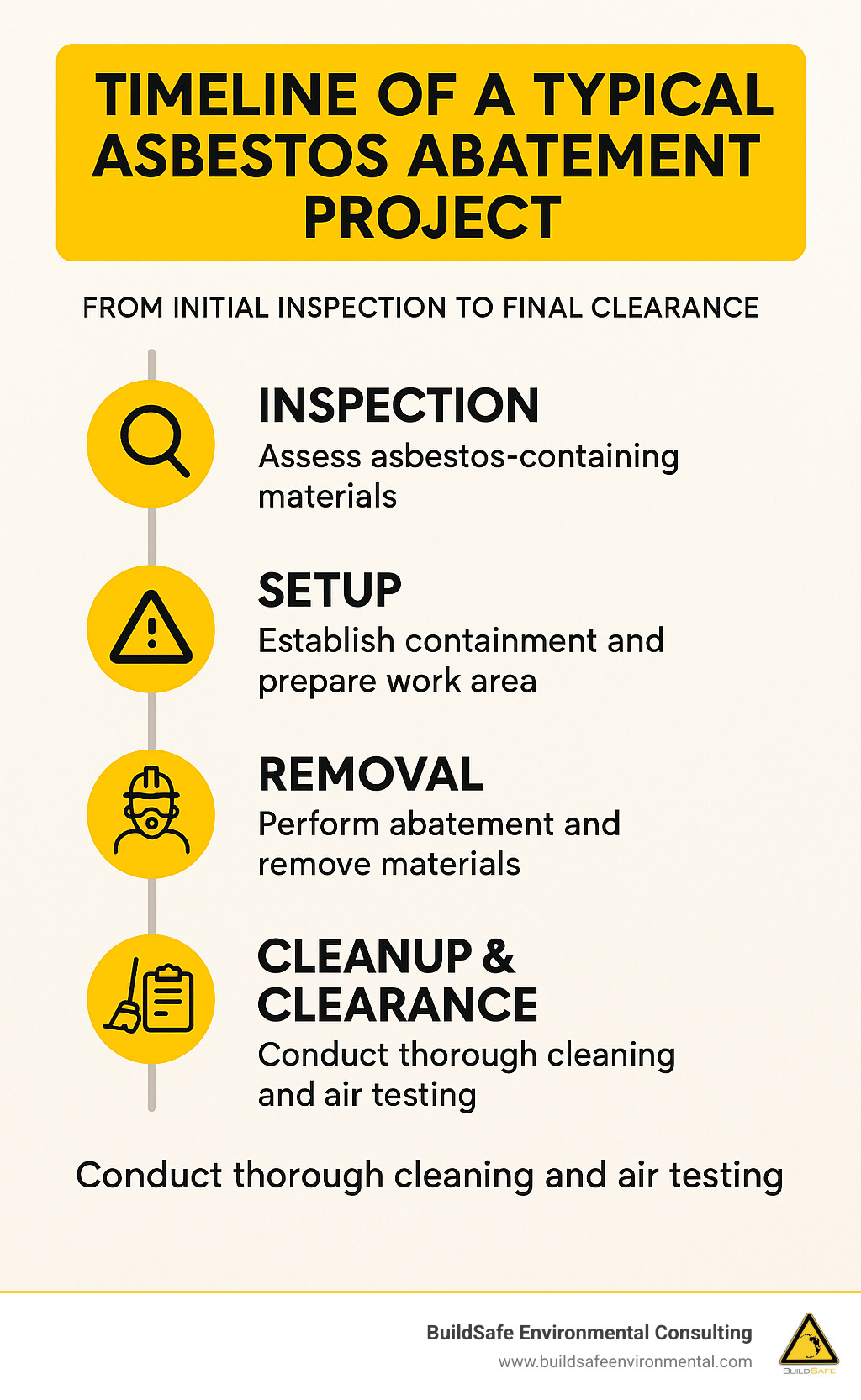
Here’s what the process typically involves:
Setup usually takes half a day to a full day, as crews establish proper containment areas and prepare the workspace. The actual removal process might take anywhere from half a day to two days depending on the scope. Finally, thorough cleanup and clearance testing generally requires another half-day to full day to ensure your home is safe.
As one local provider proudly states, “Our expert solutions and same-day answers ensure the best treatment available in Arvada,” highlighting how experienced professionals can work efficiently while maintaining safety standards.
At BuildSafe Environmental Consulting, we work closely with abatement contractors throughout the process and provide rapid clearance testing to help you get back to normal life as quickly as possible – without cutting corners on safety.
Conclusion
Asbestos abatement in Arvada isn’t just a regulatory checkbox—it’s a critical step in protecting the health and safety of everyone who lives, works, or visits your property. Throughout this guide, we’ve walked through the entire process from identification to final clearance, giving you the knowledge you need to approach this serious issue with confidence.
I’ve seen how many Arvada homeowners feel overwhelmed when finding they need asbestos removal. The good news? With proper professional guidance, the process can be straightforward, efficient, and most importantly, safe.
At BuildSafe Environmental Consulting, we take pride in being your trusted partner through this journey. As an independent third-party testing service, we bring something unique to the table—unbiased verification that ensures your abatement contractor has truly completed the job properly. This independent assessment provides invaluable peace of mind that your home or business is truly safe for occupancy.
What makes our approach different is our focus on education and transparency. We don’t just hand you test results—we take the time to explain what they mean for your specific situation. Whether you’re dealing with a small renovation project or a complex commercial abatement, our team provides the same attentive, personalized service.
When it comes to asbestos abatement in Arvada, cutting corners isn’t an option. The potential health consequences are simply too serious. That’s why we maintain rigorous standards and stay current with the latest testing methodologies and regulatory requirements.
We’d love to help you steer your asbestos concerns with a free, no-obligation project review. Our team serves the entire Front Range region, including Denver, Longmont, Fort Collins, and of course, right here in Arvada. We’re just a phone call away whenever you need expert guidance on environmental testing.
For more detailed information about our comprehensive asbestos testing services, please visit our Environmental Testing Services – Asbestos Testing page.
In the end, professional asbestos assessment isn’t just about meeting regulations—it’s about protecting what matters most: the health and safety of your family, employees, customers, and everyone else who enters your property. Let us help you breathe easier, both literally and figuratively, with our thorough, professional asbestos abatement Arvada testing services.