
Key Takeaways
Free mold inspection Denver services often include only a visual assessment, meaning hidden mold and airborne spores may go undetected without proper testing.
Free mold inspection limitations can lead to missed contamination or biased recommendations, especially when inspections are tied to remediation sales.
Professional mold testing services provide unbiased lab analysis and detailed reports, ensuring accurate results that protect your health and property.
Free Mold Inspection Denver: What Every Homeowner Needs to Know
When you first notice that musty smell or suspicious dark spot in your bathroom, panic can set in. Is it mold? How bad is it? And most importantly – how much will it cost to fix? That’s where a free mold inspection Denver service comes into the picture.
As a homeowner in the Mile High City, you deserve to know exactly what you’re getting when a company offers a free inspection. While it sounds like a great deal (and it often can be), understanding the scope and limitations helps you make informed decisions about your home’s health.
| What Does a Free Mold Inspection Denver Include? | Limitations to Watch For |
|---|---|
| Visual assessment of problem areas | No lab testing (unless you pay extra) |
| Inspector checks basements, bathrooms, attics | Verbal or brief written summary only |
| Moisture meter or infrared camera (sometimes) | May be upsells for paid remediation |
| Advice on next steps if mold is spotted | Not always fully unbiased or certified |
Most free mold inspection Denver visits are primarily visual examinations. A trained inspector will check common trouble spots like your basement, bathrooms, and attic – areas where Denver homes frequently develop moisture issues due to our unique climate. Some companies might use basic tools like moisture meters during the free assessment, but comprehensive testing typically comes with additional fees.
It’s worth noting that many free inspections are offered by remediation companies hoping to win your business if mold is finded. While there’s nothing inherently wrong with this approach, it can sometimes create a conflict of interest. You’ll want to consider whether the inspector has an incentive to find problems that may not be serious.
“Knowing is half the battle.”
– BuildSafe Environmental Consulting
Denver’s climate creates unique challenges for homeowners. Our high altitude means intense UV exposure that can damage exterior seals, while seasonal snowmelt creates opportunities for water intrusion. Once moisture finds its way in, mold can establish itself within just 24-48 hours – making prompt inspection crucial when you notice warning signs.
If you’re experiencing unexplained allergy symptoms, notice water stains, or detect that distinctive musty odor, don’t wait. These are all potential indicators that mold may be present in your home, affecting both your property value and your family’s health.
I’m Craig Luckey, owner and field inspector at BuildSafe Environmental Consulting. Having performed hundreds of free mold inspection Denver visits over nearly a decade in the industry, I’ve seen how early detection can save homeowners thousands in remediation costs. More importantly, I understand that behind every inspection request is a family concerned about their health and home.
What matters most is getting clear, honest answers about your situation from someone who puts your interests first. Whether you’re dealing with a small bathroom issue or concerned about hidden problems throughout your home, a proper inspection is your first step toward peace of mind and a healthy living environment.
What Is a “Free Mold Inspection” in Denver?
When you hear “free mold inspection Denver,” you’re probably wondering what you actually get without opening your wallet. Simply put, it’s an initial visit where a professional comes to your home at no charge to look for visible signs of mold and moisture issues.
During this visit, an inspector will walk through your home focusing on common trouble spots like your basement, bathrooms, attic, and crawl spaces. They’ll look for telltale signs like water stains, discoloration on walls or ceilings, peeling paint, and that unmistakable musty odor that often signals mold’s presence.
Most inspectors will bring basic tools like moisture meters to check dampness levels in suspicious areas. Some might even use infrared cameras to spot temperature differences that could indicate hidden moisture behind walls—though the fancier equipment isn’t always included in the free service.
At the end, you’ll typically receive a verbal summary of what they found and some general recommendations about next steps. It’s a good first look, but there are limitations to be aware of.
What you won’t get with a free mold inspection Denver service is laboratory testing (those air or surface samples always come with extra fees), a comprehensive written report, or an exhaustive inspection of every nook and cranny in your home. Think of it as a screening rather than a complete diagnosis.
Certifications Matter:
Before booking, ask about the inspector’s credentials. Those with ACAC (American Council for Accredited Certification), IICRC, or other industry certifications bring valuable expertise to your inspection. Denver’s unique climate—with high-altitude UV exposure, dramatic temperature changes, and seasonal snowmelt—creates specific mold risks that trained professionals understand best.
For deeper insights on how mold affects health, the scientific research on mold health from the CDC provides reliable information.
Beyond the Price Tag: When “Free” Isn’t Free
Let’s have an honest conversation about what “free” really means in this context. That inspection might not cost you anything upfront, but additional services almost always come with a price tag.
If the inspector recommends taking samples for lab analysis—which is often necessary to identify the specific type of mold—you’ll likely pay $75-150 per sample. Want a detailed written report instead of just a verbal summary? That’s probably extra too. Living in the outskirts of Denver? Some companies charge travel fees for homes outside their primary service area.
Perhaps most importantly, many free mold inspection Denver services are offered by remediation companies hoping to win your business for the cleanup job. While many are ethical, some might exaggerate problems to secure more work.
The best approach? Always ask for a complete price list before scheduling your inspection, so there are no surprises later.
Why Denver Homes Are Vulnerable
You might think Denver’s famous dry climate would protect you from mold issues, but our local homes face some unique challenges that create perfect conditions for mold growth.
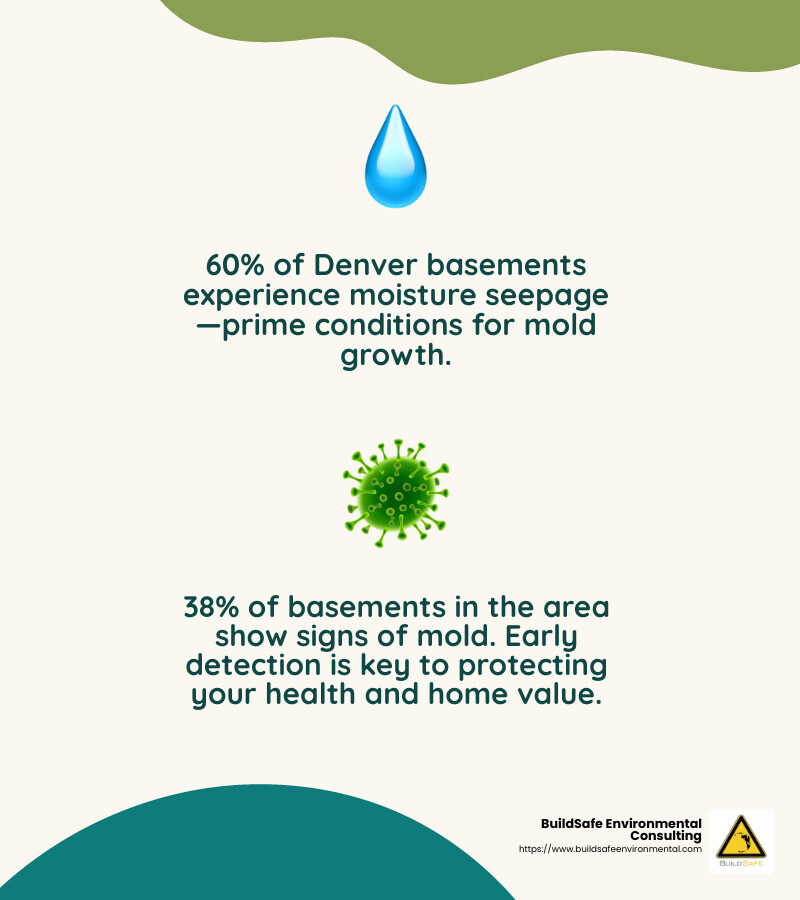
Our snowmelt and spring rains create seasonal moisture that can find its way into basements and crawl spaces. The high-altitude UV exposure we experience causes more extreme freeze-thaw cycles that stress building materials, potentially creating tiny cracks where water can enter. According to the American Society of Home Inspectors, more than 60% of basements experience some form of moisture intrusion.
What makes this particularly concerning is how quickly mold establishes itself. Once moisture is present, mold can begin growing within just 24-48 hours. That small roof leak or plumbing drip you barely noticed? It could already be supporting a thriving mold colony.
Denver’s combination of seasonal moisture, dramatic temperature swings, and our housing construction styles all contribute to making our homes surprisingly susceptible to mold issues—making that free mold inspection Denver service more valuable than you might initially think.
Step-by-Step Guide to Your Free Mold Inspection Denver Visit
Knowing what to expect when booking a free mold inspection denver helps you get the most value from this service. I’ve guided hundreds of homeowners through this process, and a little preparation goes a long way.
Before the Doorbell Rings
The day before your inspection, take some time to prepare your home. Clear away clutter from walls, especially in problem areas like basements and bathrooms—this gives the inspector better access to potential trouble spots. I’ve seen many homeowners scrambling to move boxes while I’m there, which wastes valuable inspection time!
Document any water issues you’ve noticed recently. Grab your phone and snap photos of water stains, damp spots, or areas where you’ve had leaks. These visual clues help guide your inspector to potential problem areas they might otherwise miss.
Have your insurance paperwork handy, just in case. While most free inspections don’t immediately trigger claims, having your policy details available speeds things up if you need to file later.
Don’t forget about access and pets. Make sure your furry friends are secured in a safe space—this protects both your pets and the inspector. Open up those rarely-visited spaces like crawlspaces, attics, and utility closets before the inspector arrives.

For more detailed preparation tips, check out our blog on mold inspections.
During the Walk-Through
When your inspector arrives, they’ll typically start with a full home tour, beginning in the basement (where moisture often accumulates) and working their way up to the attic. This bottom-to-top approach follows the natural path moisture takes in a home.
Watch as they pull out their specialized tools. A good inspector will use moisture meters to check suspicious-looking walls and ceilings. Some may also use humidity readers or infrared cameras to spot temperature differences that might indicate hidden moisture behind walls. These tools help find what the naked eye can’t see.
If visible mold is finded, you’ll face a sampling decision. The inspector will likely recommend paid air or surface sampling to identify the specific mold species and concentration levels. While this adds cost, it provides valuable information about health risks and remediation needs.
Pay special attention when they inspect high-risk areas like bathrooms, basements, window sills, and laundry rooms. Denver’s unique climate makes these spots particularly vulnerable to moisture problems.
After the Inspector Leaves
Most free mold inspection denver visits conclude with a verbal summary of findings. The inspector should walk you through what they found, areas of concern, and recommended next steps. Take notes or ask if you can record this conversation—details matter!
If you opted for lab testing, ask about the expected timeline for results. Most labs return findings within 2–5 business days, though some premium services offer faster turnaround. Make sure you know exactly when and how you’ll receive these results.
Finally, be prepared for remediation estimates if mold was found. While many companies offering free inspections hope to win your remediation business, remember you’re not obligated to use their services. If you prefer an unbiased assessment, consider getting a third-party inspection from a company like BuildSafe that doesn’t perform remediation work.
The goal of your free mold inspection denver visit isn’t just to find mold—it’s to understand your home’s moisture profile and protect your family’s health.
Free Mold Inspection Denver vs. Paid/Comprehensive Testing
When it comes to mold inspections in Denver, you might wonder if “free” is really the best deal for your home and family. Let’s pull back the curtain on what you actually get—and what you might be missing out on.
| Feature | Free Inspection | Paid/Comprehensive Testing |
|---|---|---|
| Visual Walk-Through | ✔ | ✔ |
| Moisture Meter/Infrared | Sometimes | ✔ |
| Air/Surface Samples | Extra Fee | Included (2–5 samples) |
| Detailed Written Report | Verbal/Brief | 10–35+ pages |
| Insurance-Ready Documentation | Rare | ✔ |
| Remediation Sales Pitch | Common | Varies |
| Unbiased/Third-Party | Not Guaranteed | ✔ |
Think of it like the difference between a quick glance and a thorough health checkup. That free mold inspection Denver service might spot obvious problems, but comprehensive testing digs deeper to find what’s lurking in your walls or circulating in your air.
The most important difference? Independence. Many free inspections come from companies that also offer remediation services. That’s like having your mechanic tell you what’s wrong with your car—and then immediately offering to fix it. There’s an inherent conflict of interest there.
At BuildSafe Environmental Consulting, we believe in third-party verification—meaning we inspect, but we don’t remediate. We’re like the independent doctor who diagnoses but sends you elsewhere for treatment. No hidden agenda, just honest answers about your home’s health.
When to Upgrade to Paid Testing
Free might sound nice, but there are times when investing in comprehensive testing makes absolute sense:
Health concerns should top your list—if someone in your home has been sneezing, coughing, or dealing with headaches that just won’t quit, proper testing can identify exactly what you’re breathing.
Real estate transactions almost always warrant professional documentation. Whether you’re buying or selling, a proper mold report can make or break a deal (and save you thousands in negotiations).
Insurance claims and legal matters require solid evidence. That verbal summary from a free inspection? It won’t hold up when money’s on the line. You’ll need detailed reports with lab results and professional certification.
Post-remediation verification is crucial for peace of mind. After spending on cleanup, you’ll want proof that the job was done right—something a comprehensive test provides.
Are Free Inspections Covered by Insurance?
I wish I had better news, but the reality is that most insurance companies won’t reimburse you for inspection fees unless they’re directly connected to covered water damage. And even then, they typically want documentation that free inspections rarely provide.
Your insurance adjuster is looking for detailed moisture readings, professional lab results, and comprehensive photographic evidence—all things that come standard with paid inspections but are usually missing from free ones.
If you’re planning to file a claim, investing in a proper inspection from an unbiased third party like BuildSafe could actually save you money in the long run. Insurance companies take our reports seriously because they know we don’t have a financial stake in finding problems.
When it comes to protecting your home and family from mold, sometimes the best value isn’t what’s free—it’s what gives you complete, trustworthy information. After all, you can’t make good decisions without good data.
Spotting Trouble Early: Signs You Need an Inspection
Denver’s famously dry climate can be deceiving when it comes to mold. Many homeowners are surprised to find hidden growth in their homes despite our arid environment. The truth is, mold can be sneaky—developing in places you rarely check until it becomes a serious problem.
You might need a free mold inspection Denver visit if you notice that distinctive musty, earthy odor that lingers even after cleaning. This smell is often your first warning sign that something’s not right. Water stains appearing on ceilings, walls, or around window frames are another clear red flag that moisture has found its way into your home.
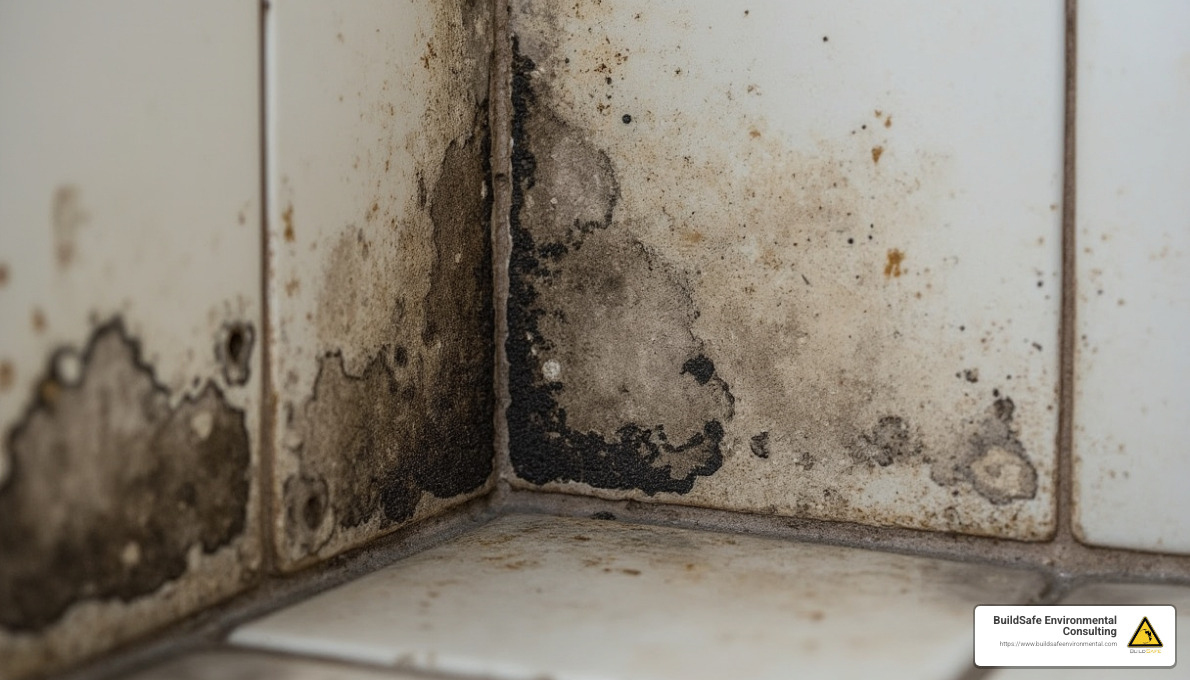
Pay attention if you notice peeling or bubbling paint, as this often indicates moisture trapped behind the surface. Many of our clients first suspected a problem when they experienced unexplained allergy or asthma flare-ups that seemed to improve whenever they left home. Persistent condensation on windows or cold walls, especially during winter, creates perfect conditions for mold growth. And if you spot warping baseboards or buckling floors, there’s likely moisture damage happening beneath the surface.
Denver’s Top Mold Hot-Spots
In my years of inspecting Denver homes, I’ve found that basements top the list for mold problems. They’re particularly vulnerable to seepage after our spring snowmelt or summer thunderstorms. The moisture comes in, and before you know it, you’ve got a problem.
Crawlspaces are another common trouble area. With poor ventilation and limited access, they can trap moisture and develop significant mold issues before anyone notices. If you catch a musty smell when you open that crawlspace hatch, it’s time for a professional look.
Our unique Denver climate creates special challenges in attics too. Ice dams from winter freeze-thaw cycles, inadequate vapor barriers, and roof leaks from our infamous hailstorms can all lead to hidden mold growth overhead.
Don’t forget about those evaporative coolers (“swamp coolers”) that many Denver homes use. While they’re great for our dry climate, they can leak or create excess humidity that leads to mold growth in unexpected places.
How Often Should Denver Homes Be Checked?
For most Denver homes, an annual mold inspection makes good sense—especially if you’ve had previous moisture issues. I typically recommend scheduling this check in early spring, right after the winter snow starts melting.
You should also consider a free mold inspection Denver visit after any significant storms, particularly those with flooding or hail that might have compromised your roof or siding. And remember that 24-48 hour rule: after any water event—whether it’s a burst pipe, overflowing toilet, or leaky dishwasher—you’ve got a narrow window before mold can establish itself.
Being proactive about spotting these warning signs can save you thousands in remediation costs and protect your family’s health. When in doubt, it’s always better to have a professional take a look. Your lungs (and wallet) will thank you later.
Choosing a Reputable, Unbiased Inspector
Let’s talk about finding someone you can truly trust for your mold inspection. After all, this is about your home and your family’s health—you deserve honest answers without hidden agendas.
At BuildSafe Environmental Consulting, we believe independence is everything. When an inspector doesn’t sell remediation services, you get the truth about your situation—not a sales pitch.
What makes an inspector trustworthy? First, look for proper credentials like ACAC or IICRC certifications. These aren’t just fancy letters—they show the inspector has invested in professional training and follows industry standards. Next, check for digital optics technology, which provides more accurate readings than old-school methods. And don’t forget to browse those BBB and Google reviews! Real customers tell the real story.
Perhaps most importantly, find someone who practices transparent pricing. A good inspector will explain all costs upfront so there are no surprise fees when the bill arrives.
Want to learn more about finding the right professional? Visit our mold testing services page for deeper insights.
7 Questions to Ask Before Booking a “Free” Inspection
Before you schedule that free mold inspection Denver appointment, arm yourself with these essential questions:
- “Could you share your Colorado mold inspection certifications?”
- “Will I need to pay extra for air or surface samples?”
- “What type of report will I receive, and when can I expect it?”
- “Do you also sell remediation services, or are you strictly an inspection company?”
- “How long should I set aside for the inspection process?”
- “Can you share references from other Denver homeowners you’ve helped?”
- “If you find mold, what happens next—do you recommend specific companies?”
Taking five minutes to ask these questions can save you headaches, money, and potential health concerns down the road.
Red Flags & Conflicts of Interest
Trust your instincts when working with inspectors. If something feels off, it probably is. Watch out for these warning signs:
The remediation hard-sell is a major red flag. If your inspector seems more interested in booking a cleanup job than accurately assessing your home, head for the door. Similarly, scare tactics that exaggerate health risks should make you skeptical.
Be wary of vague pricing structures where the inspector can’t clearly explain what’s included. And always insist on a written summary of findings—verbal-only reports make it impossible to review details later or share with contractors.
One particularly tricky tactic is the “free pre-testing” promise. Some companies offer free testing only if you commit to using them for remediation. This creates an obvious conflict of interest—they might “find” problems that don’t exist or exaggerate minor issues to secure bigger jobs.
A truly professional inspector wants to help you make informed decisions about your home, not pressure you into expensive services you might not need. When it comes to free mold inspection Denver services, the most valuable thing might be finding someone who puts your interests first.
Next Steps If Mold Is Found
Finding mold during your free mold inspection denver can feel overwhelming, but don’t panic! Here’s what you need to know about moving forward.
When mold is finded, timing becomes critical. Most homeowners don’t realize that mold can begin spreading aggressively within just 24-48 hours after moisture exposure. This is why quick action is essential for both your health and your wallet.
Remediation Timeline: The sooner you address mold issues, the better. Each day that passes allows mold to penetrate deeper into materials, making removal more complex and costly. Most professional remediation teams can schedule initial containment within 1-3 days of confirmation.
Containment Strategies: Professional remediation starts with isolation. This involves sealing off affected areas with plastic sheeting and creating negative air pressure to prevent spores from contaminating clean areas of your home. This critical step protects your family during the cleanup process.
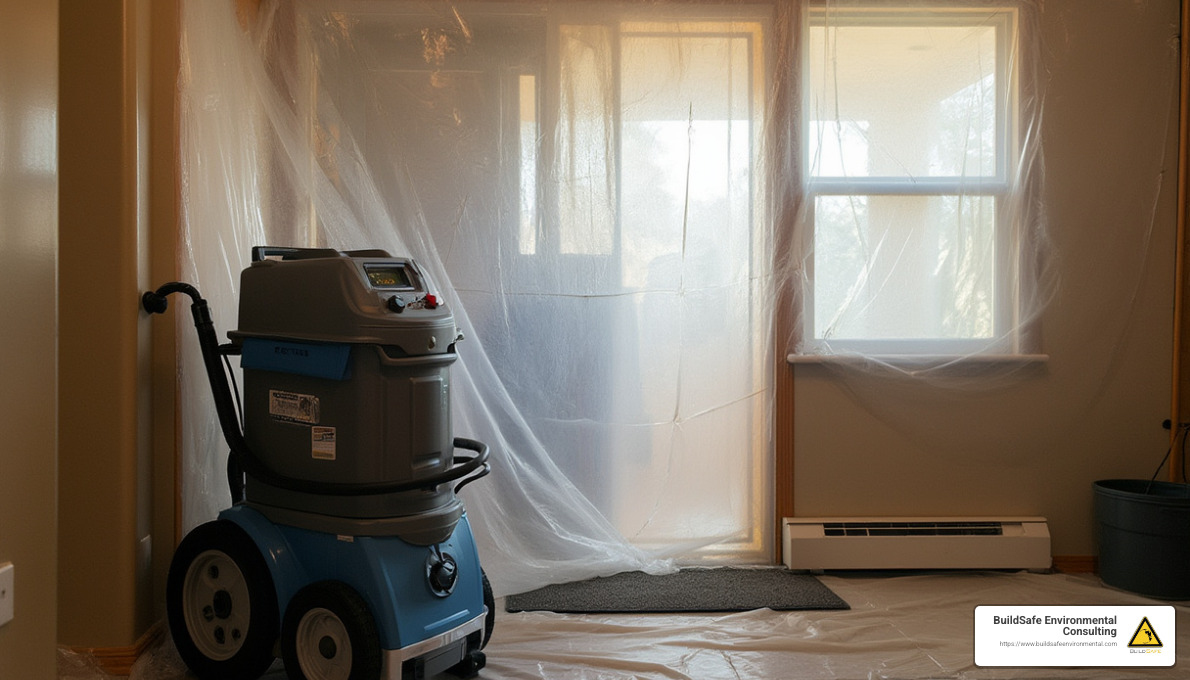
Professional vs. DIY: While the temptation to handle small mold problems yourself is understandable, proceed with caution. Generally, only isolated patches smaller than 10 square feet may be suitable for DIY treatment. Anything larger, or mold in hidden areas like inside walls or HVAC systems, requires professional expertise. Improper cleanup can actually worsen contamination by releasing millions of spores into your home.
Health Precautions: If you must be near moldy areas before remediation, protect yourself. Always wear an N95 respirator mask (not just a dust mask), gloves, and eye protection. Avoid disturbing mold colonies, as this can release spores into the air where they’re easily inhaled.
Acting Fast: 24–48 Hour Rule
The clock starts ticking the moment moisture enters your home. Mold doesn’t wait, and neither should you.
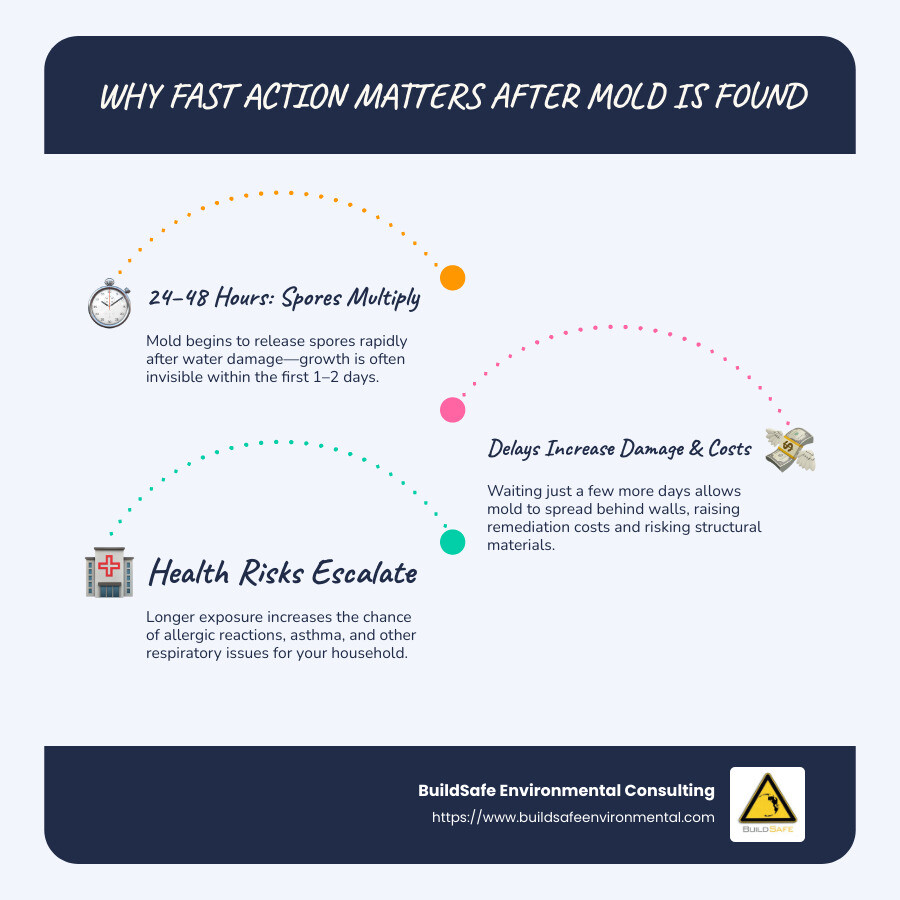
Spore Production: Within just 24-48 hours of moisture exposure, mold begins actively producing and releasing spores. These microscopic particles can trigger allergies, asthma, and other respiratory issues—even in people who’ve never had health problems before.
Cost Escalation: The longer mold grows, the more expensive remediation becomes. What might start as a $500-1,000 fix can quickly balloon to $5,000-10,000 or more if allowed to spread throughout your home. Quick action after your free mold inspection denver can save thousands.
Structural Damage: Beyond health concerns, unchecked mold gradually destroys the materials it grows on. Wood framing, drywall, subflooring, and insulation can all be compromised, potentially leading to serious structural issues that extend well beyond the original mold problem.
Post-Remediation Verification
The job isn’t complete when the mold is removed—verification is essential for peace of mind.
Clearance Testing: After remediation, hire a third-party inspector (like BuildSafe Environmental) to perform clearance testing. This unbiased verification confirms that remediation was successful and mold levels have returned to normal. Having documentation that your home is clean protects your investment and your health.
Humidity Control Plan: Prevention is the best medicine. Keep indoor relative humidity between 30-60% to discourage mold growth. Consider installing dehumidifiers in basement areas, ensuring bathroom exhaust fans vent properly to the outside, and using AC during humid summer months.
Maintenance Schedule: Create a regular maintenance routine to prevent future issues. Check sump pumps quarterly, inspect roof conditions after storms, and regularly examine plumbing connections for small leaks. Annual inspections of crawlspaces and attics can catch moisture problems before mold takes hold.
The goal after your free mold inspection denver isn’t just to remove existing mold, but to create conditions that prevent it from returning. With proper remediation and preventative measures, you can ensure your Denver home stays healthy and mold-free for years to come.
Frequently Asked Questions about Free Mold Inspection Denver
Does a free mold inspection include lab testing?
One of the most common questions we hear: “Will you test my mold for free?”
The short answer is no. Free mold inspection Denver services typically only cover the visual assessment part of the process. Think of it as the first step – an inspector looks around your home, checks moisture levels, and identifies visible problems.
If we spot something concerning, we’ll likely recommend air or surface sampling to identify exactly what type of mold you’re dealing with. These samples require lab analysis, which comes with additional fees – usually $75-150 per sample, depending on the type of testing needed.
Knowing what type of mold you have can be crucial, especially if you’re concerned about toxic varieties like black mold. The lab results give you certainty about what you’re dealing with.
How long does the average Denver inspection take?
Most free mold inspection Denver visits take between 30 and 60 minutes to complete. The exact timing depends on:
- The size of your home (larger homes take longer)
- How many problem areas you’ve identified
- Whether your home has complex features (crawlspaces, finished basements, etc.)
- Accessibility of potential problem areas
For a typical 2,000 square foot home with a couple of areas of concern, expect the inspector to be in and out within an hour. We know you’re busy, so we work efficiently while still being thorough.
Can I DIY mold testing instead of hiring pros?
While DIY mold test kits are available at most hardware stores (typically $10-40), they come with significant limitations. These kits might seem like a money-saver at first glance, but they often create more questions than answers.
DIY kits typically struggle with:
- Finding hidden mold – Professional inspectors know where to look and have tools like moisture meters and infrared cameras
- Identifying the specific type – Many DIY tests just confirm “mold is present” without telling you which kind
- Providing context – Is the level normal? Is it dangerous? DIY tests rarely answer these crucial questions
- Giving actionable recommendations – What should you do next? How serious is it?
For peace of mind, health concerns, or if you’re dealing with real estate transactions or insurance claims, a professional third-party inspector provides accurate results and truly unbiased recommendations. We don’t sell remediation services, so our only goal is giving you honest information.
At BuildSafe, we’ve seen too many homeowners waste money on DIY tests only to end up calling us anyway when they can’t interpret the results or need documentation for insurance. When it comes to your family’s health, professional testing is the wisest investment.
Conclusion
When it comes to protecting your home and family from mold, knowledge truly is power. At BuildSafe Environmental Consulting, we’ve built our reputation on providing honest, straightforward free mold inspection denver services that put your needs first—not our sales goals.
Unlike many inspection companies, we don’t use free inspections as a gateway to expensive remediation services. We’re proud to be a truly independent third-party consultant, giving you clear answers without the pressure tactics or hidden fees that have become all too common in our industry.
What does this mean for you? Peace of mind. When our certified inspectors visit your Denver home, you’ll get:
- Honest assessment without the scare tactics
- Clear explanation of what we find (in plain English, not technical jargon)
- Transparent pricing if additional testing is needed
- Actionable recommendations based on science, not sales quotas
Whether you’re in Denver, Longmont, Fort Collins, or anywhere along the Front Range, we’re here to help you breathe easier—literally. Our team understands Colorado’s unique climate challenges and how they affect mold growth in local homes.
Catching mold early isn’t just about protecting your property value—it’s about safeguarding your family’s health. That musty smell or water stain might seem minor today, but mold can spread rapidly, turning a small issue into a major headache within days.
Ready to schedule your free mold inspection denver visit? Or perhaps you have questions about what testing might be right for your situation? Learn more about our mold testing services or give us a call today.
At BuildSafe Environmental Consulting, we believe everyone deserves clean, healthy indoor air—and the honest information needed to maintain it. Because when it comes to your home and health, you shouldn’t have to guess.
Related Resources:
– Scientific research on mold health
– More info about mold inspections
– More info about mold testing services