Navigating the Denver Inspection Process: A Concise Overview
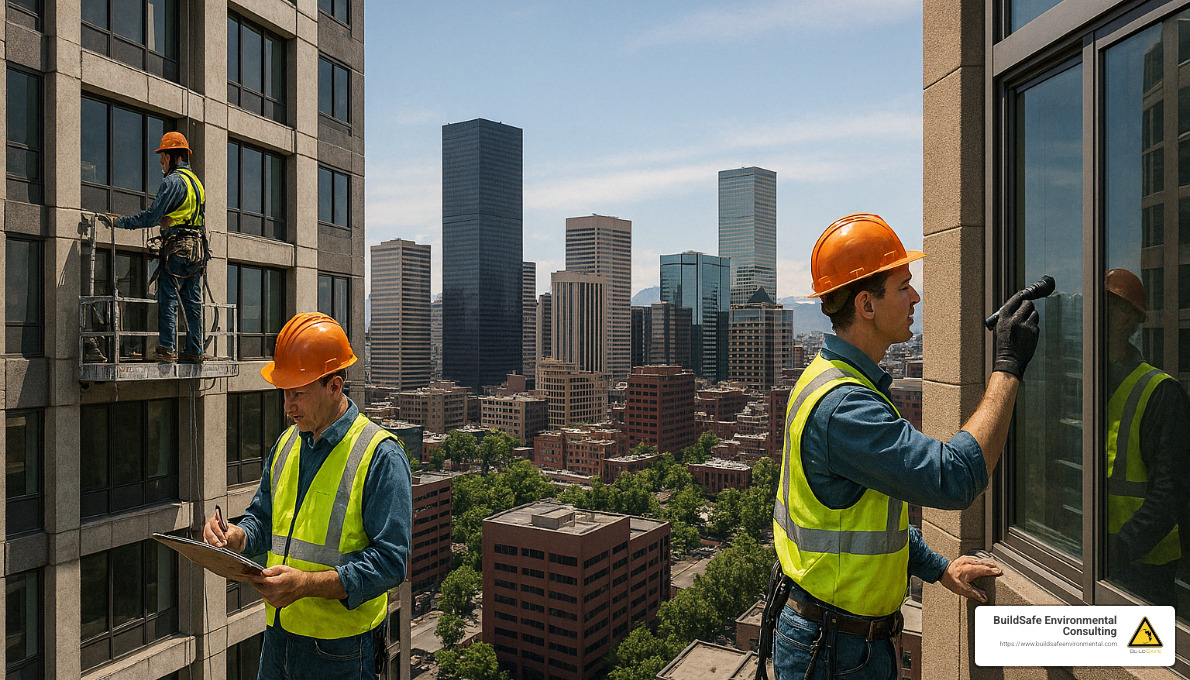
If you’re planning construction, renovation, or concerned about environmental hazards on your property, understanding the denver inspection process is crucial. Here’s a quick breakdown:
- Inspections Available: Construction, electrical, plumbing, home inspections, environmental (mold, asbestos, lead), rental property, and sewer scope.
- Scheduling Construction Inspections: Create an e-permits account, ensure your permit status is “issued,” then schedule online via the e-permits system.
- Certificate of Occupancy (CO) Requirements: Complete all work, pass final inspections, and submit approved inspection cards.
- Temporary Certificate of Occupancy (TCO): Requires TCO request form, signed inspection card marked “TCO,” functioning life safety systems, engineer letters, and a $200 fee.
- Electrical Inspection Requirements: Obtain a Colorado State Electrical permit, comply with the National Electrical Code, and schedule via the state’s online permit system.
- Waste No More Ordinance: Construction/demolition projects must separate and recycle materials.
- Scheduling Home Inspections: Contact a certified local inspector (often ASHI-certified). Typical costs range between $200-$300 in Denver.
- Rental Property Inspections: Licensing through City of Denver, inspecting 10% of units in multi-unit properties.
I’m Craig Luckey, and during my nearly ten years leading BuildSafe Environmental Consulting, I’ve personally overseen numerous denver inspection projects to keep Colorado properties safe and compliant. Let’s walk through this process together.
Understanding Denver’s Development Services
If you’re diving into a construction project in Denver, the city’s Community Planning and Development (CPD) department will quickly become your go-to resource. CPD oversees everything from permit applications to inspections, making sure your project stays safe, compliant, and aligned with Denver’s goals for sustainable growth.
Denver’s CPD department is responsible for reviewing, permitting, and inspecting building projects to ensure compliance with local building codes, fire safety regulations, and zoning requirements. These aren’t just hoops to jump through, either—these standards exist to protect your community, your investment, and public safety. For example, the Colorado State Electrical Board clearly states, “A valid Colorado State Electrical permit must be obtained prior to installing electrical wiring.” Rules like this help protect everyone involved.
Whether you’re constructing a new commercial building downtown or simply remodeling your home’s kitchen, navigating these requirements doesn’t need to be daunting. Denver’s CPD team provides clear guidance and support to help your project succeed right from the start. For more detailed information, check out the official city resource Plan Review, Permits, and Inspections – City and County of Denver.
The Role of Permits in Denver’s Development
Building permits in Denver are more than just paperwork—they’re your official green light, confirming that your project meets local codes and safety standards. Having a permit not only safeguards your investment, it also boosts your property value by making sure future buyers see that your improvements were done right.
You’ll typically need permits for larger or structural projects like new buildings, additions, significant remodels, and installations or modifications of electrical, plumbing, or mechanical systems. Denver also requires permits for demolition, fences over a specified height, billboards, roofing projects, and even certain signs.
While minor repairs and routine maintenance might not require permits, it’s always a good idea to double-check with CPD if you’re unsure. This small step can save you potential headaches down the road, protecting you from liability and fines.
Navigating the Denver e-permits System
Gone are the days of waiting in long city office lines—Denver’s convenient e-permits system has simplified the permitting process considerably. This online platform allows property owners, contractors, and developers to submit applications, schedule inspections, and monitor their project status from the comfort of home (or your favorite coffee shop!). It’s open weekdays from 7 am to 7 pm, giving you plenty of flexibility.
Getting started is easy: You create a free account, log in, and, if you’re a contractor, add your contractor’s license under the ‘My Account’ section. The system includes easy-to-follow FAQs and helpful online tutorials. If you need extra assistance, Denver’s friendly 311 team is just a phone call away—dial 3-1-1 if you’re in Denver, or 720-913-1311 from outside of town. You can access the e-permits portal directly at the Denver’s Permitting and Licensing Center.
One local contractor recently mentioned, “The online portal saved me countless hours I would’ve spent running between city offices. From applying for permits to scheduling a denver inspection, everything was easy to handle right from my laptop.”
Navigating the Permit Application Process
Let’s face it—dealing with permits can feel about as fun as getting your wisdom teeth pulled. But Denver has actually done a pretty good job making the process clear and straightforward. By knowing exactly what’s involved, you can set realistic expectations, plan your budget, and keep your stress down to a minimum. (Yes, really!)
First things first: you’ll need to figure out exactly which permit your project requires. Denver offers several permit types based on the complexity and scope of your plans:
If you’re planning something big—like building a commercial property or multifamily units—you’ll apply for a commercial and multifamily permit. These permits involve detailed reviews from multiple city departments because, let’s face it, bigger projects can mean bigger impacts.
For homeowners building or renovating houses and duplexes, single-family and duplex permits streamline the review process, making life a bit easier.
Got a smaller, simpler project? You might snag a quick permit. Think roofing replacements, water heater swaps, new air conditioning units, or minor electrical work—projects straightforward enough for fast approval (sometimes even same-day).
Lastly, if your project affects land use or neighborhood aesthetics—like building fences, adding signs, or creating accessory structures—zoning permits keep things aligned with Denver’s zoning code.
Once you know your permit type, you’ll gather some paperwork. Don’t worry, it’s not as scary as it sounds. Typically, Denver wants project plans and specifications, details about your contractor, property info, and sometimes special approvals or a waste management plan (especially with the city’s Waste No More Ordinance). Having these documents ready to go will save you headaches later on.
And of course, there’s money involved. Permit fees vary depending on the type and scale of your project. Denver keeps an updated fee schedule on their website—so no surprises. Always check fees early on, so you can factor them into your budget.
Types of Permits Available
To quickly recap, here’s the scoop on Denver’s main permit types:
Commercial and multifamily permits cover projects like office buildings, retail spaces, apartments, condos, industrial facilities, or mixed-use properties. These permits involve a comprehensive review from departments like zoning, transportation, wastewater, and fire safety.
Single-family and duplex permits are specifically for homeowners tackling new homes, additions, major remodels, accessory dwellings, or garage conversions. These usually enjoy a faster review process compared to commercial projects.
Quick permits are the city’s gift to small project enthusiasts. Need a new water heater or roof replacement? Want to swap out windows without structural changes? These minor projects often get approved within the same day or a few days at most.
Zoning permits address Denver’s zoning regulations. If you’re installing fences, operating a home business, building accessory structures, or adding temporary uses or signs, zoning permits help you stay within the city’s land-use rules.
Checking Permit Status and Review Times
You’ve submitted your permit application—high fives all around! Now comes the waiting game. Thankfully, Denver doesn’t leave you in the dark. You can easily check your permit status using their e-permits system.
Just log into your account, head over to the “Record Info” tab, and select your permit application. You’ll see exactly where your permit stands, including any comments or feedback from reviewers.
But how long should you expect to wait? Here’s the scoop:
- Quick permits typically get approved within the same day or up to 1-3 business days.
- Single-family residential projects usually take around 2-4 weeks for the initial review.
- Commercial projects, because of their complexity, can take anywhere from 4-8 weeks for their initial review.
These timelines are just for the initial review. If Denver has questions, comments, or requires corrections, additional review cycles can add time. The best tip? Submit thorough, accurate, and code-compliant plans from the start. You’ll move through the system way more smoothly, reducing your project’s wait time significantly.
One local developer shared this helpful insight: “Doing our homework before submitting pays off big-time. The more complete and accurate our plans are, the faster the city gets our permits approved—and the quicker we break ground.”
So yes, permit applications may never be the most fun part of your project, but understanding the process can make things a whole lot easier. And the good news? Once you’ve got your permit in hand, you’re clear to dive into your exciting denver inspection journey—all the way to project completion!
Denver Inspection: Types and Processes

Congratulations—your project is underway and permits are in hand! But before you break out the party hats, let’s talk about the next critical step: the denver inspection process. These inspections aren’t just bureaucratic hoops—they’re your ticket to ensuring your building project meets Denver’s safety standards and building codes.
Denver typically aims to complete inspections within two business days of scheduling. However, this can vary depending on demand, weather, or complexity. Your permit must be officially “issued” by the city before you can schedule any inspections.
Let’s take a closer look at the main types of inspections you’ll encounter on your journey to project completion:
Construction Inspections are the bread and butter of most projects. Inspectors check foundations, framing, insulation, and overall structural integrity to make sure your building is rock-solid from the ground up.
Mechanical, Electrical, and Plumbing (MEP) Inspections dive into the vital systems keeping your building functioning properly. Think electrical wiring, plumbing setups, HVAC systems, and gas piping. These inspections help prevent future headaches (and costly repairs) by ensuring your mechanical systems meet code requirements.
Zoning Inspections help ensure your project fits perfectly within Denver’s neighborhood guidelines. Inspectors will confirm your setbacks are correct, height limits are respected, and landscaping meets city standards.
Fire Safety Inspections are all about keeping your building prepared for any scenario. Inspectors will verify fire alarms, sprinkler systems, emergency exits, fire-resistant materials, and proper signage. It’s the peace of mind you need (and your insurance company loves).
Finally, Environmental Inspections focus on potential health hazards, like asbestos, mold, and lead, particularly common in older buildings. At BuildSafe Environmental Consulting, this is our specialty. We provide third-party inspections to identify issues before they become problems, protecting both property owners and occupants.
Scheduling a Denver Inspection
Scheduling your denver inspection doesn’t have to be daunting. It just requires thoughtful planning and an eye on details.
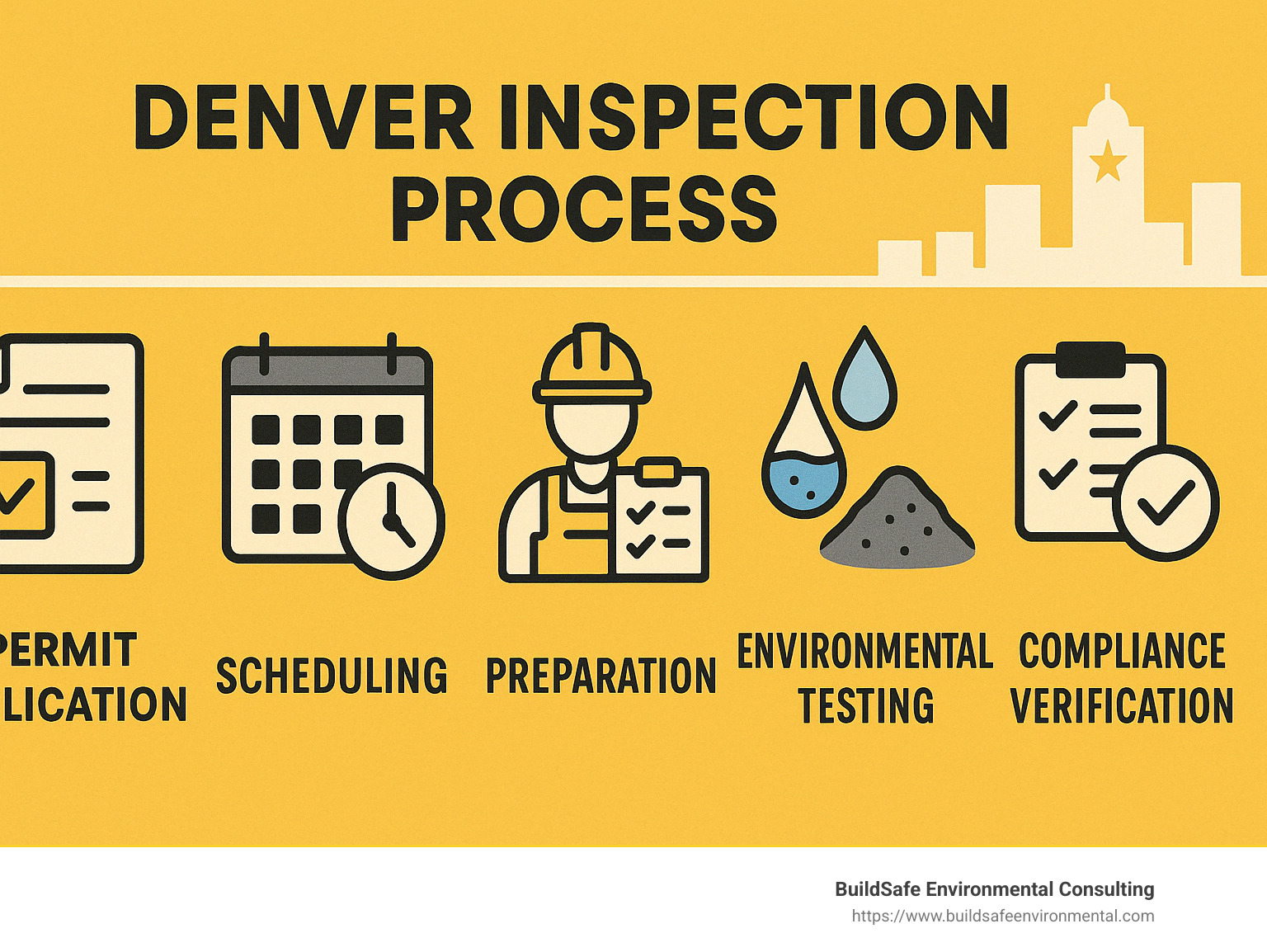
Once your permit status reads “issued,” you can schedule your inspection through Denver’s e-permits system. Simply log in, locate your permit by address or permit number, click into “Record Info” and select “Inspections.” Choose the inspection you need, pick an available date at least one business day out, and provide a reliable on-site contact number.
A quick heads-up: Roofing inspections can often have longer lead times due to high demand, so plan ahead. Also, Denver inspectors bring only single-story ladders, so have your multi-story ladder ready if your roof goes beyond one level.
For electrical inspections, you’ll use a different platform: the Colorado State Electrical Board’s online permit system. Obtaining your Colorado State Electrical permit is mandatory before scheduling.
Here’s a tip from an experienced Denver contractor: “Always schedule inspections as soon as you’re ready. Waiting too long can lead to bigger delays down the road if corrections are needed. Better safe than sorry!”
Preparing for Your Inspection
Ready to ace your denver inspection on the first try? Here’s a simple game plan to make inspection day a breeze:
First, gather and organize your documentation. This includes your approved permit, stamped plans, inspection cards, third-party certifications (if applicable), and manufacturer specs for any installed equipment.
Next, make sure your job site is inspection-ready. Inspectors appreciate (and expect) a clean, safe site with clear access to all relevant work areas. Double-check that the work being inspected is complete, matches your approved plans, and is openly visible—no hidden surprises!
Additionally, ensure your property address is clearly visible from the street. Have a ladder on hand if inspectors need roof or ceiling access. And make sure someone knowledgeable is available to greet the inspector and answer questions if necessary.
Common reasons for failed inspections include incomplete work, inaccessible or cluttered areas, code violations, or work that deviates from approved plans. A quick pre-inspection walkthrough using the inspector’s criteria can save you time, money, and potential frustration.
At BuildSafe Environmental Consulting, we’ve helped countless Denver property owners smoothly steer the inspection process. We know inspections can feel stressful, but proper preparation turns inspection day into just another step toward your project’s successful completion. You’ve got this!
Key Requirements for Certificates of Occupancy (CO) and Temporary Certificates of Occupancy (TCO) in Denver
After weeks—or even months—of hard work, inspections, and planning, the moment you’ve been waiting for finally arrives: you’re ready to move into your building. But before the celebration begins, you’ll need official permission from the City of Denver. That’s where the Certificate of Occupancy (CO) or Temporary Certificate of Occupancy (TCO) comes into play.
A Certificate of Occupancy (CO) is Denver’s official stamp of approval, confirming your building is complete, safe, and ready for people to use and enjoy. It’s required for any new building, major renovation, or when an existing structure changes its intended use. Denver’s Community Planning and Development department clearly emphasizes the importance of completeness, stating:
“All facets of the job are complete, including work from modified plans.”
In other words, partial completion won’t cut it. Everything outlined in your approved plans (including changes made mid-project) must be finished to earn your CO.
Sometimes, you’re almost there—but a few minor items just aren’t quite done. Maybe those custom lobby lights are on backorder, or the landscaping crew got delayed by Colorado weather. For scenarios like these, Denver offers a Temporary Certificate of Occupancy (TCO). This lets you start using the space while finishing up smaller to-do items.
Let’s walk through exactly what’s involved in obtaining each of these important certificates.
Obtaining a Certificate of Occupancy (CO)
Getting your official Certificate of Occupancy involves ensuring that every aspect of your construction matches your approved plans and meets all city codes. To begin, you’ll need to schedule and pass your final building inspection (code 108 – Final). This inspection confirms that all work—from structural elements to fire safety features—is complete and done correctly.
In addition to passing inspections, Denver requires specific documentation before issuing a CO. This typically includes approved inspection cards signed by inspectors, final letters from your architect or engineer confirming construction meets approved plans, special inspection reports (like structural testing or third-party verifications), and documentation that your project complies with current energy codes.
But your CO isn’t just about buildings and plans. You’ll also need approvals from several city departments, like Fire Safety, Zoning, Public Works (Transportation), Wastewater Management, and sometimes even the Health Department (particularly for restaurants or healthcare facilities).
Environmental compliance also comes into play. Denver’s Waste No More ordinance means your project must have properly handled recycling and debris management. Plus, you’ll need proof that any necessary environmental issues—such as asbestos, mold, or lead—were addressed professionally. That’s where we at BuildSafe Environmental Consulting step in, offering fast and reliable denver inspection services for asbestos, mold, and lead. We’ll help verify that your property meets all environmental safety requirements, giving you peace of mind as you cross the finish line.
Once your inspections are passed, your documentation is submitted, and all city agencies give their thumbs-up, you’ll receive your Certificate of Occupancy. Congratulations—you officially have the city’s green light!
Applying for a Temporary Certificate of Occupancy (TCO)
When you’re eager to move into a nearly completed building, a Temporary Certificate of Occupancy (TCO) can save the day. Imagine moving into your new office space while minor finish work continues—definitely a convenient option. However, Denver has clear guidelines to safely allow temporary occupancy.
First, you’ll submit a TCO request form, clearly describing what’s left unfinished and your estimated timeline for completing those items. You’ll also need your building’s inspection card stamped and marked “TCO,” with all required inspector signatures verifying the project is substantially complete.
Denver inspectors pay extra attention to safety at this stage. Your life-safety systems (fire alarms, sprinkler systems, emergency lighting and signage, accessibility features, and structural safety elements) must be fully operational and verified by your engineer. You’ll submit observation letters from your engineer to confirm these critical systems are ready for occupants. Additionally, the Engineer of Record must provide a final letter assuring the city of the building’s overall safety.
Denver charges a $200 fee for processing a TCO—think of it as your ticket to early occupancy. Typically, Temporary Certificates of Occupancy are valid for about 90 days, giving you ample time to finish remaining tasks. If delays occur, you might get an extension by paying additional fees, so keep close track of your timelines.
One experienced Denver developer offered insightful advice: “Clearly detailing what’s complete versus what’s still pending makes all the difference. Inspectors want assurance that critical safety items are done correctly—even if you’re still hanging artwork in the lobby.”
Whether you’re finalizing your Certificate of Occupancy or exploring the TCO process, the key is clear communication, thorough documentation, and careful attention to safety. With patience, preparation, and maybe a little help from experts like BuildSafe Environmental Consulting, you’re on your way to a successful Denver building project.
Specialized Inspections and Requirements

Beyond the standard construction checkups, Denver has a whole world of specialized inspections that address specific systems, environmental concerns, and regulatory requirements. These aren’t your everyday walk-throughs—they often require particular expertise and sometimes involve state-level oversight rather than just city departments.
Denver Electrical Inspections
When it comes to electrical work in Denver, you’re actually dealing with state regulations rather than city-specific processes. The Colorado State Electrical Board oversees these inspections, ensuring consistent safety standards throughout Colorado.
Before you start any electrical project, “A valid Colorado State Electrical permit must be obtained prior to installing electrical wiring,” as the State Electrical Board clearly states. This applies whether you’re a professional contractor or a DIY homeowner.
Speaking of homeowners—yes, you can perform your own electrical work, but only under specific conditions. You must do the work personally (no recruiting friends as free labor!), the property can’t be for sale or rent, and all work must be properly inspected before you cover anything up. Many homeowners don’t realize that last part until it’s too late, leading to costly re-work.
All electrical installations must comply with the National Electrical Code (NEC), which Colorado has adopted statewide. This comprehensive code ensures that electrical systems are installed safely and consistently across all properties.
Unlike other denver inspections, electrical inspections are scheduled through the state’s online permit system at the Electrical Board: Permit and Inspection Information page rather than Denver’s e-permits platform. Make sure to submit your request by 3 p.m. the day before you want the inspection. And yes, someone needs to be available between 8 a.m. and 5 p.m., with clear access to all areas needing inspection.
Your electrical permit stays valid for one year from issuance and can be extended once for six additional months if you request before it expires. And a friendly heads-up: if your inspection gets marked “rejected,” you might face a re-inspection fee, so it pays to get things right the first time.
Understanding Denver’s Waste No More Ordinance
Denver’s Waste No More ordinance represents a significant shift in how construction and demolition projects handle waste materials. The city is saying, “Let’s stop sending perfectly good materials to landfills when they could be recycled or reused.”
This ordinance applies to new construction, demolition, and major renovation projects of certain sizes and types. The core requirement is simple but impactful: you must separate and recycle all readily recyclable materials rather than tossing everything into a single dumpster.
Before your project begins, you’ll need to submit a recycling and reuse plan detailing how materials will be separated, stored, and recycled. This isn’t just paperwork—you’ll need to actually implement this plan by separating materials like concrete, metal, wood, and cardboard throughout your project.
As your project progresses, you’ll need to track and document where materials go, whether to recycling facilities or reuse centers. These documentation forms must be submitted before your final inspection or Certificate of Occupancy issuance—no documentation, no CO!
I’ve seen many clients initially view this ordinance as just another hurdle, but most end up appreciating how it reduces waste and sometimes even saves money through material recovery. At BuildSafe, we often help clients integrate environmental testing with their Waste No More strategies, especially when dealing with older buildings that might contain hazardous materials.
Environmental Inspections: Asbestos, Mold, and Lead
Environmental inspections might not be the first thing on your mind when planning a construction or renovation project, but they’re absolutely crucial for protecting health and safety. These specialized inspections focus on three primary concerns: asbestos, mold, and lead—all invisible threats that can cause serious health problems.
Asbestos inspections are non-negotiable for buildings constructed before 1980. Denver regulations require these inspections before any renovation or demolition that might disturb asbestos-containing materials. At BuildSafe Environmental Consulting, we take a thorough approach to Asbestos Testing, visually assessing potential problem areas, collecting samples, analyzing them in accredited laboratories, and providing clear guidance on next steps.
As one of our clients recently finded, what looked like ordinary ceiling texture in their 1970s office building contained 5% chrysotile asbestos—a significant health hazard that would have been released into the air during their planned renovation. Our timely testing prevented a potentially dangerous situation.
Mold inspections might not always be required by code, but they’re essential for maintaining healthy indoor environments. Mold can trigger allergies, asthma attacks, and other respiratory issues, particularly in children, elderly individuals, and those with compromised immune systems.
Our approach to Mold Testing goes beyond just looking for visible growth. We conduct moisture mapping to identify water intrusion sources, collect air and surface samples, and provide detailed remediation recommendations. One Denver homeowner called us after noticing a musty smell in their basement—no visible mold, but our testing revealed liftd spore counts that were causing their child’s persistent cough.
Lead inspections are particularly important for properties built before 1978, when lead-based paint was commonly used. The CDC has stated that “there is no safe blood lead level in children,” which underscores why proper testing is so critical.
Our lead inspection process involves XRF testing for lead-based paint, dust wipe sampling, and sometimes water and soil testing when appropriate. We recently helped a young couple who had purchased a charming 1920s Denver bungalow. Before their renovation, our testing revealed lead paint beneath multiple layers of newer paint—information that allowed them to hire proper remediation before bringing their newborn home.
These environmental inspections aren’t just regulatory boxes to check—they’re essential safeguards for your health and the health of anyone who enters your property. At BuildSafe Environmental Consulting, we provide fast, reliable Environmental Testing Services to help property owners identify and address these hidden hazards before they cause harm.
And remember, in Denver’s competitive real estate market, having documentation of proper environmental testing can be a significant selling point, showing potential buyers that you’ve taken the extra step to ensure the property is safe.
Frequently Asked Questions about Denver Inspections
Over the years at BuildSafe Environmental Consulting, we’ve guided many Denver property owners through the inspection process. We’ve heard it all—questions, concerns, and even a few panicked phone calls (don’t worry, we’ve got you!). To help make your denver inspection experience smoother, we’ve answered some of the most common questions below.
How Can I Schedule a Denver Inspection?
Scheduling a denver inspection is easier than you might think. First things first, you’ll need an active e-permits account with the City of Denver. If you haven’t signed up yet, don’t worry—it’s quick and free on Denver’s e-permits platform.
Once your account is ready, double-check that your permit status is marked “issued”. You can’t schedule inspections for permits still under review.
Log into your account, find your permit, then click on the “Record Info > Inspections” tab. From there, choose the type of inspection you need (for example, foundation, framing, or final inspection). Select your preferred date—you’ll need to schedule at least one business day in advance, and inspections typically happen within two business days of your request.
Be sure to leave a good daytime phone number where your inspector can easily reach you. For specialized inspections, like electrical inspections, remember they must be scheduled through the Colorado State Electrical online permit system, not Denver’s e-permits.
A quick tip from one seasoned contractor: “Always schedule your inspection as soon as you complete the relevant work. Waiting around could create delays later in the project.”
What Are the Steps if My Inspection Fails?
First, take a deep breath. A failed inspection isn’t the end of the world—it happens more often than you might think. Fortunately, fixing the situation is straightforward.
When an inspection doesn’t pass, the inspector will clearly outline the reasons why. Carefully review these inspector comments, as they’ll tell you exactly what needs correction. Next up, address each issue thoroughly—partial fixes won’t cut it here, and you don’t want to risk another re-inspection.
Once everything is fixed up, you’ll schedule a re-inspection the same way you scheduled the first one. Certain inspections, especially state-managed ones like electrical inspections, may have a re-inspection fee if your initial attempt is marked “rejected.” Be prepared to pay any required fees before your re-inspection appointment.
Whenever possible, have someone knowledgeable about the corrections onsite during the re-inspection. They can clearly explain the repairs or changes made, helping ensure a smoother outcome.
One Denver developer puts it best: “Every failed inspection is a learning opportunity. Understanding where you went wrong helps you avoid future hiccups and keeps your project moving.”
Do I Need Inspections for Environmental Hazards?
Yes—and these inspections are not just regulatory hoops to jump through. They’re essential for safeguarding your health and the health of anyone who uses your property. Environmental inspections typically focus on asbestos, lead, and mold.
If your building was constructed before 1980, you’ll likely need an asbestos inspection before any renovation or demolition. At BuildSafe Environmental Consulting, we perform detailed visual assessments, collect samples, analyze them in a lab, and provide clear, easy-to-follow reports to help you handle any asbestos found. You can learn more about our asbestos testing services on our website.
Mold may not always be governed by strict regulations, but a mold inspection can save headaches (literally) down the road. We identify if mold is present, pinpoint moisture sources causing the mold growth, and recommend effective remediation strategies. (Trust us—your lungs will thank you.) To learn more, visit our mold testing services page.
Lastly, buildings built before 1978 often contain lead-based paint, which can be extremely hazardous, especially for children. The CDC clearly states there’s no safe amount of lead exposure, making inspections crucial. At BuildSafe Environmental Consulting, we test paint, dust, water, and even surrounding soil. If lead is found, we’ll guide you through the proper steps for safe remediation.
At BuildSafe Environmental Consulting, we’re not just here to help you check off boxes. We provide fast, reliable environmental inspections and third-party verification to keep you, your family, or your clients safe and healthy.
Conclusion

Navigating Denver’s development services—from permits to inspections—can feel like tackling a complicated puzzle. But here’s the good news: with a little preparation and the right resources, you’ll be amazed at just how smoothly your project can unfold. Whether you’re building your dream home, renovating an office space, or dealing with environmental concerns, understanding how the denver inspection process works is your ticket to success.
At the heart of it all is planning ahead. Early preparation is one of the smartest moves you can make. Understanding which permits you’ll need and getting familiar with Denver’s e-permits system can save you a lot of time, money, and stress down the road. Plus, having everything ready before submitting your application makes the city’s approval process quicker and easier.
Speaking of the e-permits system—use it! Denver has built this easy-to-use online system so you don’t have to spend hours waiting in line at city offices. You can apply for permits, pay fees, schedule your inspections, and even check your permit status right from your couch. Trust us, your future self will thank you.
When your inspection day arrives, preparation is your best friend. Make sure all work is complete, accessible, and matches your approved plans. Double-check that your documentation is neatly organized and ready to go. A bit of extra prep time now can mean the difference between passing your inspection on the first go or dealing with costly delays.
And don’t forget those specialized inspections—like environmental testing for asbestos, mold, and lead. Older buildings or renovation projects often have hidden concerns lurking behind walls or under floors. These hazards aren’t just regulatory requirements; they’re important for the health and safety of everyone involved. At BuildSafe Environmental Consulting, we’ve seen how important these checks are for protecting both people and property.
Compliance isn’t just about ticking boxes or keeping inspectors happy—it’s about safeguarding your investment and the community around you. Regulations like Denver’s Waste No More ordinance aren’t just extra hoops to jump through. They’re designed to promote sustainability, protect the environment, and ensure healthy, safe buildings for years to come.
At BuildSafe Environmental Consulting, we’re passionate about making your development journey as smooth and stress-free as possible. Our team provides fast, reliable asbestos, mold, and lead inspection services throughout Denver, Longmont, Fort Collins, and the surrounding areas. Our specialty? Third-party verification for proper mitigation, so you can feel confident that your property meets all health and safety standards.
Successful projects don’t happen by accident. They happen because someone took the time to learn the ropes, plan carefully, and bring in experienced partners when needed. By following the insights in this guide and teaming up with trusted professionals, you can master Denver’s permitting and denver inspection processes and breathe easy knowing you’re on track for success.
We hope this guide serves as your friendly roadmap through the maze of permits and inspections in Denver. Whether you’re gearing up for new construction, tackling renovations, or addressing environmental concerns, knowing the ins and outs of the denver inspection process sets you up for success.
Still have questions or need some expert guidance? We’re always here to help—just reach out to your friends at BuildSafe Environmental Consulting, and we’ll get your project on the right track!