
Key Takeaways
Asbestos air testing ensures safe air quality by identifying airborne fibers during renovations, demolition, and post-abatement clearance.
Regulatory compliance testing is required to meet safety standards and avoid legal issues when disturbing asbestos-containing materials.
Air sampling procedures asbestos involve controlled testing, lab analysis, and verification to confirm environments are safe for occupancy.
From Permits to Inspections: Understanding the Asbestos Air Testing Process
Asbestos air testing is a critical step in ensuring the safety of your home, especially during renovations where the risk of disturbing this hazardous material increases. Here’s why you should prioritize it:
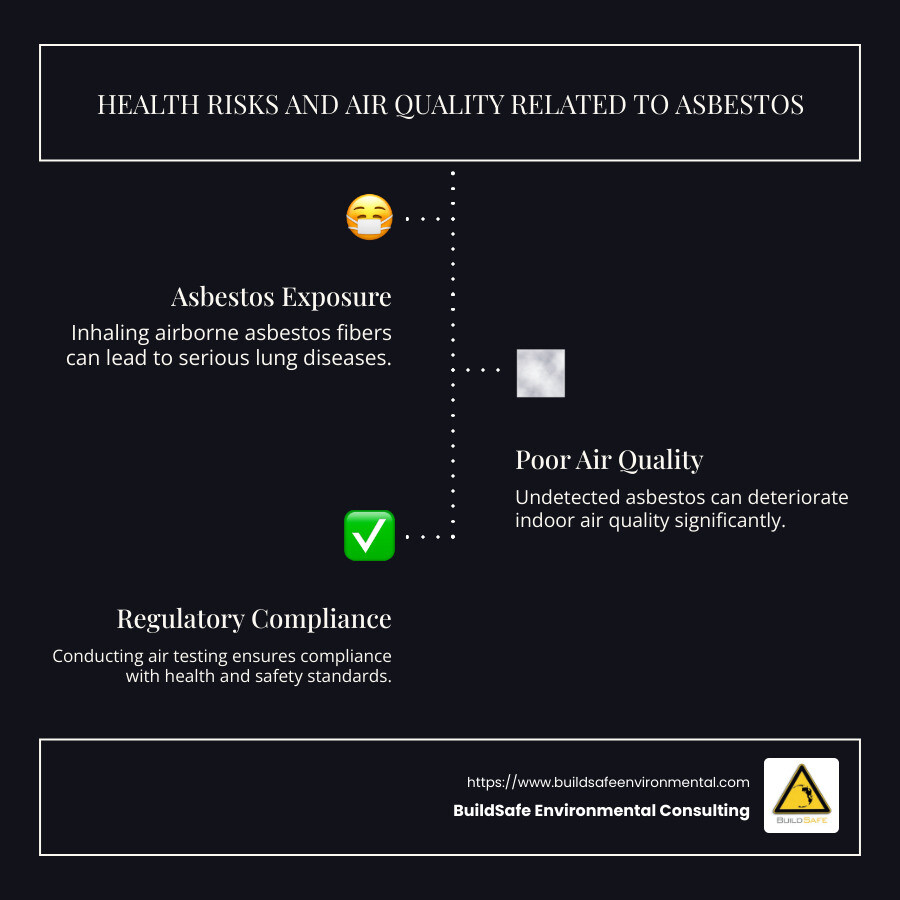
- Health Risks: Asbestos fibers, when airborne, can be inhaled and lead to severe health problems, including lung diseases and various cancers. Therefore, testing is crucial for maintaining a healthy living environment.
- Air Quality: Without proper testing, you might unknowingly expose your family to poor air quality due to undetected asbestos fibers.
- Compliance: Conducting air testing ensures you meet regulatory standards and avoid potential legal issues.
Many homeowners are unaware of asbestos risks lurking in their homes, like in old ceiling tiles or insulation. Hiring professionals for asbestos air testing can give you peace of mind and ensure your family’s safety.
I’m Craig Luckey, with years of experience in the field of asbestos air testing. My work has always emphasized safety and compliance, ensuring that homes remain safe from harmful asbestos exposure.
Let’s dig deeper to understand the necessity and process of asbestos air testing.
Understanding Asbestos Air Testing
Asbestos air testing is essential for detecting airborne asbestos fibers, ensuring safety and compliance. It involves various testing types and methods to accurately assess and monitor asbestos levels in the air.
Types of Asbestos Air Testing
Different situations require specific types of asbestos air testing. Here’s a quick breakdown:
Background Testing: Conducted before any asbestos removal or remediation starts. It establishes a baseline to identify pre-existing asbestos issues and helps compare results after the work is completed.
Leak Testing: Done during asbestos removal to ensure that the containment measures are effective. This helps prevent asbestos fibers from escaping into surrounding areas.
Reassurance Testing: Performed after asbestos removal or when asbestos materials have been disturbed. It confirms that asbestos fiber concentrations are below the safe level of 0.01 fibers per cubic centimeter (f/cm³) and that the area is safe for reoccupation.
Clearance Testing: Also known as a four-stage clearance, this is a legal requirement after licensed asbestos removal projects. It ensures the area is safe to reoccupy and involves preliminary checks, visual inspections, air testing, and a final assessment.
Methods Used in Asbestos Air Testing
Two main methods are used to analyze asbestos fibers in the air: Phase Contrast Microscopy (PCM) and Transmission Electron Microscopy (TEM).
- Phase Contrast Microscopy (PCM): This method is quick and cost-effective, making it popular for many asbestos removal projects. PCM quantifies all types of fibers present but cannot distinguish between asbestos and other fibers like fiberglass. It’s useful for a rough estimate of fiber concentration when asbestos presence is certain.

- Transmission Electron Microscopy (TEM): TEM is a more advanced method that provides precise results. It can differentiate between asbestos and non-asbestos fibers and detect even the smallest fibers. Although more expensive and time-consuming than PCM, TEM is ideal for situations requiring a high degree of confidence in the results, such as post-abatement clearance testing.
Both methods are crucial for accurately assessing asbestos risks and ensuring a safe environment. The choice between PCM and TEM often depends on factors like the facility type and the need for detailed analysis.
Understanding these testing types and methods is vital for anyone dealing with potential asbestos exposure. Next, we’ll explore when asbestos air testing is necessary and how it can safeguard your health and property.
When is Asbestos Air Testing Necessary?
Asbestos air testing is crucial in several situations to ensure safety and compliance. Here are key scenarios when this testing becomes necessary:
Renovation and Demolition
Before any renovation or demolition project, asbestos air testing is essential. Buildings constructed before the 1980s often contain asbestos in materials like insulation, tiles, and drywall. Disturbing these materials during construction work can release harmful asbestos fibers into the air.
Regulations require testing to identify asbestos presence and assess air quality before starting work. This helps protect workers and future occupants from exposure. Non-compliance can lead to fines and project delays, impacting timelines and budgets.
Asbestos Removal
During asbestos removal, air testing ensures the containment measures are effective. Leak testing is carried out to check if asbestos fibers are escaping the designated removal area. This is vital to prevent contamination of surrounding spaces and ensure the safety of individuals nearby.
After removal, reassurance testing confirms that the area is safe for reoccupation. It ensures asbestos fiber concentrations are below the safe level of 0.01 fibers per cubic centimeter (f/cm³). This step is critical to avoid health risks associated with asbestos exposure.
Damaged Materials
Asbestos-containing materials that are damaged or deteriorating pose a significant health risk. When these materials are disturbed, they can release asbestos fibers into the air. In such cases, asbestos air testing is necessary to assess the extent of contamination and determine appropriate remediation measures.
Testing helps identify areas that require immediate attention and ensures that the exposure risk is minimized. It also guides the development of a safe and effective remediation plan to address the issue.
By conducting asbestos air testing during these scenarios, you can safeguard the health of workers, occupants, and yourself. It is a critical step in maintaining a safe environment and complying with legal requirements. Next, we’ll dig into the health implications of asbestos exposure and why it’s important to address it promptly.
Health Implications of Asbestos Exposure
Asbestos exposure can have serious health consequences, both in the short term and long term. Understanding these risks highlights the importance of asbestos air testing to protect your health and the health of those around you.
Short-Term Exposure
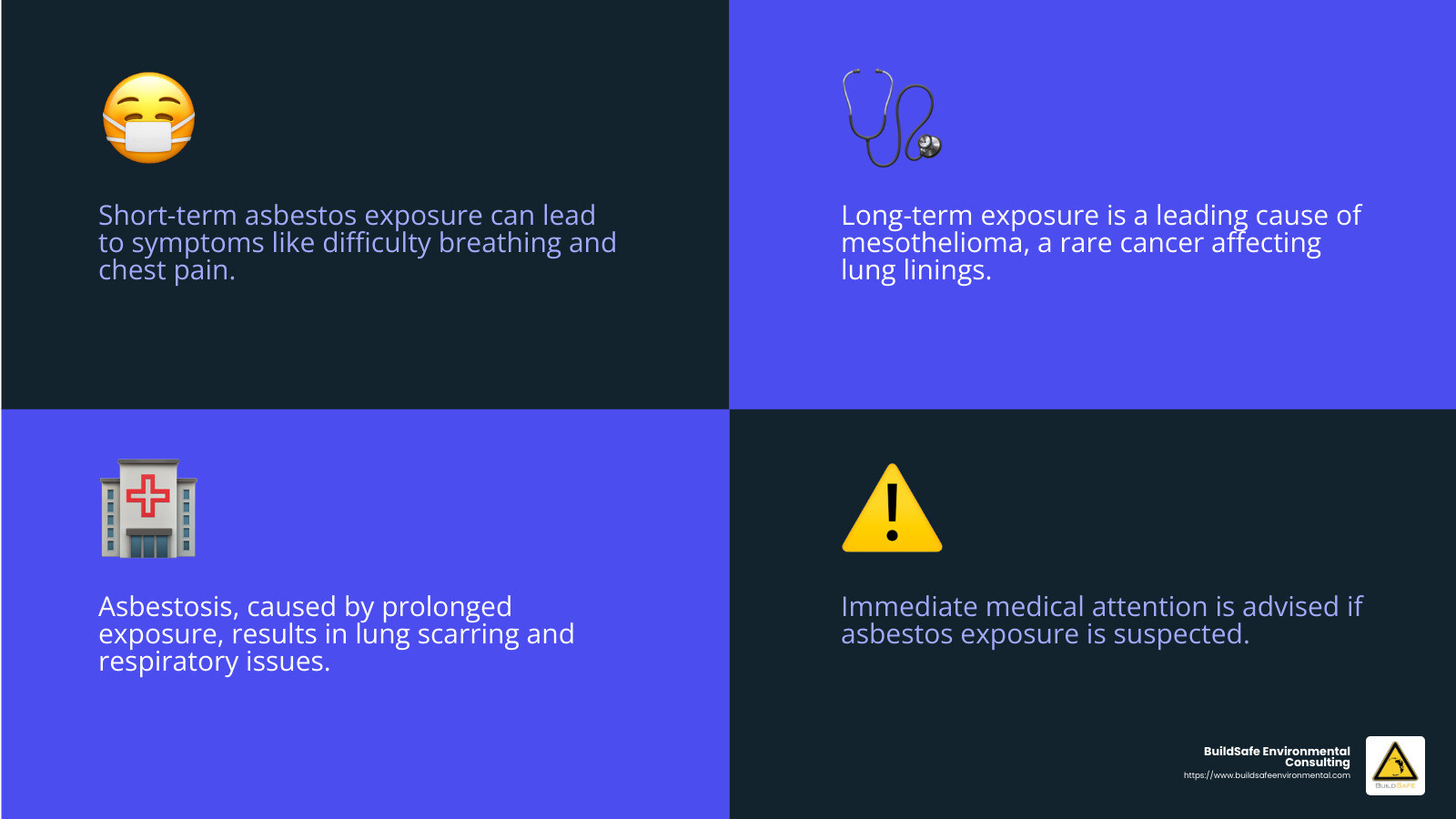
Even brief exposure to airborne asbestos fibers can lead to immediate health issues. Symptoms of short-term exposure include difficulty breathing, hoarseness, and wheezing. You might also experience a long-lasting dry cough, chest pain, or tightness. Other symptoms could include fatigue, anemia, and swelling in the face or neck. These symptoms can be alarming and should prompt immediate medical attention if asbestos exposure is suspected.
Long-Term Exposure
The real danger of asbestos lies in long-term exposure. Asbestos fibers can accumulate in the lungs over time, leading to severe health conditions. One of the most serious risks is lung cancer. Mesothelioma, a rare form of cancer affecting the lining of the lungs or abdomen, is almost exclusively caused by asbestos exposure. Other cancers linked to asbestos include ovarian and laryngeal cancer.
Long-term exposure can also lead to asbestosis, a chronic lung disease that causes scarring of lung tissue. This scarring can lead to severe respiratory issues and even heart failure. Pleural thickening and effusion are other conditions that can arise, reducing lung function and causing significant discomfort.
Respiratory Issues
Asbestos fibers are particularly harmful because they are easily inhaled and can become lodged in lung tissue. This can cause a range of respiratory issues, from chronic coughing to more serious complications like pleural plaques and pleural effusion. Over time, these issues can severely impact quality of life and lead to decreased lung capacity.
Cancer Risks
The cancer risks associated with asbestos are well-documented and significant. Asbestos is classified as a known human carcinogen by health organizations worldwide. The latency period for asbestos-related cancers can be long, often taking 20 to 60 years to manifest. This means that individuals exposed to asbestos may not see symptoms until the disease is advanced and harder to treat.
In summary, the health implications of asbestos exposure are severe and wide-ranging. From immediate respiratory symptoms to long-term cancer risks, the dangers underscore the need for regular asbestos air testing. By identifying and mitigating asbestos risks early, you can protect yourself and others from these serious health outcomes.
Next, we’ll explore the costs and procedures associated with asbestos air testing, providing guidance on what to expect during the process.
Cost and Procedures of Asbestos Air Testing
When it comes to asbestos air testing, understanding the costs and procedures involved can help you plan effectively. Whether you’re dealing with a renovation, demolition, or just concerned about potential asbestos exposure, here’s what you need to know.
Testing Costs
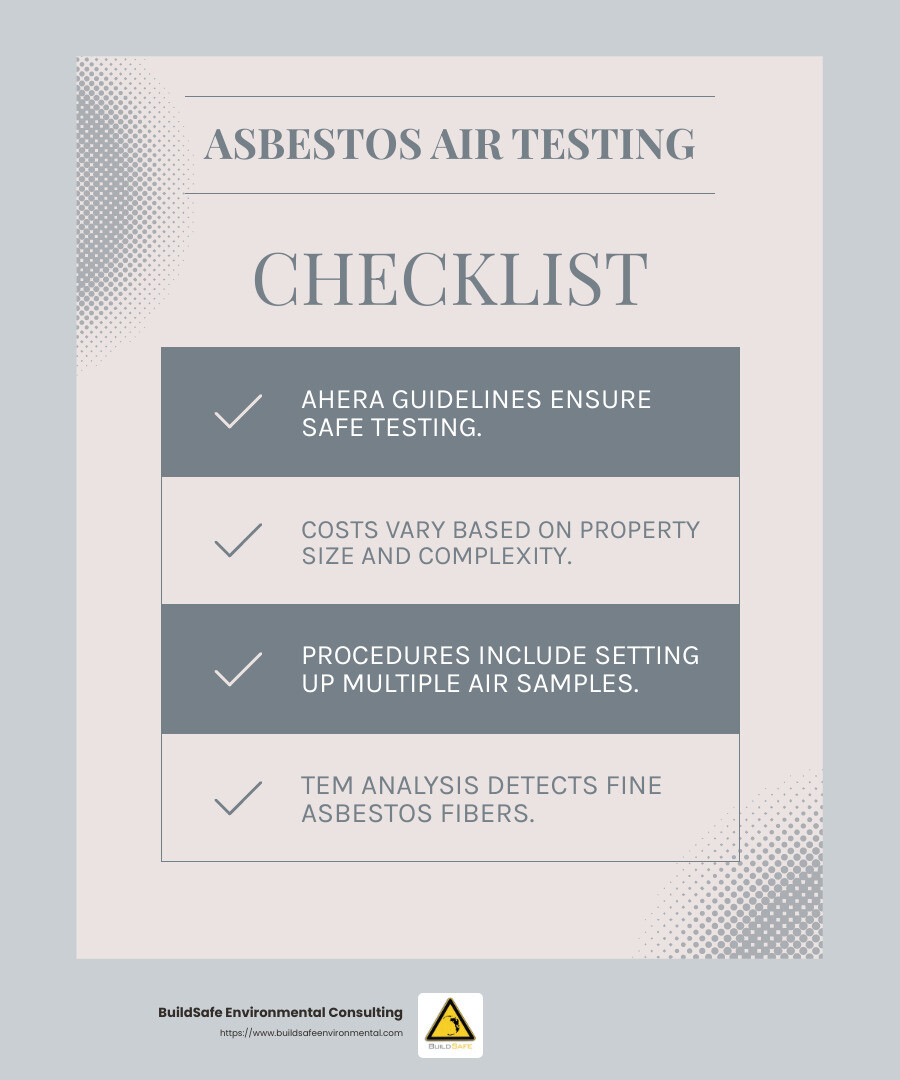
The cost of asbestos air testing can vary based on several factors. For example, a basic AHERA air clearance test might cost around $1,200. This fee typically includes travel to the job site, setting up air sampling pumps, and conducting lab analysis using Transmission Electron Microscopy (TEM).
Additional samples or expedited reporting may incur extra charges. The price can also differ based on the size of the property, the number of samples needed, and the complexity of the situation.
Sampling Procedures
The procedure for asbestos air testing is thorough and detailed. It usually involves setting up multiple air samples, both indoors and outdoors, to get a baseline reading. For instance, a typical setup might include five indoor samples and one outdoor sample to correct the baseline.
During the testing, dust in the area is agitated using tools like electric leaf blowers and box fans. This ensures that any asbestos fibers present are kept airborne for accurate measurement. The samples are then collected over an eight-hour period, ensuring comprehensive data collection.
AHERA Guidelines
The Asbestos Hazard Emergency Response Act (AHERA) provides guidelines that are critical to the testing process. These guidelines ensure that the testing is conducted safely and effectively. The AHERA guidelines are particularly important for ensuring that asbestos levels are within safe limits after abatement projects.
The AHERA clearance method involves analyzing the collected air samples using TEM. This method is preferred because it can detect even very fine asbestos fibers, offering a precise assessment of any potential hazards.
In summary, while the costs of asbestos air testing can vary, the procedures are designed to ensure safety and accuracy. By following AHERA guidelines and using precise sampling methods, you can effectively assess and manage asbestos risks.
Next, we’ll address some frequently asked questions about asbestos air testing to further clarify this important process.
Frequently Asked Questions about Asbestos Air Testing
Can you test for asbestos exposure yourself?
No, you cannot test for asbestos exposure on your own. Asbestos-related diseases can be tricky to diagnose because their symptoms often mimic other respiratory conditions. To accurately determine exposure, doctors perform multiple clinical tests such as pulmonary function tests, chest radiographs, and CT scans. These tests help identify any abnormalities related to asbestos exposure. It’s important to consult with a healthcare professional if you suspect you’ve been exposed to asbestos.
What are the air sampling limits for asbestos?
The Occupational Safety and Health Administration (OSHA) has set specific air sampling limits to protect individuals from asbestos exposure. Permissible Exposure Limits (PEL) include:
- Time Weighted Average (TWA): 0.1 fiber per cubic centimeter (fiber/cc)
- Excursion Limit (30 minutes): 1.0 fiber/cc
These limits are crucial in ensuring that asbestos levels in the air remain at a safe level. Air sampling for asbestos typically involves collecting samples at a rate of 0.5 to 5.0 liters per minute, with recommended air volumes between 25 liters and 2,400 liters. These limits help maintain air quality and prevent health risks associated with asbestos.
How does asbestos affect air quality?
Asbestos fibers are microscopic and can remain airborne for days, especially in poorly ventilated areas. When these fibers are disturbed, they become airborne and can easily be inhaled, posing serious health risks. Once inhaled, asbestos fibers can lodge in the lungs, leading to respiratory issues and diseases such as asbestosis, lung cancer, and mesothelioma over time.
The presence of asbestos in the air can significantly degrade air quality. Testing is vital to identify these fibers and ensure that air quality remains safe. By conducting regular asbestos air testing, you can detect and address any potential hazards, ensuring a healthier environment for everyone involved.
Next, we’ll conclude with how BuildSafe Environmental Consulting can support you in maintaining safety compliance and providing reliable service.
Conclusion
At BuildSafe Environmental Consulting, our mission is to ensure your environment is safe and compliant with all safety regulations. We understand the importance of maintaining healthy air quality, especially when it comes to asbestos. Our team is here to help you steer the complexities of asbestos air testing with ease and confidence.
Safety Compliance is at the heart of what we do. We follow all federal and state guidelines to ensure that your property meets the required safety standards. Whether you’re dealing with a renovation, demolition, or simply want peace of mind, our thorough asbestos testing services are designed to keep you compliant and safe.
Reliable Service is our promise to you. With locations in Denver, Longmont, and Fort Collins, Colorado, we provide fast and efficient service to meet your needs. Our team of certified experts handles everything from initial assessments to post-abatement clearance testing, ensuring that every step of the process is handled with precision and care.
Partnering with us means you can move forward with confidence, knowing that your air quality is in good hands. Our commitment to safety and reliability makes us the trusted choice for environmental consulting.
For more detailed information about our services, visit our asbestos testing service page. Let us help you clear the air and safeguard your environment today.